

Applying dormant oil on quince trees is essential for protecting them from pests and diseases during the winter months. This practice promotes healthy growth and prepares the trees for the upcoming growing season. Proper timing and application techniques are crucial for maximizing effectiveness.
Dormant Oil Advantages for Quince Tree Health
Dormant oil is a horticultural oil that helps control overwintering pests and diseases on quince trees. It suffocates insects and their eggs, preventing infestations in the spring. Using dormant oil also protects the tree’s bark and foliage from harmful pathogens, ensuring a healthier tree. Proper application can lead to improved fruit yield and overall tree vitality.
Dormant Oil Components for Quince Trees
Understanding the components of dormant oil is vital for effective use. Most dormant oils contain mineral oil or vegetable oil, which are refined to eliminate impurities. These oils are designed to coat the tree’s surfaces without harming beneficial insects when applied correctly. The formulation can vary, so choosing a high-quality product is important for optimal results.
| Ingredient Type | Description | Benefits |
|---|---|---|
| Mineral Oil | Refined oil derived from petroleum | Effective against pests |
| Vegetable Oil | Plant-based oil | Environmentally friendly option |
| Additives | Emulsifiers or surfactants | Enhance spreading and sticking |
Optimal Timing for Quince Dormant Oil Application
The timing of dormant oil application is critical for effectiveness. The best time to apply is during the dormant season, typically late winter or early spring before buds swell. This timing ensures that pests are still inactive and minimizes the risk of harming new growth. Monitoring weather conditions is essential to avoid applying during freezing temperatures.
Effective Dormant Oil Application for Quince Trees
Applying dormant oil effectively is crucial for the health of quince trees, as it helps control pests and diseases during their inactive phase. This section outlines best practices for timing, application methods, and environmental considerations to ensure optimal results. Proper application not only protects the trees but also promotes vigorous growth in the upcoming growing season.
Follow these steps to ensure a successful dormant oil application on quince trees. Proper preparation and technique will maximize the benefits.
Choose a calm day with temperatures above 40°F.
Prepare the mixture according to the manufacturer’s instructions.
Use a sprayer to evenly coat the tree’s branches and trunk.
Ensure thorough coverage of all surfaces, including the undersides of leaves.
Avoid applying during windy conditions to prevent drift.
Quince Tree Dormant Oil Application Errors
Applying dormant oil to quince trees can be a delicate process, and mistakes can lead to ineffective pest control or even harm to the tree. Understanding common application errors is crucial for ensuring the health and vitality of your quince trees. This section will outline the most frequent pitfalls gardeners encounter when using dormant oil.
Many gardeners make mistakes that can compromise the effectiveness of dormant oil. Identifying these errors can save time and resources. Here are some common pitfalls to avoid.
Applying too late in the season when buds are swelling
Using an incorrect mixture that is too concentrated
Neglecting to cover all surfaces, allowing pests to survive
Ignoring weather conditions that can affect application
Recommended Products

USE YEAR ROUND - Our 3-in-1 product provides year-round protection against insects, mites, and diseases. Can be used at the dormant stage, green tip stage, delayed dormant stage, and during the growing season to prevent pest infestations and disease.
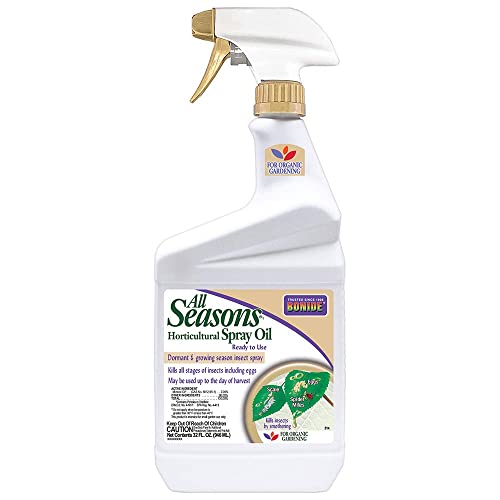
Control insects and diseases in your home garden with All Seasons Horticultural and Dormant Spray Oil Concentrate; use year-round to control listed insects and diseases
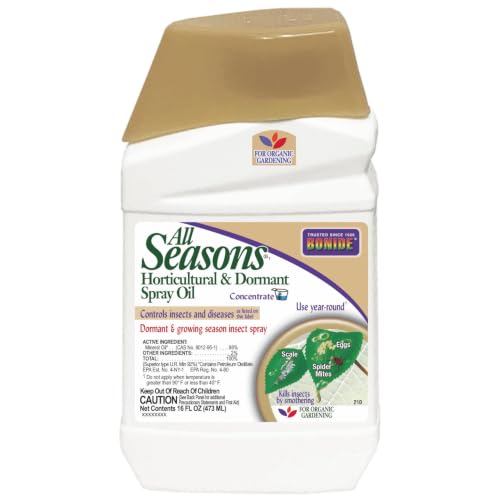
Control insects & diseases in your home garden with All Seasons Horticultural & Dormant Spray Oil Concentrate; use year-round to control listed insects and diseases
Dormant Oil Application Troubleshooting for Quince Trees
Applying dormant oil to quince trees can be a crucial step in promoting healthy growth and preventing pest infestations. However, issues may arise during application that can hinder effectiveness. This section addresses common troubleshooting concerns to ensure optimal results when using dormant oil on quince trees.
If you encounter problems after applying dormant oil, addressing them quickly is essential. Common issues include poor pest control or damage to the tree. Here are steps to troubleshoot.
Inspect the tree for any signs of pests or damage.
Evaluate the application technique for thoroughness.
Consider reapplying if conditions were not optimal during initial application.
Consult a local extension service for specific advice tailored to your region.
Essential Maintenance Tips for Quince Trees
Maintaining quince trees is crucial for their health and productivity. This section outlines essential maintenance tips that will help ensure your trees thrive, focusing on practices that promote robust growth and fruit quality. By following these guidelines, you can cultivate a vibrant quince orchard that yields a bountiful harvest.
Beyond dormant oil, additional care is necessary for healthy quince trees. Regular maintenance practices can enhance growth and fruit production. Here are some essential care tips.
Prune trees during dormancy to remove dead or diseased wood.
Fertilize in early spring with a balanced fertilizer to promote growth.
Water adequately during dry spells, especially during fruit development.
Monitor for signs of pests or diseases throughout the growing season.
| Care Practice | Timing | Purpose |
|---|---|---|
| Pruning | Late winter | Remove dead wood |
| Fertilizing | Early spring | Promote growth |
| Watering | As needed | Support fruit development |
Best Practices for Applying Dormant Oil on Quince Trees
Applying dormant oil is a crucial step in maintaining healthy quince trees. Following the recommended practices ensures effective pest control and prepares the trees for a productive growing season. Regular monitoring and additional care will further enhance the health and yield of your quince trees.
