

Spraying dormant oil on plum trees is essential for controlling pests and diseases during the winter months. The optimal time for application is late winter to early spring, just before bud break, when trees are still dormant.
Dormant Oil Application Benefits for Plum Trees
Dormant oil is a refined petroleum product that suffocates overwintering pests and their eggs. It also helps manage fungal diseases by creating a barrier on the tree’s surface. Applying dormant oil at the right time maximizes its effectiveness and minimizes harm to beneficial insects.
Recommended Products
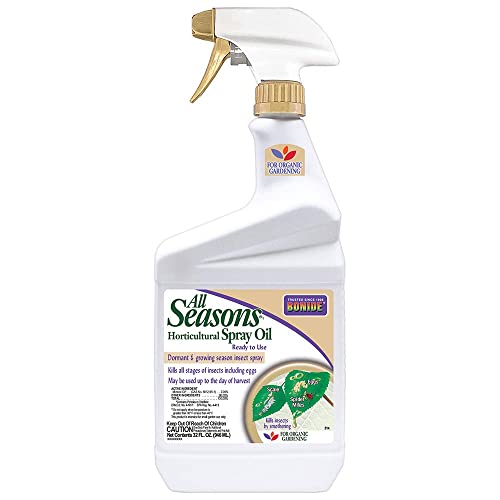
Control insects and diseases in your home garden with All Seasons Horticultural and Dormant Spray Oil Concentrate; use year-round to control listed insects and diseases

USE YEAR ROUND - Our 3-in-1 product provides year-round protection against insects, mites, and diseases. Can be used at the dormant stage, green tip stage, delayed dormant stage, and during the growing season to prevent pest infestations and disease.
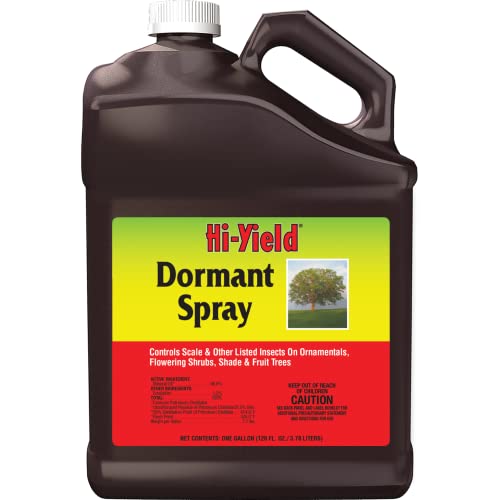
Controls a variety of Scale, Mites, Fruit Tree Leaf Rollers, Pear Psylla, Fall Armyworms, and Whiteflies
Optimal Dormant Oil Timing for Plum Trees
The best timing for spraying dormant oil on plum trees is crucial for achieving optimal results. Late winter to early spring is ideal, specifically when temperatures are consistently above freezing but before buds begin to swell. This timing ensures that pests are effectively targeted while minimizing the risk of harming beneficial insects that emerge later.
| Time Frame | Temperature Range | Pest Activity |
|---|---|---|
| Late Winter | 40°F – 60°F | Low |
| Early Spring | 50°F – 70°F | Moderate |
| Pre-Bud Break | 40°F – 60°F | High |
Essential Preparations for Dormant Oil Application
Applying dormant oil to plum trees requires careful preparation to ensure effectiveness and tree health. Understanding the right timing and conditions for application is crucial, as well as knowing how to properly mix and apply the oil. This section outlines the essential steps to take before spraying dormant oil, setting the stage for successful pest management and disease prevention.
Preparation is key to a successful dormant oil application. Gather all necessary materials and ensure the weather conditions are suitable. Windy or rainy days can dilute the oil or cause uneven application.
Choose the Right Product
Select a high-quality dormant oil specifically designed for fruit trees.Check the Weather
Ensure temperatures are above 40°F and no rain is expected for at least 24 hours post-application.Wear Protective Gear
Use gloves, goggles, and a mask to protect yourself from inhaling the oil.
Dormant Oil Application Techniques
Applying dormant oil to plum trees is a crucial step in pest management and overall tree health. Understanding the right techniques for application can significantly enhance effectiveness while minimizing potential harm to beneficial insects. This section will explore the best practices for using dormant oil, ensuring your plum trees thrive through the seasons.
Executing the application correctly is vital for effectiveness. Follow these steps to ensure thorough coverage.
Mix the Solution
Follow the manufacturer’s instructions for dilution rates.Use a Sprayer
A pump sprayer or backpack sprayer provides even coverage.Cover All Surfaces
Spray the entire tree, including the trunk, branches, and undersides of leaves.
Common Mistakes to Avoid
Applying dormant oil to plum trees can significantly enhance their health and productivity, but several common mistakes can undermine these benefits. Understanding these pitfalls is essential for ensuring effective application and maximizing the advantages of dormant oil. By avoiding these errors, you can promote a thriving environment for your plum trees.
Avoiding common pitfalls can enhance the effectiveness of dormant oil applications.
Ignoring Weather Conditions
Spraying during rain or high winds can lead to ineffective treatment.Inadequate Coverage
Failing to cover all surfaces leaves some pests unaddressed.Over-application
Excessive oil can harm the tree and beneficial insects.
Post-Application Monitoring for Dormant Oil
After applying dormant oil to plum trees, careful monitoring is essential to ensure the treatment’s effectiveness. Observing the trees for signs of pest activity or adverse reactions will help determine if the application was successful. This section outlines key indicators to watch for and best practices for maintaining tree health following the treatment.
Post-application monitoring is essential to assess the effectiveness of the treatment. Check for signs of pest activity or disease after a few weeks.
Look for pest resurgence on leaves and branches.
Monitor for fungal infections that may develop despite treatment.
Complementary Treatments for Plum Tree Health
Maintaining the health of plum trees involves more than just applying dormant oil. Complementary treatments play a crucial role in enhancing tree vitality and preventing pests and diseases. Understanding these additional care strategies can significantly improve the overall resilience and productivity of your plum trees.
In addition to dormant oil, consider other treatments to maintain tree health.
Fertilization
Apply a balanced fertilizer in early spring to promote healthy growth.Pruning
Remove dead or diseased branches to improve air circulation and light penetration.Mulching
Apply organic mulch around the base to retain moisture and suppress weeds.
Optimal Timing for Dormant Oil Application
Understanding the optimal timing for applying dormant oil to plum trees is crucial for effective pest management and overall tree health. This section explores the best periods for application, taking into account seasonal changes and specific growth stages. By following these guidelines, you can enhance the efficacy of your dormant oil treatment and protect your plum trees from potential threats.
Timing and technique are critical for successful dormant oil application on plum trees. Proper preparation and monitoring can significantly enhance tree health and productivity. Always adhere to recommended practices to ensure the best outcomes for your plum trees.
