

Using dormant oil on pear trees effectively protects them from pests and diseases during the winter months. This oil acts as a barrier, suffocating insects and preventing fungal infections, ensuring healthier trees come spring.
Dormant Oil Advantages for Healthy Pear Trees
Dormant oil is a horticultural oil that plays a crucial role in maintaining the health of pear trees. It works by smothering overwintering pests and their eggs, which can cause significant damage in the growing season. Applying this oil during dormancy helps create a protective layer that enhances tree vigor and fruit quality.
Recommended Products
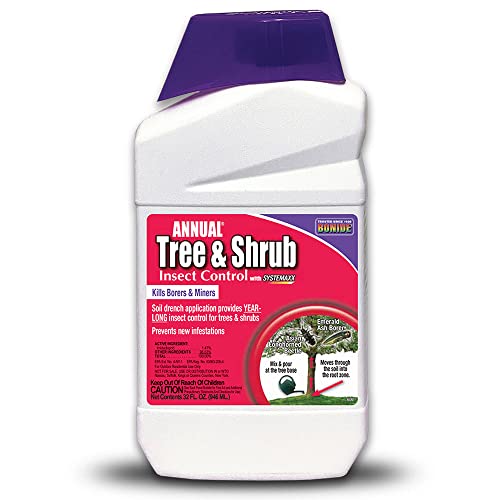
Kill borers, miners and more in your lawn and garden with Annual Tree & Shrub Insect Control Concentrate with Systemaxx from Bonide

【FAST ACTION & THOROUGH KILL】: EcoVenger's Ready-to-use plant bug spray is designed for most grown plants, instantly targeting and wiping out horticultural insects on contact—perfect for both outdoor and indoor plants. For delicate and newly sprouted plant parts, simply dilute with water according to the label instructions.

12 MONTH PROTECTION: With just one application, kills listed insects and prevents new infestations for up to a year
Dormant Oil Components for Effective Pest Control
Understanding the components of dormant oil is essential for effective pest control in pear trees. This section delves into the specific ingredients that make dormant oil a powerful tool in managing pests during the dormant season, ensuring your home orchard remains healthy and productive. By exploring these components, you can better protect your trees from harmful infestations.
Understanding the components of dormant oil is essential for effective use. Most dormant oils are made from mineral oil or plant oils, which are refined to remove impurities. These oils are effective against various pests, including:
Aphids
Spider mites
Scale insects
Choosing the right type of dormant oil ensures optimal results.
Optimal Timing for Dormant Oil Application
Applying dormant oil to pear trees is crucial for maintaining a healthy home orchard. Timing the application correctly can significantly enhance its effectiveness in controlling pests and diseases. Understanding the optimal windows for treatment will help ensure that your trees receive the best protection during their dormant period.
The timing of dormant oil application is critical for success. Apply the oil when temperatures are consistently above freezing, typically late winter to early spring. The ideal conditions include:
No rain forecasted for 24 hours
Calm winds to prevent drift
Trees in a dormant state
Applying during the right window maximizes the oil’s effectiveness against pests.
Dormant Oil Application Techniques for Pear Trees
Applying dormant oil to pear trees is a crucial step in maintaining a healthy home orchard. This technique helps control pests and diseases during the tree’s dormant season, ensuring robust growth and fruit production. Understanding the proper application methods will maximize the effectiveness of dormant oil, leading to a thriving pear harvest.
Follow these steps to apply dormant oil effectively on your pear trees:
Select the Right Oil
Choose a high-quality dormant oil suitable for fruit trees.Prepare the Equipment
Use a sprayer with a fine mist nozzle to ensure even coverage.Mix the Oil
Follow the manufacturer’s instructions for dilution ratios.Apply Evenly
Spray the oil on all tree surfaces, including branches and the trunk.Monitor Weather Conditions
Ensure the weather remains dry for at least 24 hours post-application.
| Step | Action | Description |
|---|---|---|
| 1 | Select | Choose suitable dormant oil |
| 2 | Prepare | Use appropriate sprayer |
| 3 | Mix | Follow dilution instructions |
| 4 | Apply | Cover all tree surfaces |
| 5 | Monitor | Check weather for dryness |
Common Mistakes to Avoid
When caring for pear trees, applying dormant oil can significantly enhance their health and productivity. However, many gardeners make common mistakes that can undermine these benefits. Understanding these pitfalls is essential for ensuring the effective use of dormant oil in your home orchard.
Avoiding common pitfalls can enhance the effectiveness of dormant oil applications. Key mistakes include:
Applying Too Early
Early applications can harm beneficial insects and lead to ineffective pest control.Ignoring Dilution Ratios
Using too concentrated a solution can damage tree foliage.Neglecting Coverage
Inadequate coverage may leave pests unaddressed, allowing them to multiply.
Dormant Oil Environmental Impact Factors
Understanding the environmental impact factors of dormant oil is crucial for maintaining a healthy home orchard, particularly for pear trees. These factors not only influence the effectiveness of pest control but also play a significant role in the overall health of the ecosystem surrounding your fruit trees. By considering these elements, you can make informed decisions that benefit both your orchard and the environment.
When using dormant oil, consider its environmental impact. Opt for organic or biodegradable oils to minimize harm to beneficial insects and the surrounding ecosystem. Always read labels for safety instructions and environmental guidelines.
Post-Application Health Monitoring for Pear Trees
Monitoring the health of pear trees after applying dormant oil is crucial for ensuring their vitality and productivity. This section delves into effective strategies and indicators to assess the trees’ condition, helping you identify any potential issues early on. By staying vigilant, you can maintain a thriving home orchard and promote the overall well-being of your pear trees.
After applying dormant oil, monitor your pear trees for signs of improvement or issues. Look for:
Increased leaf vitality
Healthy fruit set in spring
Absence of pest activity
Regular checks can help you adjust future applications for better results.
Final Thoughts on Dormant Oil Use
Proper use of dormant oil can significantly enhance the health of your pear trees. Following the outlined steps and avoiding common mistakes will lead to a flourishing orchard. Regular monitoring ensures that your trees remain pest-free and productive throughout the growing season.
