

Are you dreaming of a backyard filled with fresh, juicy fruit? In East Texas, the right fruit trees can turn that dream into reality. With its warm climate and rich soil, this region offers a perfect environment for a variety of fruit-bearing trees.
But with so many options out there, how do you choose the best ones for your space? This article will guide you through the top fruit trees that thrive in East Texas, helping you make informed decisions. Whether you’re a seasoned gardener or just starting out, you’ll discover the best choices to enjoy homegrown fruit for years to come.
Key Takeaways
- Ideal Fruit Trees for East Texas: Popular fruit trees that thrive in the region include peach (‘Georgia Belle’, ‘Elberta’), apple (‘Granny Smith’, ‘Fuji’), fig (‘Celeste’, ‘Kadota’), and citrus varieties (oranges, lemons).
- Site Selection and Soil Preparation: Choose locations with 6-8 hours of sunlight and well-drained, fertile soil. Regular soil testing ensures proper pH levels for optimal growth.
- Regular Watering and Care: Young trees need consistent watering during their first year, while mature trees require less frequent watering based on rainfall.
- Pruning and Maintenance: Annual pruning is essential for healthy growth and productivity. Remove dead branches and encourage airflow within the tree.
- Time to Fruit Production: Most fruit trees typically begin to yield fruit within 3 to 5 years, depending on the variety and care provided.
- Protecting Trees from Frost: Use frost cloths for young trees during cold snaps and apply mulch to insulate roots. Proper timing for planting in early spring or fall enhances growth success.
Growing Fruit Trees in East Texas
Growing fruit trees in East Texas offers a rewarding experience. The region’s warm climate and fertile soil create the perfect environment for various fruit trees. Below are some popular options and tips for successful cultivation.
Recommended Products


Suitable for various USDA Hardiness Zones (3-8), making it adaptable to different climates and regions.
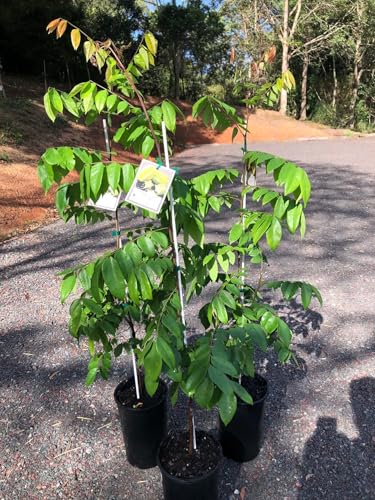
Starfruit Tree Live Carambola Tree You will receive the tree, no the fruit
Recommended Fruit Trees
- Peach Trees: Peaches thrive in East Texas. Varieties like ‘Georgia Belle’ and ‘Elberta’ produce sweet, juicy fruit. Choose a sunny location with well-drained soil.
- Apple Trees: Apple trees, such as ‘Granny Smith’ and ‘Fuji,’ grow well in this region. A mix of varieties promotes better pollination. Fertile, slightly acidic soil benefits apple trees.
- Fig Trees: Fig trees, including ‘Celeste’ and ‘Kadota,’ adapt easily to East Texas. They prefer full sun and require minimal care once established.
- Pecan Trees: Pecan trees, native to Texas, yield valuable nuts. Plant in well-drained, deep soils. They grow best in open areas with ample sunlight.
- Citrus Trees: Citrus varieties like oranges, lemons, and satsumas flourish in East Texas. Use containers for younger trees to protect them during colder months.
Planting Tips
- Site Selection: Choose locations with six to eight hours of sunlight daily. Avoid low-lying areas prone to frost or pooling water.
- Soil Preparation: Test soil pH and nutrients. Amend with organic matter, like compost, if needed. This promotes healthy root development.
- Watering: Water young trees regularly during their first year. Well-drained soil prevents root rot while maintaining moisture.
Care and Maintenance
- Pruning: Prune fruit trees annually to encourage healthy growth and productivity. Remove dead or crossing branches to improve airflow.
- Fertilizing: Apply balanced fertilizers in early spring. Follow product instructions for specific amounts and frequencies.
- Pest Management: Monitor for pests such as aphids and scales. Use organic pesticides or introduce beneficial insects, like ladybugs, to manage infestations.
- When’s the Best Time to Plant? Plant fruit trees in early spring or fall for optimal growth.
- How Long Before Trees Produce Fruit? Trees typically yield fruit within three to five years, depending on the species and care provided.
- How Do I Protect Trees from Frost? Cover young trees with frost cloth on chilly nights. Mulching helps insulate roots.
Growing fruit trees in East Texas invites satisfaction and fresh produce into your garden. Selecting suitable varieties and providing proper care ensures long-term success in cultivating your own delicious harvest.
Climate Considerations
East Texas features a warm climate, making it suitable for various fruit trees. Understanding specific climate factors ensures successful fruit production.
Temperature Ranges
East Texas experiences average winter temperatures between 30°F and 50°F. This range supports the growth of many fruit trees. Most fruit trees thrive in temperatures between 60°F and 80°F during the growing season. Protecting trees from late spring frosts remains essential, as they can harm young blooms. For example, peach trees benefit from early spring warmth but need shielding from unexpected cold snaps.
Precipitation Levels
East Texas receives 40 to 50 inches of rainfall annually. Regular rainfall contributes to healthy fruit tree growth. However, maintaining proper drainage is crucial to avoid waterlogging. During periods of drought, ensure adequate watering, especially for young trees. Implementing drip irrigation can efficiently provide moisture without overwatering. Combining these strategies creates optimal conditions for fruit trees to flourish.
Best Fruit Trees for East Texas
East Texas offers a wonderful opportunity for growing a variety of fruit trees. Here’s a closer look at some of the best options that thrive in the region.
Recommended Products

Garden Adaptability: Suitable for various garden spaces and container growing; Different varieties thrive in USDA zones 3-9; Includes both sun-loving and partial shade tolerant plants

Multi-Variety Seeds: Contains lemon, apple, blueberry, orange, and cherry seeds, totaling over 150 seeds.

Apple Trees
Apple trees, like ‘Granny Smith’ and ‘Fuji,’ thrive in East Texas. They prefer full sun and well-drained soil. Plant them in early spring for best results. Water regularly, especially during dry spells, to ensure healthy growth. For maximum yield, consider cross-pollination by planting two or more varieties.
Peach Trees
Peach trees, such as ‘Georgia Belle’ and ‘Elberta,’ flourish in East Texas’ warm climate. They need full sunlight and can tolerate various soil types, although sandy loam works best. Plant these trees in early spring and provide adequate watering for optimal fruit production. Pruning in late winter promotes healthier blooms.
Fig Trees
Fig trees, particularly ‘Celeste’ and ‘Kadota,’ excel in the East Texas environment. They thrive in full sun and require good drainage. Plant in spring or fall and ensure consistent moisture. Mulching helps retain soil moisture, benefiting fruit development. A mature fig tree can produce multiple crops each year.
Persimmon Trees
Persimmon trees are another excellent choice for East Texas. The ‘Fuyu’ variety is particularly popular due to its sweet flavor. They require well-drained soil and full sun. Planting in early spring allows for strong growth. Once established, persimmon trees need minimal care and water.
Pomegranate Trees
Pomegranate trees succeed in hot, sunny conditions found in East Texas. Varieties like ‘Wonderful’ produce sweet, tangy fruit. Plant them in well-drained soil, ideally in spring. Regular watering during the hot summer months promotes healthy ripening. In November, prune dead or weak branches for enhanced growth in the next season.
Planting and Care Tips
Follow these essential tips for planting and caring for your fruit trees to ensure thriving growth in East Texas.
Recommended Products

KNOW BEFORE YOU GROW | Grow the healthiest, sustainable lawn and garden with the most accurate and easy to use professional soil test kit on the market

Accurate Soil pH Testing: Dewildetradingco Soil pH Test Strips offer measurements of soil pH levels (pH 3.5-9). As an essential tool for every gardener and grower, these test strips help determine the optimal pH for various plants, such as outdoor plants, indoor plants, gardens, grass lawns, fruit trees, flowers, vegetables, and forest shrubs.

Kindly NOTE: This soil tester can not be applied to test pH value of any other liquid. If the soil is too dry the indicator will not move, and water it before testing.
Soil Preparation
Choose well-draining soil rich in organic matter. Test the pH of your soil; most fruit trees prefer a range of 6.0 to 6.8. Amend heavy clay soil with compost to improve drainage. Dig a hole twice as wide as the root ball but no deeper than the root crown. Loosen the edges of the hole to encourage root growth. Incorporate compost into the soil removed from the hole before planting the tree.
Watering Guidelines
Water your newly planted trees deeply to establish a strong root system. Apply water every 7 to 10 days during the first growing season, adjusting for rainfall. Aim for about 1 to 2 inches of water weekly. Use mulch around the base of the tree to retain moisture and suppress weeds. As trees mature, reduce watering to once every 2 to 4 weeks depending on rainfall. Monitor the soil moisture by checking the top 2 inches; if it feels dry, it’s time to water.
Pruning Techniques
Prune your trees in late winter while they’re still dormant. Focus on removing dead or diseased branches and any that cross each other. Aim for an open center to allow sunlight penetration and air circulation. For peach and apple trees, selective thinning of branches encourages fruit production. Make clean cuts at a 45-degree angle near the branch collar. For young trees, look to shape the tree and promote branching with light pruning.
Conclusion
Growing fruit trees in East Texas can be a rewarding journey. With the right choices and care you can enjoy fresh, homegrown fruit right from your backyard.
Remember to consider the unique climate and soil conditions of your area when selecting your trees. Whether you go for peaches apples or figs each variety brings its own joys and challenges.
Stay committed to proper maintenance and you’ll soon see the fruits of your labor. So grab your gardening gloves and get ready to create a thriving fruit garden that you and your family can enjoy for years to come!
Frequently Asked Questions
What fruit trees grow well in East Texas?
Several fruit trees thrive in East Texas, including peach trees (like ‘Georgia Belle’ and ‘Elberta’), apple trees (such as ‘Granny Smith’ and ‘Fuji’), fig trees (like ‘Celeste’ and ‘Kadota’), pecan trees, and citrus trees. These varieties are well-suited to the region’s warm climate and rich soil.
When is the best time to plant fruit trees in East Texas?
The best time to plant fruit trees in East Texas is during the late winter or early spring. This allows trees to establish roots before the warmer growing season begins and aids in their growth and fruit production.
How long does it take for fruit trees to produce fruit?
Fruit trees generally take about 2 to 4 years to produce fruit after planting, depending on the type of tree. For instance, peach trees often bear fruit within 3 years, while apples may take a bit longer.
How can I protect my fruit trees from frost?
To protect fruit trees from frost, cover them with frost blankets during cold nights, especially in late spring. Additionally, consider planting trees in sheltered areas and using mulch to retain heat in the soil.
What type of soil is best for fruit trees in East Texas?
Fruit trees thrive best in well-draining soil rich in organic matter. Testing the pH is also essential, as most fruit trees prefer slightly acidic to neutral soil conditions.
How often should I water my fruit trees?
Water fruit trees deeply every 7 to 10 days during the first growing season. Make sure to adjust the frequency based on rainfall and use mulch to help retain moisture in the soil.
Do I need to prune my fruit trees?
Yes, pruning is important for maintaining the health and productivity of fruit trees. Late winter is the best time to prune, as it helps remove dead branches and promotes healthy growth for the upcoming season.
What are common pests that affect fruit trees in East Texas?
Common pests that affect fruit trees in East Texas include aphids, spider mites, and fruit tree borers. Regular monitoring and proper pest management strategies, like introducing beneficial insects, can help control these issues.
How much sunlight do fruit trees need in East Texas?
Most fruit trees require full sun, which means they need at least 6 to 8 hours of sunlight each day. Choosing a sunny location will help ensure optimal growth and fruit production.
