

Have you ever wondered if you should fertilize your fruit trees while they’re in bloom? It’s a common dilemma for gardeners eager to boost their harvest. You might be excited about those vibrant flowers but unsure whether adding fertilizer will help or hurt your trees.
In this article, you’ll discover the best practices for fertilizing during the flowering stage. You’ll learn about the right timing and types of fertilizers to use, ensuring your trees thrive without compromising their blossoms. By the end, you’ll feel confident in nurturing your fruit trees for a bountiful season ahead.
Key Takeaways
- Fertilizing Timing: Apply fertilizers before flowering begins to avoid disrupting the flowering process; early spring is ideal when buds start swelling.
- Nutrient Requirements: Focus on a balanced approach: nitrogen for foliage, phosphorus for blooms, and potassium for fruit quality during the flowering stage.
- Fertilizer Types: Choose from balanced, slow-release, organic, or flowering-specific fertilizers, with attention to phosphorus-rich options for blooming support.
- Application Precautions: Follow recommended application rates meticulously to prevent over-fertilization and nutrient imbalances that can harm fruit trees.
- Signs of Nutrient Deficiency: Look for yellow leaves, poor flowering, stunted growth, and excessive leaf drop as indicators that your trees may need additional nutrients.
- Soil Testing: Conduct regular soil tests to assess nutrient levels and tailor your fertilization efforts to meet the specific needs of your fruit trees.
Understanding Fruit Trees and Their Growth Stages
Fruit trees undergo various growth stages, each requiring different care and attention. Recognizing these stages helps you provide the right nutrients at the right time for optimal growth.
The Importance of Flowering in Fruit Trees
Flowering is essential for fruit development. During this stage, trees produce blossoms, which attract pollinators. Successful pollination leads to the formation of fruit. Adequate nutrient support during this period enhances flower quantity and quality. Your trees need energy to produce blooms, which ultimately impacts your harvest.
Nutrient Needs During Flowering
Fruit trees require specific nutrients while flowering. Nitrogen supports healthy growth, while phosphorus promotes strong root systems and flowering. Potassium aids in fruit development and improves overall plant health.
Consider these nutrient guidelines:
- Nitrogen (N): Encourages foliage development, which indirectly supports flowering. Opt for a balanced fertilizer with moderate nitrogen levels during budding.
- Phosphorus (P): Essential for bloom development. A fertilizer high in phosphorus can enhance flowering and should be applied as trees begin to bloom.
- Potassium (K): Vital for fruit quality. Use potassium-rich fertilizers as flowers start to transition into fruit.
Utilizing the right fertilizer mix during this stage maximizes your tree’s potential for fruiting. Always follow instructions for application rates to prevent over-fertilization.
Can You Fertilize Fruit Trees When Flowering?
Fertilizing fruit trees during their flowering stage can support healthy growth and fruit development. However, it’s essential to consider the type of fertilizer and the potential risks involved.
Recommended Products

Produce abundant and vibrant fruit and blooms! This product works by strengthening your plant's roots to increase nutrient uptake… enabling it to bloom and produce like you've never seen!

Produce abundant and vibrant fruit and blooms! This product works by strengthening your plant's roots to increase nutrient uptake… enabling it to bloom and produce like you've never seen!
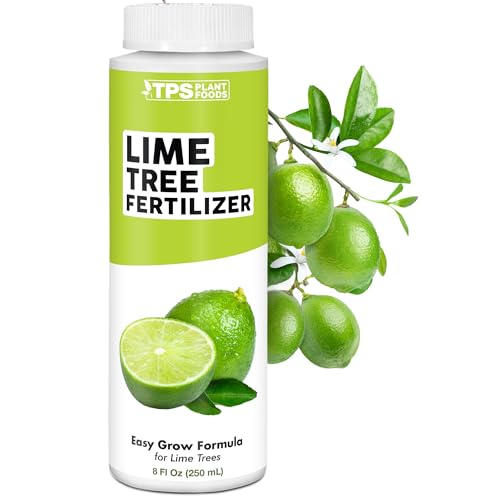
Made for Lime & Citrus Trees – Formulated to support healthy growth in lime and citrus trees.
Types of Fertilizers Suitable for Flowering
- Balanced Fertilizers: Look for fertilizers with an equal ratio of nitrogen, phosphorus, and potassium (N-P-K). These provide essential nutrients for overall plant health during flowering.
- Slow-Release Fertilizers: Use slow-release formulas to provide a steady supply of nutrients over time. This minimizes the risk of over-fertilizing and supports consistent growth.
- Organic Fertilizers: Consider organic options like compost or well-rotted manure. These improve soil health while supplying nutrients naturally.
- Flowering-Specific Fertilizers: Some fertilizers are specially formulated for flowering plants. Check labels for formulations with higher phosphorus, which supports blooming.
- Over-Fertilization: Applying too much fertilizer can harm the plant. Excess nutrients may lead to leaf burn or poor fruit set. Always follow recommended application rates.
- Nutrient Imbalance: Introducing the wrong type or amount of fertilizer can create nutrient imbalances. This may weaken the tree, making it susceptible to disease and pests.
- Timing Issues: Fertilizing too late in the flowering stage can promote leafy growth instead of fruit development. Aim to fertilize early in the flowering phase for the best results.
- Watering Needs: Fertilizers require water for uptake. Ensure the soil is adequately moist before applying any fertilizer to avoid stressing the tree.
Best Practices for Fertilizing Fruit Trees
Fertilizing fruit trees during their flowering stage requires careful consideration of timing, type of fertilizer, and application rates. Following best practices ensures healthy growth and improves fruit yield.
Recommended Products

FORMULATED FOR CITRUS AND FRUIT TREES: Use these citrus fertilizer spikes on apple, orange, lemon, lime, and avocado trees; this formula is also great for feeding palm trees

🌿 Balanced 10-10-10 Granular Fertilizer for Outdoor & Indoor Plants: All-purpose plant food with 10% Nitrogen, 10% Phosphorus, and 10% Potassium. Perfect for outdoor vegetable gardens, fruit trees, evergreens, shrubs, lawns, and flowers. Also great for potted plants and indoor gardening. One solution for all your plant needs!

Down to Earth Fruit Tree is a five pound box of all natural fertilizer with 6-2-4 formula and is listed by the Organic Materials Review Institute (OMRI) for use in organic production
Timing and Application Rates
Apply fertilizer before flowering occurs. Fertilizing just as flowers begin opening can disrupt the flowering process. Aim for early spring when buds start swelling.
Follow these application rate guidelines:
- Balanced Fertilizers: Use according to package instructions. Typically, 0.5 to 1 pound per inch of trunk diameter works well.
- Slow-Release Fertilizers: Apply once in early spring. These release nutrients gradually, promoting steady growth.
- Organic Fertilizers: Spread around the tree’s drip line. Use 2 to 5 pounds per tree, adjusting based on the tree’s size.
Monitor trees for signs of nutrient deficiency. Yellowing leaves or poor fruit set indicates a need for adjustment.
Organic vs. Synthetic Fertilizers
Choose between organic and synthetic fertilizers based on your gardening philosophy and tree needs.
Organic Fertilizers
- Derived from natural sources like compost, manure, and bone meal.
- Improve soil health over time, enhancing nutrient retention.
- Release nutrients slowly, reducing the risk of over-fertilization.
- Manufactured from chemical compounds. Provides immediate nutrient availability.
- Can target specific nutrient deficiencies quickly.
- Risk of nutrient leaching exists; monitor application carefully.
Select fertilizers high in phosphorus during flowering to support flower development. Always read labels to ensure you’re meeting your trees’ specific nutrient requirements.
Signs Your Fruit Trees Need Fertilization
Recognizing when your fruit trees need extra nutrients is essential for healthy growth and fruitful harvests. Watch for these key signs:
Recommended Products

Let our professionally formulated plant food help your fruit tree grow healthy, strong AND abundantly producing

LASTING COLOR: Miracle-Gro Tree & Shrub Plant Food Spikes are fertilizer spikes for trees and shrubs; they promote vibrant color and foliage for trees and shrubs in your yard

Recognizing Nutrient Deficiencies
- Yellow Leaves: If you notice yellowing leaves, this often indicates a nitrogen deficiency. Nitrogen fuels leaf growth and overall vigor.
- Poor Flowering: Sparse or discolored flowers can signal a lack of phosphorus. Adequate phosphorus is crucial for flower and fruit development.
- Stunted Growth: If branches look smaller or slower than usual, it may suggest a deficiency in potassium, important for overall plant health.
- Leaf Drop: Excessive leaf drop during the growing season can result from nutrient imbalances. Ensure nutrient levels are balanced for optimal leaf retention.
- Check Growth Patterns: Keep an eye on the growth rate of new shoots. Consistent, vigorous growth indicates healthy nutrient levels.
- Inspect Bark and Buds: Look for swollen buds and healthy bark. Healthy buds suggest the tree’s health, while dried or cracked bark may indicate stress from nutrient deficiency.
- Evaluate Fruit Set: If your trees produce few or poorly formed fruits, it’s a sign of potential nutrient issues. Proper nutrient balance leads to better fruit quality and quantity.
- Soil Testing: Regular soil tests identify nutrient levels. Testing every couple of years helps you adjust your fertilization strategy based on the specific needs of your trees.
Identifying these signs early allows you to respond promptly, ensuring your fruit trees remain healthy and productive through their flowering stages.
Conclusion
Fertilizing your fruit trees during the flowering stage can be a bit tricky but it’s definitely manageable with the right approach. By understanding your trees’ nutrient needs and timing your applications carefully you can support healthy growth and enhance fruit production.
Always remember to choose the right type of fertilizer and watch for any signs of nutrient deficiencies. Keeping an eye on soil moisture is key to ensuring your trees can absorb those nutrients effectively. With a little attention and care you’ll set your fruit trees up for a bountiful harvest. Happy gardening!
Frequently Asked Questions
Should I fertilize fruit trees while they’re blooming?
Fertilizing fruit trees during bloom can be risky. It’s generally recommended to apply fertilizer before the flowering stage. Early spring application helps avoid nutrient imbalances that can negatively impact flower development and fruit production.
What type of fertilizer is best for fruit trees in bloom?
Balanced fertilizers with adequate nitrogen, phosphorus, and potassium are best. Flowering-specific fertilizers, especially those higher in phosphorus, can boost flower quality and fruit set. Organic options can also be beneficial for long-term soil health.
When is the best time to fertilize fruit trees?
The best time to fertilize fruit trees is in early spring before blooming begins. This timing allows for efficient nutrient uptake, supporting healthy growth and enhancing flower development as the trees enter their flowering stage.
How can I tell if my fruit trees need fertilization?
Signs that your fruit trees may need fertilization include yellow leaves, poor flowering, stunted growth, and excessive leaf drop. Regular monitoring of growth patterns and conducting soil tests can help you identify nutrient deficiencies.
What are the risks of over-fertilizing fruit trees?
Over-fertilization can lead to nutrient imbalances, which may cause poor tree health, reduced fruit production, and even damage to the tree. It’s crucial to follow recommended application rates and monitor the tree’s response.
