

Wondering when to give your fruit trees a boost? Timing can make all the difference in your harvest. If you’ve ever struggled with less-than-ideal fruit yields or noticed your trees looking a bit lackluster, you’re not alone. Many gardeners face the same challenge.
Key Takeaways
- Timing is Crucial: Fertilize fruit trees in early spring, just before bloom, and post-harvest for optimal growth and yield.
- Key Nutrients: Focus on essential nutrients like nitrogen for growth, phosphorus for root development, and potassium for quality fruit.
- Tree Type Matters: Different fruit trees require varying fertilization schedules; know your specific tree’s needs for best results.
- Soil Health: Regular soil testing helps identify nutrient levels and informs fertilization strategies to enhance tree health.
- Signs of Nutrient Deficiency: Look for yellowing leaves, poor fruit set, and stunted growth as indicators that your tree needs fertilization.
Understanding Fruit Tree Fertilization
Understanding fruit tree fertilization ensures that your trees thrive, producing healthy, abundant fruit. Fertilization provides essential nutrients that support growth and fruit development. Here’s what you need to know about it.
Benefits of Fertilization
- Enhanced Growth: Nutrients support stronger root systems and healthier foliage.
- Improved Yields: Adequate feeding leads to more and larger fruits.
- Disease Resistance: Well-nourished trees are less susceptible to pests and diseases.
Key Nutrients for Fruit Trees
- Nitrogen (N): Promotes leaf growth and overall vigor.
- Phosphorus (P): Supports root development and flowering.
- Potassium (K): Enhances fruit quality and resistance to stress.
When to Fertilize
- Early Spring: Apply fertilizer as buds begin to swell. This timing supports new growth.
- Pre-Bloom: Fertilize just before flowering to promote healthy blossoms and fruit set.
- Post-Harvest: Consider a light feeding after harvest to encourage recovery and prepare for the next season.
Fertilizer Application Tips
- Choose the Right Type: Use balanced or specific formulations based on soil tests. Organic options like compost can also benefit trees.
- Follow Recommended Rates: Adhere to guidelines for amounts based on tree size and age. Over-fertilizing can harm trees.
- Watering Afterwards: Water the trees thoroughly after applying fertilizer to help nutrients penetrate the soil.
- Yellowing Leaves: Indicates a nitrogen deficiency.
- Poor Fruit Set: Few fruits may signal insufficient nutrients.
- Stunted Growth: Slow growth may suggest a lack of essential elements.
Incorporating effective fertilization practices supports the health and productivity of your fruit trees throughout the growing season. Adjust your fertilization strategy based on observations, ensuring your trees receive the nutrients they require.
Factors Influencing Fertilization Timing
Understanding factors influencing fertilization timing helps you maximize your fruit trees’ health and yield. Several elements play a role in determining the optimal times to fertilize.
Recommended Products
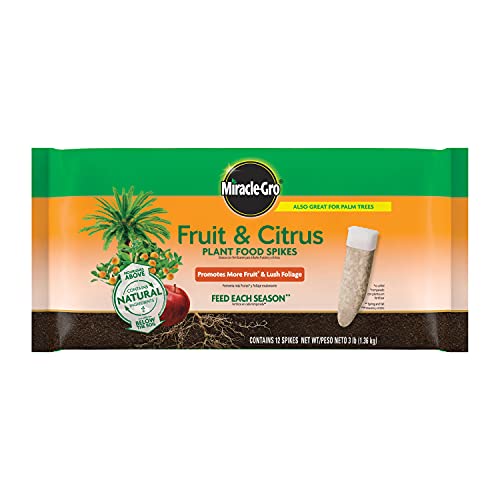
FORMULATED FOR CITRUS AND FRUIT TREES: Use these citrus fertilizer spikes on apple, orange, lemon, lime, and avocado trees; this formula is also great for feeding palm trees

Made for Lemon & Citrus Trees – Formulated to support healthy growth in lemon and citrus plants.

Let our professionally formulated plant food help your fruit tree grow healthy, strong AND abundantly producing
Tree Type Considerations
Different fruit trees require specific fertilization schedules. For example, stone fruit trees like cherries and plums benefit from fertilization in late winter to early spring before bud break. In contrast, pome fruit trees like apples and pears thrive with spring fertilization but may need an additional boost during the growing season. Knowing the needs of each tree type ensures you provide the right nutrients at the right time.
Soil Health and Nutrient Levels
Soil conditions significantly impact fertilization timing. Testing soil every few years reveals nutrient levels and pH. High nitrogen levels may cause excessive leaf growth but poor fruit production, signaling you might delay fertilization. Conversely, low nutrient levels call for immediate attention. Regular testing and adjustments based on results help create a balanced nutrient environment for fruit tree growth and productivity.
Seasonal Fertilization Guide
Understanding when to fertilize your fruit trees can enhance their growth and fruit production. This guide outlines effective fertilization strategies for each season.
Recommended Products
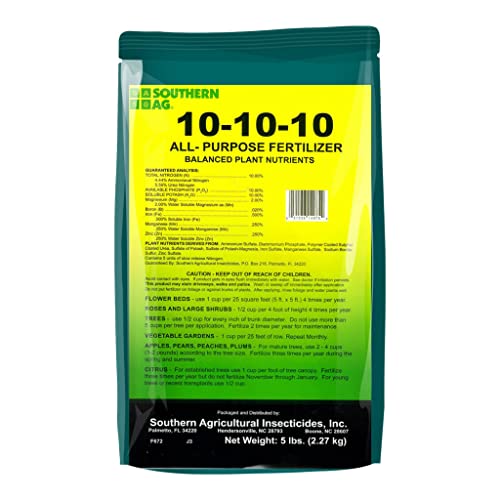

🌿 Balanced 10-10-10 Granular Fertilizer for Outdoor & Indoor Plants: All-purpose plant food with 10% Nitrogen, 10% Phosphorus, and 10% Potassium. Perfect for outdoor vegetable gardens, fruit trees, evergreens, shrubs, lawns, and flowers. Also great for potted plants and indoor gardening. One solution for all your plant needs!

Produce abundant and vibrant fruit and blooms! This product works by strengthening your plant's roots to increase nutrient uptake… enabling it to bloom and produce like you've never seen!
Spring Fertilization Strategies
Spring marks the start of the growing season. You should fertilize your fruit trees during this time to provide essential nutrients.
- Timing: Apply fertilizer in early spring, just as new growth begins. This helps trees absorb nitrogen effectively.
- Type of Fertilizer: Use a balanced fertilizer with equal parts nitrogen, phosphorus, and potassium (N-P-K ratio of 10-10-10 works well). Adjust based on soil test results.
- Application Method: Spread granules evenly around the base of the tree, keeping it a few inches away from the trunk to avoid burning roots. Water thoroughly after application to activate the fertilizer.
Summer and Fall Practices
Fertilization in summer and fall supports ongoing growth and prepares trees for winter.
- Summer Boost:
- Fertilize lightly in mid-summer if trees show signs of nutrient deficiency, like yellowing leaves. A quick-release fertilizer can rejuvenate their health.
- Focus on supplemental micronutrients, such as magnesium or calcium, to enhance fruit quality.
- Fall Preparations:
- Avoid heavy fertilization in late fall. Instead, consider a slow-release fertilizer in early to mid-fall to help trees build strength for winter.
- Apply compost around the base for added nutrients and improved soil texture.
Following this seasonal guide ensures your fruit trees receive the nutrients they need at the right times, promoting healthy growth and fruitful harvests.
Signs Your Fruit Trees Need Fertilization
Observing your fruit trees closely helps you identify signs that indicate the need for fertilization. Here are key signs to look for:
- Yellowing Leaves: If the leaves turn yellow, especially on older leaves, your tree may lack nitrogen. Healthy nitrogen levels lead to vibrant green foliage.
- Poor Growth: Stunted or slow growth, particularly in new shoots, shows nutrient deficiencies. Insufficient nutrients limit the tree’s ability to thrive.
- Reduced Fruit Yield: Fewer fruits or smaller-sized fruits signal a need for more nutrients. Fertilization enhances fruit quality and quantity.
- Weak Blossom Production: Limited blossoms on your trees may suggest nutrient limitations. Healthy trees produce numerous flowers each spring.
- Leaf Drop: Premature leaf drop can occur due to nutritional stress. Regular fertilization supports healthy foliage and reduces leaf loss.
- Brown or Wilting Leaves: If leaves appear brown or dry out, it might indicate a phosphorus deficiency. Phosphorus is crucial for root development and overall health.
- Short Fruit Development Period: If fruits develop too quickly without reaching full size, your trees might not receive adequate nutrients. Balanced fertilization is key to proper growth timing.
- Soil Test Results: Conducting a soil test reveals nutrient levels. If tests show deficiencies, it’s time to fertilize.
Monitoring these signs helps maintain healthy, productive fruit trees. When you observe any symptoms, consider adjusting your fertilization strategy to meet the specific needs of your trees.
Recommended Products

Produce abundant and vibrant fruit and blooms! This product works by strengthening your plant's roots to increase nutrient uptake… enabling it to bloom and produce like you've never seen!

Bloom Booster Built for Peak Season: Yardi Fruit & Bloom delivers a targeted NPK 2-15-15 formula with micronutrients to drive abundant flowering and stronger yields. Higher phosphorus and potassium maximize bloom production and fruit set at the most critical stage of the growing season.

Let our professionally formulated plant food help your fruit tree grow healthy, strong AND abundantly producing
Conclusion
Timing your fertilization is key to keeping your fruit trees healthy and productive. By understanding their specific needs and observing signs of nutrient deficiencies you can make informed decisions about when to fertilize. Remember to follow the seasonal guide and adjust your approach based on what your trees are telling you.
With the right care and attention your fruit trees will flourish and reward you with bountiful harvests. Happy gardening and enjoy the fruits of your labor!
Frequently Asked Questions
Why is timing important for fertilizing fruit trees?
Fertilizing at the right time boosts tree health and productivity. Key periods include early spring, pre-bloom, and post-harvest when the trees are most receptive to nutrients, allowing for stronger growth and better fruit yields.
What nutrients are essential for fruit trees?
Fruit trees primarily need nitrogen, phosphorus, and potassium. These nutrients promote essential growth, improve yields, and enhance disease resistance, ensuring trees thrive throughout their growing season.
When should I fertilize my fruit trees?
Optimal fertilization times vary by tree type. Typically, apply fertilizer in early spring for stone fruits, spring for pome fruits, and light supplemental fertilization in the summer if deficiencies arise.
How can I tell if my fruit trees need fertilization?
Signs include yellowing leaves, reduced growth, poor fruit yield, and weak blossom production. Monitoring these symptoms helps gardeners adjust their fertilization strategies for optimal tree health.
What type of fertilizer is best for fruit trees?
A balanced fertilizer with a 10-10-10 N-P-K ratio is ideal for initial spring application. As trees mature, adjustments can be made to suit specific nutrient deficiencies observed.
Can soil health affect fertilization timing?
Yes, soil health and nutrient levels greatly influence fertilization schedules. Regular soil testing allows gardeners to tailor their fertilization based on the specific needs of their trees and soil.
How often should I conduct soil tests for my fruit trees?
Conduct soil tests annually or biannually to monitor nutrient levels. This helps determine the best fertilization strategy and ensures that trees receive adequate nutrients throughout the growing season.
