

Ever wondered if washing your grapes with vinegar could make a difference? Picture this: you’ve just returned from the market, excited to snack on those plump, juicy grapes. But before you can enjoy them, you’re faced with the age-old question – how do you ensure they’re clean and safe to eat?
Key Takeaways
- Washing grapes with vinegar helps remove chemicals and pesticides, promoting cleaner produce and a healthier lifestyle.
- Vinegar can extend the shelf life of grapes by eliminating bacteria and mold spores, reducing spoilage and food wastage.
- The recommended ratio for washing grapes with vinegar is 3 parts water to 1 part vinegar to ensure effective cleansing without leaving a strong taste.
- Safety precautions include diluting vinegar properly, rinsing grapes thoroughly, and ensuring they are completely dry before storage to prevent mold growth.
- Alternatives to vinegar for washing grapes include using saltwater solution or commercial fruit washes as effective options.
Benefits of Washing Grapes with Vinegar
When washing grapes with vinegar, you’re not just cleaning them; you’re also reaping additional benefits that contribute to your health and well-being. Let’s explore the advantages of using vinegar in this process.
Recommended Products

REMOVES DIRT, WAX & RESIDUE: Washes away soil, wax coatings and surface residue from apples, berries, greens, peppers and everything in between, rinsing clean with no taste and no smell left behind.
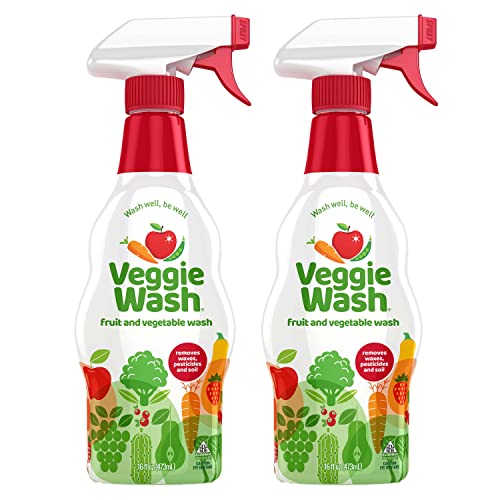
WASH WELL, BE WELL: safely removes wax, soil, agricultural chemicals, and handling residue found on both standard and organic fruits and veggies

【360° SPRAY】Veco 10oz small spray bottle features a gravity ball straw, enabling 360° spraying—upside-down, sideways, or upright. This design allows for efficient cleaning of hard-to-reach areas like toilet corners and range hoods, ensuring no liquid is wasted.
Removing Chemicals and Pesticides
Washing grapes with vinegar is an effective way to eliminate potentially harmful chemicals and pesticides present on the fruit’s surface. Vinegar’s acidic nature helps break down and remove residues, providing you with cleaner produce to enjoy. By incorporating this simple step into your routine, you can reduce your exposure to unwanted substances and promote a healthier lifestyle.
Extending Shelf Life
Another significant benefit of washing grapes with vinegar is the potential extension of their shelf life. By eliminating bacteria and mold spores that may be present on the grapes, vinegar can help prevent premature spoilage. This means that your fruit stays fresher for longer, allowing you to savor its flavors over an extended period. Incorporating this practice into your food preparation habits can lead to less wastage and more enjoyment of fresh produce.
How to Wash Grapes with Vinegar
To ensure your grapes are clean and free from harmful chemicals, follow these simple steps for washing them with vinegar.
Recommended Products

UNRIVALED CONSTRUCTION - Set of 2 premium fortified glass spray bottles 16 Oz. Refillable spray bottles mist sprayer for daily use. Vine Creations empty spray bottles for cleaning are Lead-free.
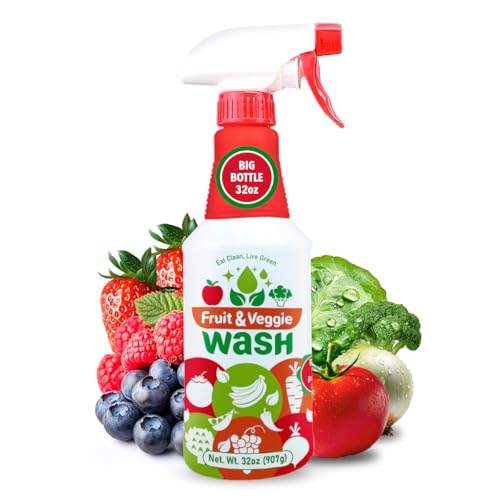
Fruit Wash Spray That Helps Lift Wax, Soil & Surface Residue: The foam clings to apples, grapes, potatoes, lettuce and other fresh produce, then rinses clean with no aftertaste, so fruits and veggies taste like themselves, not like soap

THE BETTER REFILL: STOP PAYING TO SHIP WATER: Liquid produce washes, and even their refill jugs, are mostly water. You pay to bottle it, ship it and haul it home. Fast Fresh are dry strips, and you only add water from your own tap. They dissolve instantly. Refill the spray bottle you already own with 2 strips per 16.9 oz (1/2 liter), or soak with 1 strip per 1 quart (1 liter). No heavy jug, less plastic, and it costs less per wash than leading liquid washes.
Step-by-Step Process
- Prepare the Solution:
- Fill a large bowl or container with water.
- Add vinegar to the water in a ratio of 3 parts water to 1 part vinegar.
- Soak the Grapes:
- Place the grapes in the vinegar-water solution.
- Ensure all grapes are submerged and let them soak for about 5-10 minutes.
- Rinse Thoroughly:
- After soaking, rinse the grapes under running water.
- Gently rub them to remove any remaining dirt or residue.
- Dry Before Storage:
- Pat the grapes dry with a paper towel or let them air dry.
Ratio of Vinegar to Water
When washing grapes with vinegar, it’s essential to maintain the right balance in your cleaning solution. The optimal ratio is 3 parts water to 1 part vinegar. This proportion effectively cleanses the grapes while ensuring they’re safe for consumption without leaving a strong taste of vinegar on the fruit.
By following this straightforward process and using the correct ratio of vinegar to water, you can enjoy cleaner, pesticide-free grapes that are ready to eat or use in your favorite recipes.
Safety Considerations
When considering washing grapes with vinegar, it’s essential to be aware of potential risks and take necessary precautions to ensure food safety.
Potential Risks
Using vinegar to wash grapes is generally safe; however, there are a few risks to be mindful of. Vinegar is acidic and can potentially cause skin irritation or allergic reactions in some individuals. If you have sensitive skin or allergies, it’s advisable to wear gloves when handling the vinegar solution. Additionally, prolonged exposure to the vinegar solution may affect the texture of the grapes or alter their taste slightly.
Precautions to Take
To mitigate any risks associated with washing grapes with vinegar, here are some precautions you should consider:
- Always dilute the vinegar properly by using a ratio of 3 parts water to 1 part vinegar.
- Avoid using undiluted vinegar directly on the grapes as it may be too harsh.
- Rinse the grapes thoroughly after soaking them in the vinegar solution for 5-10 minutes to remove any residue.
- Ensure that the grapes are completely dry before storing them to prevent mold growth.
By following these simple precautions, you can safely wash your grapes with vinegar and enjoy cleaner produce without compromising your health.
Alternatives to Vinegar for Washing Grapes
If you’re looking for alternatives to vinegar for washing grapes, there are a few effective options you can consider. Here are some alternatives to vinegar that you can use to wash your grapes safely and effectively:
Recommended Products

USDA Organic fruit and vegetable wash in 16 fl oz bottle

EFFECTIVE FRUIT AND VEGETABLE CLEAN WASH: This natural produce wash stands out for its quality and effectiveness. It uses clean ingredients you can trust to refresh produce from delicate berries to crisp apples, ensuring each bite is pure and fresh.

EFFECTIVE FRUIT AND VEGETABLE CLEAN WASH: This natural produce wash stands out for its quality and effectiveness. It uses clean ingredients you can trust to refresh produce from delicate berries to crisp apples, ensuring each bite is pure and fresh.
Using Salt Water
Try using a saltwater solution as an alternative to vinegar for washing grapes. Mix about 1 tablespoon of salt in a bowl of water and soak the grapes in this solution for about 5-10 minutes. The saltwater helps remove dirt, bacteria, and some pesticides from the grape’s surface. Remember to rinse the grapes thoroughly with clean water after soaking them in the saltwater solution.
Commercial Fruit Washes
Another alternative to washing grapes with vinegar is using commercial fruit washes available in the market. These fruit washes are specifically designed to remove residues, waxes, and contaminants from fruits like grapes. Follow the instructions on the product label for the best results when using commercial fruit washes. Rinse the grapes well after applying the fruit wash to ensure they are clean and ready to eat.
Conclusion
You now have a variety of options for cleaning your grapes thoroughly before enjoying them. Whether you choose to stick with vinegar or explore alternatives like saltwater solutions or fruit washes, the goal remains the same: ensuring your grapes are free from unwanted residues. By following the simple steps outlined in this article, you can savor your grapes with peace of mind, knowing that you’ve taken the necessary precautions to protect yourself and your loved ones. Experiment with different methods to find what works best for you and make it a regular part of your fruit preparation routine. Here’s to cleaner, healthier grapes and a happier snacking experience!
Frequently Asked Questions
Is washing grapes with vinegar safe?
Yes, washing grapes with vinegar is safe as long as you dilute it properly. Vinegar helps remove chemicals and pesticides from the surface of grapes, promoting healthier consumption.
How do I wash grapes effectively with vinegar?
To wash grapes effectively with vinegar, mix one part vinegar with three parts water in a bowl. Soak the grapes in this solution for 5-10 minutes, then rinse them thoroughly under running water before consuming.
Are there alternatives to using vinegar for washing grapes?
Yes, you can use saltwater solutions or commercial fruit washes as alternatives to vinegar. These options are also effective in removing dirt, bacteria, and pesticides from grapes while ensuring food safety.
