

Do you ever wonder what kind of climate kiwis thrive in? Picture this: you’re at the grocery store, eyeing the vibrant array of fruits, and you spot those fuzzy brown kiwis. But have you ever thought about the specific conditions these little fruits need to flourish? Understanding the climate requirements for growing kiwis can not only help you appreciate them more but also inspire you to try your hand at cultivating them yourself.
In this article, you’ll discover the ideal climate for kiwi plants and how you can create a suitable environment for them to grow successfully. By learning about the specific climate conditions that kiwis prefer, you’ll be equipped with the knowledge to nurture these delicious fruits in your own backyard. Get ready to explore the fascinating world of kiwi cultivation and unlock the secrets to fostering healthy, thriving plants.
Key Takeaways
- Kiwi plants thrive in temperate climates with warm summers and cool winters, requiring moderate temperatures, adequate sunlight, and protection from strong winds to grow successfully.
- Ideal soil for kiwis is well-draining, loamy, and rich in organic matter with a pH of 6.0 to 6.5, while they need consistent moisture but must avoid water stagnation to prevent root rot.
- Providing kiwi plants with at least 6 to 8 hours of sunlight daily is crucial for effective photosynthesis and robust growth.
- Selecting the right kiwi variety, ensuring the planting site has proper sunlight and well-draining soil, and following correct planting techniques are essential for successful kiwi cultivation.
- Regular pruning, balanced fertilization, and pest and disease management are necessary for maintaining healthy kiwi plants and ensuring abundant harvest.
- Understanding and meeting the specific climate conditions such as temperature, sunlight, humidity, wind protection, frost protection, and microclimates are key to cultivating healthy and productive kiwi plants.
Overview of Kiwi Plant
Understanding the characteristics and requirements of the kiwi plant is essential for successful cultivation. Here’s a breakdown to help you grasp the fundamentals:
Kiwi Plant Essentials
To create a conducive environment for kiwi plants, you need to consider several key factors, including:
- Climate: Kiwi plants thrive in temperate climates with warm summers and cool winters. They grow best in regions with moderate temperatures, adequate sunlight, and protection from strong winds.
- Soil Requirements: Kiwis prefer well-draining, loamy soil rich in organic matter. A soil pH of 6.0 to 6.5 is ideal for optimal growth.
- Watering Needs: Kiwi plants require consistent moisture, especially during the growing season. However, water stagnation should be avoided to prevent root rot.
- Sunlight: Adequate sunlight is crucial for kiwi plants to undergo photosynthesis effectively. Aim for at least six to eight hours of sunlight daily.
Planting Kiwi
When planting kiwi plants, follow these steps:
- Choose the Right Variety: Select a kiwi variety suitable for your climate zone and available space.
- Prepare the Planting Site: Ensure the planting area receives sufficient sunlight and has well-draining soil.
- Planting Technique: Dig a hole deep enough for the roots, gently place the plant, backfill with soil, and water thoroughly.
Care and Maintenance
To ensure healthy growth and abundant harvest, remember to:
- Prune Regularly: Pruning helps control the plant size, promote fruiting, and maintain overall plant health.
- Fertilize Appropriately: Feed your kiwi plant with a balanced fertilizer in early spring and again in early summer.
- Pest and Disease Management: Keep an eye out for common pests like aphids and diseases such as powdery mildew. Take preventive measures and address issues promptly.
By following these guidelines and providing the necessary care, you can enjoy the delicious fruits of your kiwi plant while watching it thrive in a suitable environment.
Ideal Climate Conditions for Kiwi Growth
When cultivating kiwi plants, it’s crucial to understand the ideal climate conditions for their growth. Kiwis thrive in specific environments that offer the right combination of temperature, sunlight, and moisture. Here’s what you need to know to create a conducive climate for your kiwi plants:
Temperature:
For optimal growth, kiwi plants prefer moderate temperatures. They thrive in regions where the average temperature ranges between 50°F and 85°F. Extreme heat or cold can hinder their development and fruit production.
Sunlight:
Kiwi plants require ample sunlight to flourish. They do best in areas with full sun exposure, receiving at least 6-8 hours of sunlight daily. Adequate sunlight promotes robust growth and enhances fruit quality.
Humidity:
Maintaining the right humidity levels is essential for kiwi plants. They prefer humid conditions, with relative humidity levels around 60-70%. In arid regions, consider using misters or humidity trays to increase moisture levels.
Wind Protection:
Kiwi plants are sensitive to strong winds that can damage their tender vines. Ensure they are planted in a location with adequate wind protection, such as near a fence or using windbreaks, to shield them from strong gusts.
Frost Protection:
Protect kiwi plants from frost damage, especially during the winter months. Frost can harm the vines and buds, impacting fruit production. Consider using frost cloth or providing overhead protection during cold spells.
Microclimates:
Understand the microclimates within your garden or orchard. Kiwi plants may benefit from planting in areas with slight variations in temperature and humidity, creating microclimates conducive to their growth.
By ensuring your kiwi plants are situated in an environment that aligns with these ideal climate conditions, you can set them up for success and maximize their growth and fruit production. Remember, creating a tailored climate for your kiwis is key to nurturing healthy and thriving plants.
Recommended Products
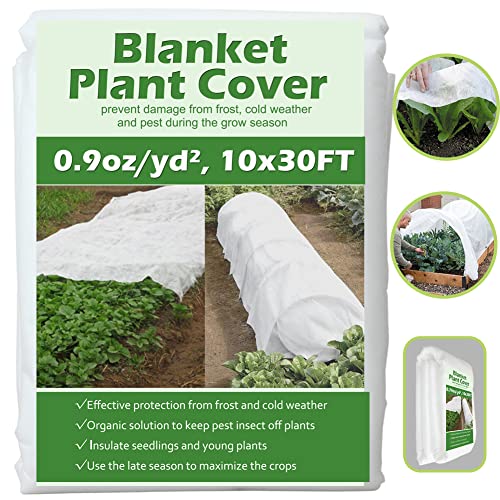
※Big Size to cover large area : The size of our plant cover is 10x30ft, the size can cover large areas. You can cut the plant covers freeze protection into different sizes for different use. You can cover it over the plant such as shrub tomato, pepper, pumpkin, and so on.

THICKER MATERIAL: Our plant freeze protection cover is made of UV stabilized polypropylene. Upgraded thicker 0.9oz./sq.yard lightweight but durable. Soft plant covers are friendly and no harm to your plants. Breathable non-woven fabric allow light, air go through the frost cloths and reach the plants.
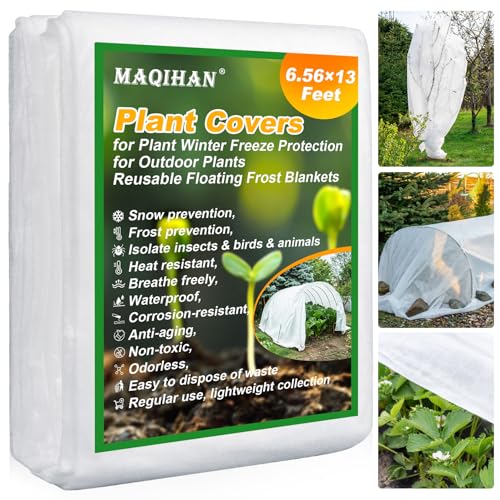
Product Features: Our plant covers are ideal for protecting all plant. Made from premium 1 oz/sq non-woven fabric, their durability and breathability ensuring both insulation against frost and facilitation of sunlight penetration for healthy plant growth
Geographic Regions Suitable for Kiwi Cultivation
When considering the geographic regions best suited for cultivating kiwis, it’s essential to focus on specific climate requirements that these plants thrive in. Understanding the ideal growing conditions can help you create an environment where kiwis flourish and produce abundant fruit. Here is a breakdown of the geographic regions that are optimal for kiwi cultivation:
Recommended Products

Can only ship plants bare-root (no soil or pot) to CA. Cannot ship culinary seeds to CA.

Set 2 Kiwi Plants, 4-6" Tall. Come without pot

Suitable for USDA growing zones 4–8
Temperature Preferences
Kiwis prefer temperate climates with moderate temperatures for optimal growth. They thrive in regions where temperatures range between 50°F and 86°F (10°C to 30°C). Extreme temperature fluctuations can stress the plants, affecting their overall health and fruit production.
Sunlight Requirements
Kiwi plants require ample sunlight to photosynthesize effectively and develop fruits. Ideally, they should receive full sun exposure for at least 6 to 8 hours a day. Placing kiwi vines in a location with adequate sunlight ensures robust growth and fruiting.
Humidity Levels
Moderate humidity levels are beneficial for kiwi plants. They prefer regions with relative humidity ranging from 60% to 80%. High humidity coupled with poor air circulation can increase the risk of diseases, while low humidity levels can lead to water stress in the plants.
Wind and Frost Protection
Kiwi plants are sensitive to strong winds and frost. It is crucial to shield them from harsh winds, which can damage the vines and affect fruit development. Additionally, protecting kiwis from frost is essential as they are susceptible to frost damage. Consider planting kiwi vines in sheltered areas to minimize wind exposure and frost risks.
Importance of Microclimates
Microclimates play a significant role in kiwi cultivation. While kiwis prefer temperate climates, microclimates within regions can impact plant growth. Choose planting sites with favorable microclimates, such as areas with good air circulation, sunlight exposure, and protection from extreme weather conditions.
By selecting geographic regions that align with these climate factors, you can create an optimal environment for cultivating healthy and productive kiwi plants. Understanding the specific climate requirements for kiwis is key to successful cultivation and maximizing fruit yield.
Challenges in Growing Kiwis outside Ideal Climates
When attempting to grow kiwis in regions that do not match their preferred climate, you may encounter several challenges that can impact the health and productivity of your plants. Adapting to these obstacles requires careful planning and proactive measures to support your kiwi plants effectively. Here are the key challenges you might face and how to address them:
Recommended Products

10 x 30-foot frost protection plant cover for defending plants from light frost, light snow, and mild cold conditions

The Large plant cover is perfect for Plant size 55''-70"high and 84''-94" round, Heavy-weight FRCs (1.77oz./sq. yard): usually used to extend the growing season in spring and fall, allow 40%-60% light transmittance, and recommend 3°-8°F of freeze protection

PACKAGE: The package includes 4Pcs plant covers,will meet your daily use or replacement. Measuring 31.5" x 47.3", the plant protector is waterproof, windproof.
Limited Temperature Tolerance
Kiwis thrive in temperate climates with specific temperature ranges for optimal growth. In areas with extreme heat or frost, your kiwi plants may struggle to develop properly. To mitigate this challenge, consider implementing shading techniques during scorching summers and using frost protection methods in colder months to maintain a suitable temperature range for your kiwis.
Sunlight Requirements
Insufficient sunlight can hinder the fruiting and overall health of kiwi plants. If your growing area lacks adequate sunlight exposure, consider utilizing reflective surfaces, adjusting planting positions, or employing artificial lighting to supplement natural light and meet the plants’ sunlight needs.
Soil and Drainage Issues
Kiwis require well-draining soil to prevent waterlogging, which can lead to root rot and other plant diseases. If your soil has poor drainage properties, amend it with organic matter, perlite, or sand to improve aeration and drainage. Additionally, consider raised beds or container gardening to control moisture levels effectively.
Humidity Management
High humidity levels can promote fungal diseases in kiwi plants, affecting their growth and fruit production. To manage humidity, ensure proper air circulation around the plants by pruning foliage, spacing them adequately, and avoiding overhead watering. Using fungicides preventatively can also help protect your kiwis from humidity-related issues.
Wind and Frost Protection
Strong winds can damage kiwi vines and disrupt pollination, while frost can harm tender plant parts. Erecting windbreaks, installing frost cloths or using mulch can shield your kiwis from these elements and safeguard their growth. Regularly monitoring weather forecasts and being prepared to protect your plants when necessary is crucial.
By recognizing and addressing these challenges proactively, you can enhance the chances of successfully growing kiwis outside their ideal climates, ensuring healthier plants and a more fruitful harvest.
Conclusion
You now have a solid understanding of the climate conditions that kiwi plants thrive in. Remember, creating the right environment is key to their growth and productivity. By considering factors like temperature, sunlight, soil quality, and drainage, you can set your kiwi plants up for success. Even if you face challenges due to less-than-ideal conditions, there are proactive solutions available to help you overcome them. With the knowledge gained from this guide, you’re well-equipped to cultivate healthy kiwis and enjoy a bountiful harvest. Keep nurturing your plants with care and attention, and watch them flourish in the environment you provide. Happy gardening!
Frequently Asked Questions
Q: What are the key aspects to consider when cultivating kiwi plants?
A: Key aspects include understanding climate, soil, watering, sunlight, planting requirements, pruning, fertilization, and pest management.
Q: What challenges may arise when growing kiwis outside their ideal climates?
A: Challenges may include limited temperature tolerance, sunlight requirements, soil and drainage issues, humidity management, and wind and frost protection.
Q: How can I address challenges faced when growing kiwis in less-than-ideal conditions?
A: Solutions include adapting techniques for sunlight exposure, soil quality improvement, drainage optimization, humidity control, and providing wind and frost protection.
