

Have you ever wondered how to grow your own delicious kiwi fruits right in your backyard? Picture this: you step outside, pluck a ripe kiwi off the vine, and savor its sweet, tangy flavor. Imagine the satisfaction of nurturing a kiwi plant from a tiny seed to a bountiful harvest.
In this article, you’ll discover simple and practical tips to help you successfully grow kiwi fruits at home. From choosing the right variety for your climate to providing the perfect growing conditions, we’ll guide you through each step of the process. By the end, you’ll be equipped with the knowledge and confidence to cultivate your own thriving kiwi garden. Get ready to enjoy an abundance of fresh, homegrown kiwis that you can proudly share with family and friends.
Key Takeaways
- Select a Suitable Location: Choose a sunny spot with well-draining soil for planting kiwi fruits.
- Support Vine Growth: Provide sturdy structures like trellises for the vines to climb and grow properly.
- Pollinate Effectively: Consider planting both male and female kiwi plants for successful pollination.
- Monitor Fruit Growth: Ensure consistent watering and mulching during the fruiting stage to support healthy fruit development.
- Harvest Carefully: Harvest ripe kiwi fruits by cutting them from the vine and store them properly for optimal freshness.
- Maintain Plant Care: Regularly prune, fertilize, and protect kiwi plants from pests and frost for long-term growth and fruit production.
Understanding Kiwi Fruit Growth
Welcome to the fascinating world of kiwi fruit growth! Understanding the growth stages of kiwi plants can help you nurture them properly and ensure a bountiful harvest. Let’s delve into the key aspects of how kiwi fruits grow:
Germination and Seedling Stage
When you plant kiwi seeds, the germination process begins. The seedlings will emerge from the soil within a few weeks. Ensure the soil is well-drained and rich in nutrients. Kiwi plants thrive in sunlight, so place them in a sunny spot.
Vine Development
As the kiwi plants grow, they start developing vines that will eventually bear fruit. Provide sturdy support structures like trellises for the vines to climb. Regular pruning is essential to manage vine growth and encourage fruit production.
Flowering and Pollination
Kiwi plants produce beautiful flowers that are crucial for fruit development. Bees are primary pollinators of kiwi flowers. To ensure successful pollination, consider planting a male kiwi plant nearby for cross-pollination, especially if you have a female plant.
Fruit Formation
After successful pollination, the fruits start to develop. Kiwis require consistent watering, especially during the fruiting stage. Mulching around the base of the plant helps retain soil moisture and suppress weeds. Monitor the fruit’s growth to determine the right time for harvest.
Ripening Process
Once the kiwi fruits reach maturity, they begin to ripen. You can harvest the fruits when they are firm but yield to gentle pressure. If left on the vine, kiwis will continue to ripen. Store harvested fruits in a cool, dark place until they reach the desired ripeness.
Harvesting and Enjoying
Harvest your ripe kiwi fruits by cutting them from the vine carefully. Kiwis are best enjoyed fresh or used in various culinary creations like fruit salads, smoothies, or desserts. Share the joy of homegrown kiwis with your family and friends.
Planting Kiwi Fruit
To plant kiwi fruit successfully in your backyard, follow these steps:
Recommended Products
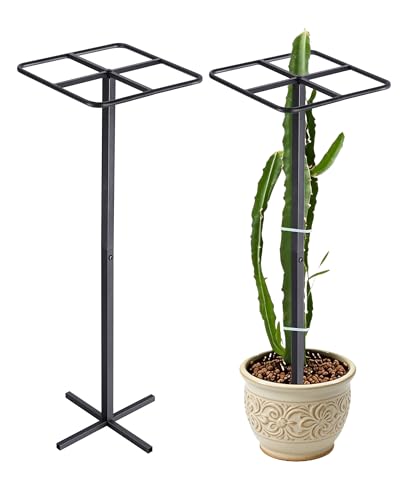
Square Top Design Unlike round trellis tops that let vines tangle together, our 4-section square top gives you four separate areas to train and separate your plants. This design improves air circulation and sunlight exposure while making pruning and harvesting easier.

Versatile Support: Our Dragon Fruit Trellis is expertly designed for dragon fruit plants, as well as other climbing plants and decorative trees, providing sturdy vertical support to elevate your garden’s potential.

CROSS BASE LOCKED IN BY SOIL - The 11 x 11 in cross base sits below the soil line in a 15 in or wider planter, and its four open corners let soil pack in and lock the frame instead of resting on top of the dirt. Add a stone if your patio is windy: a 61 in frame needs weight low down.
Selecting a suitable location
Choose a sunny spot with well-draining soil for your kiwi plant. Kiwis thrive in full sun, so pick a location with at least 6-8 hours of sunlight daily. Ensure the area is protected from strong winds that can damage the vines.
Planting the kiwi seedlings
Dig a hole twice as wide and deep as the root ball of your kiwi plant. Place the seedling gently in the hole, ensuring the top of the root ball is level with the ground. Fill the hole with soil and press firmly around the base of the plant to remove any air pockets.
Providing support for the vines
Kiwi plants are vigorous climbers and require sturdy support structures. Install a trellis, pergola, or arbor for the vines to cling to as they grow. Secure the young vines loosely to the support using soft ties to prevent damage.
Watering and mulching
After planting, water the kiwi plant thoroughly to help establish its root system. Water regularly, especially during dry spells, ensuring the soil remains consistently moist but not waterlogged. Apply a layer of organic mulch around the base of the plant to retain moisture and suppress weeds.
Fertilizing and care
Fertilize your kiwi plant with a balanced fertilizer in the spring to promote healthy growth. Prune the vines in late winter to remove dead or overcrowded branches and shape the plant. Monitor for pests and diseases, taking prompt action if any issues arise.
Pollination considerations
Kiwi plants are dioecious, meaning you need both male and female plants for fruit production. Ensure you have the right mix of plants or consider male and female vine placement for effective pollination.
Patience and maintenance
It takes a few years for kiwi plants to mature and bear fruit. Be patient and continue caring for your plant with regular pruning, watering, and fertilizing. Enjoy the process of watching your kiwi plant grow and produce delicious fruits.
Managing Kiwi Fruit Growth
Now that you’ve successfully planted your kiwi vines, it’s essential to manage their growth to ensure a bountiful harvest. Here are some key steps to help you nurture your kiwi plants effectively:
Recommended Products

This grape vine support is made of quality PP material, Can be reused,not easy to break,can be easily distorted and on the vine.Easily clips to trellising twine and doesn't slip.

Material & Durability: Compatible for grape vine support, crafted from quality PP material for reusability, resistance to breakage, and easy distortion on vines without slipping when clipped to trellising twine.

Product Packaging: 1 set of chain trellies for climbing plant (includes 10 black stars, 10 black moons, 20 Metal Spring O Rings Clip, 6 traceless hooks, 6 traceless nails, 6 plastic-coated hooks, and 10 zip ties).
Pruning for Optimal Growth
Pruning is crucial for promoting healthy growth and fruit production in kiwi plants. Trim back excess foliage and lateral branches to allow for better air circulation and sunlight exposure. Prune regularly during the dormant season to shape the vines and remove any dead or diseased wood.
Training the Vines
Proper vine training is essential for supporting your kiwi plants and maximizing fruit yield. Train the vines along a sturdy trellis or support structure, guiding them in the desired direction. Regularly check the ties to ensure the vines are adequately supported as they grow.
Fertilizing for Nutrient-Rich Soil
Kiwi plants require regular fertilization to thrive. Use a balanced fertilizer rich in nitrogen, phosphorus, and potassium to promote healthy growth. Apply fertilizer during the growing season, following the manufacturer’s instructions for the correct dosage and frequency.
Monitoring Water Needs
Consistent watering is essential for kiwi plants, especially during hot and dry periods. Keep the soil evenly moist but not waterlogged to prevent root rot. Mulching around the base of the plants helps retain moisture and regulate soil temperature.
Pest and Disease Management
Monitor your kiwi plants regularly for signs of pests and diseases. Common issues include spider mites, aphids, and fungal infections. Use organic pest control methods or suitable pesticides to address any infestations promptly. Remove and destroy affected plant parts to prevent the spread of diseases.
Protecting from Frost
Kiwi plants are sensitive to frost, especially young vines. When frost is forecasted, cover your plants with frost cloth or horticultural fleece to protect them from cold temperatures. Providing adequate protection during winter months can help prevent frost damage and ensure healthy growth in the following seasons.
By following these essential tips for managing kiwi fruit growth, you’ll nurture robust plants that yield delicious fruits for years to come. Stay vigilant, provide the care they need, and reap the rewards of a thriving kiwi garden.
Harvesting and Enjoying Kiwi Fruit
After diligently nurturing your kiwi plants, it’s time to reap the rewards of your hard work. Harvesting and enjoying kiwi fruit is a gratifying experience that requires proper timing and care to ensure you savor the fruits of your labor.
Recommended Products
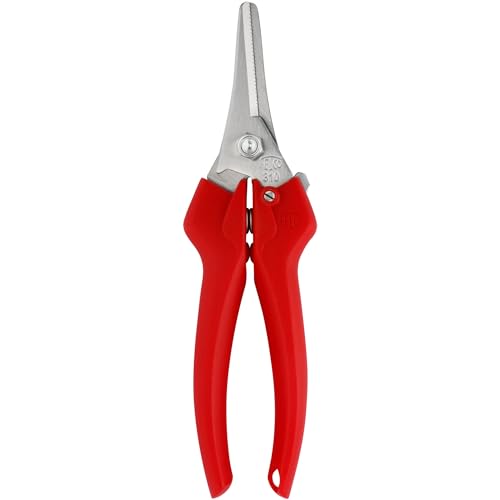

1:EXTENDABLE REACH FOR LADDER-FREE SAFETY – Acting as both a reliable tree pruner and a fruit picker pole, this tool effortlessly extends from 3.28 to 5.25 FT to reach high branches up to 10 FT from the ground. The innovative rotating and locking head allows for precise angles without unstable ladders or risky stretching, ensuring maximum safety.

1” DIAMETER EASY CUTS - Classic Cut design for easy clean cutting up to 1” diameter branches
Harvesting Ripe Kiwi Fruit
When it comes to harvesting kiwi fruit, timing is crucial. Here’s how you can tell if your kiwis are ripe and ready to be picked:
- Check Color: Ripe kiwi fruit should have a brown, fuzzy skin. If the kiwis are still green, they are not yet ripe.
- Press Test: Gently press the fruit with your thumb. If it gives slightly under pressure, it’s ripe for picking.
- Taste Test: Sample a kiwi to ensure it’s at its juiciest and sweetest flavor before harvesting the rest.
Harvesting Process
- Use Pruning Shears: Carefully cut the kiwi fruit from the vine using sharp pruning shears to avoid damaging the plant.
- Handle with Care: Kiwis are delicate fruits, so handle them gently to prevent bruising or spoiling.
- Store Properly: Keep harvested kiwis at room temperature until they ripen, then store them in the refrigerator to maintain freshness.
Enjoying Your Kiwi Harvest
Once you’ve harvested your kiwi fruit, it’s time to enjoy the fruits of your labor. Here are some delightful ways to enjoy your fresh kiwis:
- Fresh: Simply peel and eat the kiwi fruit as a nutritious snack.
- Smoothies: Blend kiwi with other fruits to create delicious and refreshing smoothies.
- Salads: Add sliced kiwi to salads for a unique and tangy flavor.
- Desserts: Use kiwi as a topping for desserts like tarts, cakes, and ice cream.
Conclusion
You’ve now learned the key steps to successfully grow your own kiwi fruits at home. By following the tips on selecting the right variety, creating optimal growing conditions, providing proper care, and harvesting ripe fruits, you’re on your way to enjoying a bountiful harvest. Remember to choose a sunny spot, protect your plants from wind, and set up sturdy support structures for healthy vines. With patience and attention to detail, you’ll soon be savoring the sweet taste of your homegrown kiwis. Whether you enjoy them fresh, in smoothies, salads, or desserts, the satisfaction of nurturing your kiwi plants from seed to harvest is truly rewarding. Keep up the good work, and may your kiwi garden flourish for years to come!
Frequently Asked Questions
1. What are the key factors to consider when growing kiwi fruits in your backyard?
Select a sunny location with well-draining soil, protect plants from strong winds, and install sturdy support structures like trellises.
2. Why is it important to have both male and female kiwi plants?
Both plants are needed for effective pollination, which is essential for fruit production.
3. How can you determine if a kiwi fruit is ripe for harvesting?
Check the color, perform a press test, and conduct a taste test to ensure optimal ripeness.
4. How should ripe kiwi fruits be harvested?
Carefully use pruning shears to cut the fruits from the vine, handle them delicately, and store them properly.
5. What are some enjoyable ways to consume fresh kiwi fruits?
You can eat them fresh, blend them into smoothies, add them to salads, or use them as dessert toppings for a delightful treat.
