

Do you find yourself wondering how to best care for your kiwi tree? Picture this: you’re gazing at your kiwi vine, unsure of where to start with pruning. Don’t worry, you’re not alone. Knowing the proper techniques for pruning your kiwi tree is essential for its health and fruit production.
In this article, you’ll discover practical tips and step-by-step guidance on how to prune your kiwi tree like a pro. By learning the art of pruning, you’ll not only promote better growth and fruiting but also ensure a thriving and vibrant kiwi plant in your garden. Stay tuned to unlock the secrets of successful kiwi tree pruning and watch your vine flourish like never before.
Key Takeaways
- Pruning kiwi trees is essential for their health and fruit production, promoting strong lateral branches and improving air circulation.
- Winter pruning in late winter or early spring promotes growth, while summer pruning controls size and enhances air circulation.
- Avoid pruning during frosty periods to prevent frost damage; prune dead or diseased branches anytime during the year.
- Essential tools for pruning a kiwi tree include pruning shears, loppers, pruning saw, gloves, safety gear, and disinfectant.
- Follow a step-by-step guide for pruning, inspecting the tree, choosing the right tools, training lateral branches, and monitoring growth.
- Post-pruning, monitor tree growth regularly, provide proper watering, apply fertilizer, control weeds, protect against pests, support lateral branches, prune wisely, and adjust pruning based on growth.
Importance of Pruning Kiwi Trees
Pruning your kiwi trees is crucial for their overall health and fruit production. Proper pruning helps in maintaining the vine’s vigor and shape, leading to better fruit quality and yield.
Ensuring that you prune your kiwi trees correctly will promote the growth of strong lateral branches, which are essential for supporting fruit-laden vines. These lateral branches are where the majority of the fruit will develop, so it’s vital to encourage their growth through strategic pruning practices.
By pruning your kiwi trees, you also remove dead or diseased branches, improving air circulation within the plant. This ventilation reduces the risk of fungal diseases and promotes optimal sunlight exposure to all parts of the vine.
Regular pruning allows you to manage the size of your kiwi tree, making it easier to harvest the fruits and maintain the plant within manageable bounds. Controlling the size of the plant also aids in preventing overcrowding and ensures that each part of the vine receives adequate nutrients for healthy growth.
Pruning your kiwi tree is essential for:
- Stimulating the growth of lateral branches for fruit production.
- Removing dead or diseased branches to enhance air circulation.
- Managing the size of the vine for easier maintenance and harvesting.
By understanding the importance of pruning your kiwi tree and following proper techniques, you can nurture a thriving vine that rewards you with abundant and delicious fruits.
Best Time to Prune a Kiwi Tree
When it comes to pruning your kiwi tree, timing is crucial. Pruning at the right time ensures optimal growth, fruit production, and overall tree health. Here’s a guide to help you understand the best time to prune your kiwi tree:
Recommended Products

ULTRA SHARP - Much less effort to cut branches with our pruning shears. Crafted from premium SK5 steel with titanium coating, our garden scissors and garden clippers boast exceptional durability and sharpness. A perfect pruning shears for gardening and a must-have garden tool, hedge clippers pruners for gardening

· ULTRA-SHARP SK5 STAINLESS STEEL - Engineered with premium SK5 stainless steel, these heavy duty pruning shears deliver razor-sharp precision and maximum hardness. The rust-resistant blades are designed to stay sharp longer, effortlessly resisting corrosion and sap buildup for smooth, friction-free garden shears performance year after year.

DUAL CUTTING POWER: VERSATILE PRUNING COMBO --- With both Pruning Shears and Pruning Snip, this combo delivers unmatched versatility. Whether you're delicately trimming flowers and shrubs, tackling thicker tree branches, or tending to your vegetable and fruit garden, our combo pack excels in all areas. They're also perfect for landscaping projects and maintaining the health and appearance of indoor plants. With this pack, you have a versatile tool that simplifies your gardening tasks.
Winter Pruning: Promote Growth and Fruit Formation
During the dormant season in late winter or early spring, your kiwi tree is not actively growing. This period, before the buds swell, is ideal for shaping and structural pruning. By removing dead or weak branches at this time, you encourage strong new growth and enhance fruit production.
Summer Pruning: Control Size and Improve Air Circulation
In summer, after the fruit has set, you can perform light pruning to manage the size of your kiwi tree and maintain its shape. Focus on removing excessive growth that may hinder air circulation within the canopy. This helps prevent diseases and ensures that sunlight reaches all parts of the tree for optimal photosynthesis.
Avoid Pruning During Frosty Periods
It’s essential to avoid pruning your kiwi tree during frosty or extremely cold periods. Pruning during these times can leave your tree vulnerable to frost damage, affecting its overall health and growth. Wait until the frost has passed before picking up your pruning tools.
Prune Dead or Diseased Branches Anytime
While the dormant and summer seasons are ideal for major pruning tasks, you can remove dead, damaged, or diseased branches at any time of the year. Keeping your kiwi tree free from such branches helps prevent the spread of diseases and promotes the overall well-being of the tree.
Additional Tip: Observe Your Tree’s Growth
Always keep an eye on your kiwi tree’s growth throughout the year. Monitoring its development allows you to identify any issues promptly and take the necessary pruning actions at the right time. Regular observation is key to maintaining a healthy and productive kiwi tree.
By following these guidelines and timing your pruning efforts correctly, you’ll ensure that your kiwi tree thrives, producing abundant and delicious fruits for you to enjoy.
Tools Needed for Pruning
To properly prune your kiwi tree, you’ll need a few essential tools to ensure the job is done effectively and efficiently. Here’s a list of tools you should have on hand:
- Pruning Shears: These are essential for cutting small branches with precision. Opt for bypass pruners for a clean cut that promotes the tree’s healing.
- Loppers: For thicker branches that pruning shears can’t handle, loppers come in handy. They provide extra leverage to cut through larger branches effortlessly.
- Pruning Saw: When dealing with larger branches or tough, woody growth, a sharp pruning saw is indispensable. Choose a saw with a curved blade for easier cutting.
- Gloves: Protect your hands with a sturdy pair of gardening gloves. They’ll shield your hands from scratches, cuts, and sap while offering a better grip on tools.
- Safety Gear: Safety should always come first. Wear safety glasses to shield your eyes from debris and a hat to protect your head from falling branches.
- Disinfectant: After each cut, it’s crucial to disinfect your tools to prevent the spread of diseases between plants. You can use a mixture of water and rubbing alcohol for this purpose.
Having these tools readily available will make pruning your kiwi tree a much smoother process. Remember to maintain the sharpness of your cutting tools for clean cuts that promote the tree’s health and growth.
Recommended Products

Sharp SK5 Steel – Cuts 3x faster than other garden Clippers. Besides, the blade is short by design to maximize the leverage.

Sharp Blade: Branch cutter design in powerful gear action provide up to 3 times more power when cutting branches, that glides through branches up to 1.3 inch thick for easy cuts on green or dry branches. Works well for tree trimming branches, hedges and bush, ideal for maintaining your yard and garden, which will keep your plant healthy

Adjustable and Durable Handle - Extendable Loppers: The lopping shears are adjustable from 16 inches to 24 inches, allowing you to handle tall branches easily. The iron arm is more sturdy and durable, and will not bend even when cutting large and thick branches.
Step-by-Step Guide to Pruning a Kiwi Tree
Pruning your kiwi tree is essential for its overall health and productivity. Follow these simple steps to ensure your tree thrives:
Recommended Products
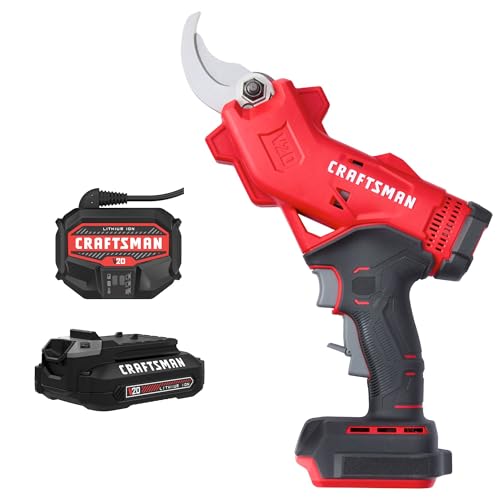
Powerful, cordless convenience: designed to deliver dependable performance

AMBIDEXTROUS DESIGN: Pruner shape is designed for both right and left-handed use while pruning indoor & outdoor plants such as shrubs, ornamental trees, vines, & flowers like roses; SoftGrip handle reduces hand fatigue & enhances comfort and control

TREE & SHRUB PRUNING SET: Tree & Shrub Pruning Set with (1) Bypass Pruning Shears, (1) Bypass Lopper and (1) Folding Pruning Saw
Inspect Your Tree Regularly
Regularly check your kiwi tree for dead or diseased branches. Cut these off to prevent the spread of diseases and maintain tree vigor.
Choose the Right Tools
Ensure you have the necessary tools: pruning shears, loppers, a pruning saw, gloves, safety gear, and disinfectant. Having the right tools makes pruning easier and more effective.
Winter Pruning for Growth
During winter, focus on shaping your kiwi tree and removing weak or unwanted branches. This encourages new growth and improves fruit production in the coming seasons.
Summer Pruning for Size Control
In summer, trim back excessive growth to manage the size of your tree. This helps maintain a manageable shape and enhances air circulation around the foliage.
Training Lateral Branches
Encourage the growth of strong lateral branches by pruning strategically. This helps distribute fruiting wood evenly and ensures a balance in fruit production.
Prune Sparingly During Frosty Periods
Avoid heavy pruning during frosty periods as it can make your tree more susceptible to cold damage. Instead, focus on removing dead or damaged branches for tree health.
Monitor Growth and Adjust Pruning
Regularly monitor your tree’s growth throughout the year. Make adjustments to your pruning routine based on the tree’s development to promote optimal health and fruit yield.
Tips for Maintaining a Healthy Kiwi Tree Post-Pruning
After successfully pruning your kiwi tree, it’s essential to focus on maintaining its health to ensure optimal growth and fruit production. Here are some practical tips to help you care for your kiwi tree post-pruning:
Monitor Growth and Development Regularly
Keep a close eye on your kiwi tree to track its progress and adjust your maintenance practices accordingly. Regular inspections can help you identify any issues early on and address them promptly.
Provide Proper Watering
Ensure your kiwi tree receives sufficient water, especially during dry spells. Proper watering is crucial for supporting newly pruned branches and promoting overall tree health.
Apply Fertilizer as Needed
Depending on the soil quality and the tree’s growth stage, consider fertilizing your kiwi tree to provide essential nutrients for healthy development. Follow recommended guidelines for the type and amount of fertilizer to use.
Control Weeds and Mulch
Keep the area around your kiwi tree free of weeds that can compete for nutrients and water. Adding a layer of mulch can help retain moisture, regulate soil temperature, and reduce weed growth.
Protect Against Pests and Diseases
Be proactive in preventing pests and diseases by implementing appropriate measures such as using organic pesticides or seeking professional advice if needed. Healthy trees are more resistant to infections.
Support Lateral Branches
Continue training and supporting lateral branches to promote a balanced canopy and encourage fruit production. Properly trained branches contribute to the overall structural integrity of the tree.
Prune Wisely
While post-pruning care is essential, avoid over-pruning your kiwi tree. Focus on maintenance pruning to remove damaged or crowded branches while preserving the tree’s natural shape and structure.
Adjust Pruning Based on Growth
As your kiwi tree continues to grow, adapt your pruning techniques to accommodate its development. Tailor your approach to encourage desired growth patterns and fruit production.
By following these tips for maintaining a healthy kiwi tree post-pruning, you can support the tree’s growth, maximize fruit yield, and enhance its overall well-being. Remember to stay observant and proactive in caring for your kiwi tree to enjoy its benefits for years to come.
Conclusion
You’ve learned the essential steps to prune your kiwi tree effectively, ensuring its health and productivity. By following the guide provided in the article, you can maintain vigor, shape, and encourage strong lateral branches. Remember to implement both winter and summer pruning techniques for optimal growth and fruit production. Post-pruning care is crucial, so keep an eye on growth, provide adequate water and nutrients, manage weeds, protect against pests and diseases, and support lateral branches. Adjust your pruning strategy as needed based on the tree’s development. By prioritizing the well-being of your kiwi tree post-pruning, you’ll enjoy a bountiful harvest and a thriving plant.
Frequently Asked Questions
Why is pruning important for kiwi trees?
Pruning is crucial for kiwi trees to maintain vigor, shape, and encourage strong lateral branches. It helps in promoting growth, fruit formation, and overall health of the tree.
When is the best time to prune kiwi trees?
Winter is the ideal time for pruning kiwi trees to stimulate growth and fruit production. Summer pruning can be done for size control and shaping the tree.
What post-pruning care tips should be followed?
After pruning, it is essential to monitor growth, ensure proper watering and fertilization, control weeds, protect against pests and diseases, support lateral branches, and adjust pruning based on tree growth. This helps in maximizing fruit yield and maintaining tree health.
How do I know my kiwi tree is healthy post-pruning?
A healthy kiwi tree post-pruning will exhibit vigorous growth, abundant fruit production, and strong lateral branches. Regular monitoring and care following pruning will help maintain its well-being.
