

Curious if you can grow kiwi in Florida? Picture this: you’re dreaming of cultivating your own juicy, sun-ripened kiwi fruits in your backyard, but you’re not sure if the tropical climate of Florida is suitable.
In this article, you’ll discover the secrets to successfully growing kiwi in Florida. You’ll learn about the specific requirements, potential challenges, and expert tips to help you nurture thriving kiwi plants right in your own garden. Exciting, right? Let’s explore how you can turn your kiwi-growing dreams into a fruitful reality in the Sunshine State.
Key Takeaways
- Kiwi plants, including fuzzy and hardy varieties, can be successfully grown in Florida with proper care and attention to specific requirements.
- Adequate sunlight, well-draining soil with the right pH level, consistent watering, and proper trellising are essential for nurturing thriving kiwi plants.
- Understanding the importance of pollination, trellising techniques, pruning, and frost protection is key to ensuring successful fruit production in Florida.
- Selecting suitable kiwi varieties like hardy kiwi, Arctic kiwi, Issai kiwi, Vincent kiwi, and Ken’s Red kiwi can optimize growth and harvest in the state’s tropical climate.
- Pay attention to the unique climatic conditions in Florida, such as warm temperatures, humidity levels, rainfall patterns, sunlight exposure, and potential hurricane risks, to adapt cultivation practices accordingly for healthy kiwi plants.
- Soil preparation, nutrient management, proper planting techniques, watering and fertilizing schedules, along with regular care practices, are crucial for growing kiwi plants in Florida and overcoming common challenges like climate adaptation, pollination requirements, disease management, pest control, and pruning difficulties.
Overview of Kiwi Plant
Let’s delve into the essential aspects of growing kiwi plants in Florida to help you kickstart your own kiwi project in the Sunshine State.
Kiwi Plant Varieties
There are mainly two types of kiwi plants suitable for cultivation: the fuzzy kiwi (Actinidia deliciosa) and the hardy kiwi (Actinidia arguta). While fuzzy kiwis are more common in grocery stores, hardy kiwis are smaller, smoother, and can thrive in warmer climates like Florida.
Soil Requirements
Kiwi plants prefer well-draining soil with a pH level between 5.0 and 6.5. To enhance soil quality, consider adding organic matter such as compost or peat moss to promote healthy growth.
Sunlight Needs
Kiwi plants thrive in full sunlight. Ensure your kiwi plant receives at least 6-8 hours of direct sunlight daily to support robust fruit production.
Watering Schedule
Establish a consistent watering schedule for your kiwi plant. Water deeply but infrequently to encourage deep root growth. During dry spells, increase watering frequency to maintain soil moisture.
Pollination Process
Kiwi plants are dioecious, meaning you need both male and female plants for successful pollination and fruit production. Be sure to plant at least one male kiwi plant for every 4-8 female plants.
Trellising Techniques
Kiwi plants are vigorous climbers that require sturdy trellises for support. Train the vines along the trellis to optimize sun exposure, improve air circulation, and facilitate harvesting.
Pruning and Maintenance
Regular pruning is essential to manage the size of the kiwi plant, promote fruiting wood, and maintain plant health. Prune during the dormant season to remove dead or overgrown branches.
Frost Protection
While kiwi plants can tolerate a light frost once established, young plants are sensitive to cold temperatures. Protect young kiwi plants from frost by covering them with frost cloth or bringing them indoors during cold snaps.
Fertilization Tips
Apply a balanced fertilizer with a higher nitrogen content in the spring to support vegetative growth. Transition to a phosphorus-rich fertilizer in the summer to encourage fruit development.
Pest and Disease Management
Keep an eye out for common pests like aphids, spider mites, and scales, which can infest kiwi plants. Implement integrated pest management strategies and monitor plant health regularly.
Climatic Conditions in Florida
In Florida, the climate plays a crucial role in determining the success of kiwi cultivation. The tropical climate in Florida offers both advantages and challenges for growing kiwi plants.
Warm Temperatures: Florida’s warm temperatures create a favorable environment for kiwi plants to thrive. Kiwis require a long growing season with warm temperatures to produce fruits successfully.
Humidity: The high humidity levels in Florida can benefit kiwi plants, especially during the growing season. However, excessive humidity may also increase the risk of fungal diseases, requiring proper management.
Rainfall: Adequate rainfall is essential for the growth of kiwi plants. Florida’s rainy season can provide much-needed moisture, but it’s vital to ensure proper drainage to prevent waterlogging.
Sunlight: Kiwi plants in Florida require ample sunlight for optimal growth and fruiting. Ensure your kiwi plants receive at least 6-8 hours of sunlight daily for robust development.
Hurricanes: The hurricane season in Florida can pose a threat to kiwi plants. It’s important to secure trellises and structures to protect kiwi vines during severe weather conditions.
Microclimates: Florida’s diverse microclimates result in varying conditions across the state. Consider the specific microclimate of your location when planting kiwi to optimize growing conditions.
Temperature Fluctuations: While Florida enjoys warm temperatures, occasional cold snaps can occur, especially in northern regions. Take precautions to protect kiwi plants from frost damage during colder periods.
By understanding and adapting to the climatic conditions in Florida, you can enhance the success of your kiwi cultivation efforts. Adjusting your cultivation practices to suit Florida’s unique climate will help you grow healthy kiwi plants and enjoy a bountiful harvest.
Kiwi Varieties Suitable for Florida
When it comes to growing kiwi in Florida, you must select the appropriate kiwi varieties that are well-suited to the state’s tropical climate. Here are some kiwi varieties that thrive in Florida:
Recommended Products

*Hardy Kiwi 'Issai' (Actinidia arguta) The smooth skinned green fruit are the size of grapes and taste like a sweet tropical kiwi without the fuzzy skin.<br>
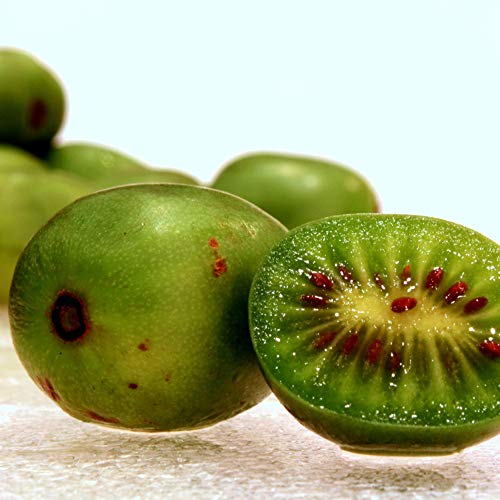
Premium quality fruiting vine seeds package containing 10 Hardy Kiwi seeds, yielding smooth-skinned kiwi berries with sweet-tart flavor on vigorous, cold-hardy climbing vines for trellises, arbors, and edible landscapes.
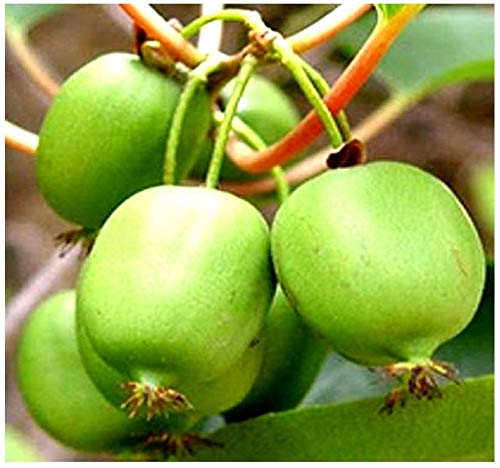
1. Hardy Kiwi (Actinidia arguta)
Hardy kiwi, also known as baby kiwi, is a smaller and smoother variety compared to the fuzzy kiwi. It is well-adapted to Florida’s climate, especially in the northern regions of the state where cold tolerance is essential. Hardy kiwi plants are vigorous climbers that produce sweet and tangy fruits.
2. Arctic Kiwi (Actinidia kolomikta)
Arctic kiwi, also called kolomikta kiwi, is another variety suitable for Florida’s climate. These kiwi plants are known for their striking variegated foliage along with their flavorful fruits. Arctic kiwi vines are cold-hardy and can withstand the occasional chilly temperatures in certain parts of Florida.
3. Issai Kiwi (Actinidia arguta ‘Issai’)
Issai kiwi is a self-pollinating variety of hardy kiwi that is ideal for home gardeners in Florida. These kiwi plants do not require cross-pollination, making them a convenient choice for smaller growing spaces. Issai kiwi vines bear smooth-skinned fruits rich in flavor.
4. Vincent Kiwi (Actinidia arguta ‘Vincent’)
Vincent kiwi is a male cultivar of the hardy kiwi species, essential for pollinating female kiwi plants in Florida. These male vines produce an abundance of pollen, aiding in the successful pollination and fruit set of female kiwi vines. Vincent kiwi is a reliable pollinator for fruit-bearing kiwi varieties.
5. Ken’s Red Kiwi (Actinidia arguta ‘Ken’s Red’)
Ken’s Red kiwi is a unique variety that produces red-fleshed kiwi fruits, adding a vibrant touch to your garden in Florida. Known for its exceptional taste and attractive color, Ken’s Red kiwi vines require proper care and maintenance to ensure bountiful harvests in the subtropical conditions of Florida.
Soil Requirements for Kiwi Plants in Florida
To ensure successful kiwi growth in Florida, it’s crucial to pay attention to the soil conditions in which you plan to cultivate these fruits. Here are some key considerations for the soil requirements of kiwi plants in Florida:
Well-Drained Soil
When planting kiwi in Florida, opt for well-drained soil to prevent waterlogging, which can be detrimental to kiwi plants’ growth. Excess water around the roots can lead to root rot, affecting the overall health of the plant.
pH Level
Kiwi plants prefer slightly acidic soil with a pH level between 5.5 and 7.0. Testing the soil pH can help you determine if any amendments are necessary to create an optimal growing environment for your kiwi plants.
Organic Matter
Incorporating organic matter, such as compost or well-rotted manure, into the soil can improve its structure and fertility. Organic matter helps retain moisture, promotes beneficial microbial activity, and provides essential nutrients for kiwi plants.
Nutrient Requirements
Kiwi plants have specific nutrient requirements to support their growth and fruit production. Ensure the soil is rich in essential nutrients such as nitrogen, phosphorus, and potassium. You may need to supplement the soil with appropriate fertilizers based on soil test results.
Soil Texture
The ideal soil texture for kiwi plants is loamy soil, which provides a good balance of drainage and moisture retention. Sandy soils drain quickly but may require more frequent irrigation, while clay soils can be too compacted, affecting root development.
Mulching
Applying mulch around kiwi plants helps retain soil moisture, regulate soil temperature, suppress weeds, and improve overall soil health. Consider using organic mulches like straw, wood chips, or compost to provide these benefits to your kiwi plants.
By ensuring your kiwi plants have the right soil conditions in Florida, you can create an optimal environment for their growth and increase the likelihood of a bountiful harvest. Proper soil management is key to supporting the healthy development of kiwi plants in your garden.
Planting and Care Tips
When it comes to planting and caring for kiwi in Florida, here are some essential tips to ensure your kiwi plants thrive in the Sunshine State:
Recommended Products

🌑[Plant Growth Support]:Garden plant trellis are committed to helping your indoor for potted plants and adds to the natural beauty. As plants grow, the houseplant trellis takes the form of a ladder to help your plant climbing and growing.

Package Contents - 20pcs crosshead hubs(for 5/64'' or 2mm cable), 5/64" x 98.43ft wire rope, 20 plastic expansion anchors, 20pcs washers, 80 PVC end caps, a small bundle of plant ties, 1 masonry drill bit, 1 Allen key, 1 all-purpose spanner, 1 instruction manual, trellis system calculator included. We offer a lifetime after-sales guarantee

Package Contents - 20pcs crosshead hubs(for 1/8" cable), 1 cable cutter, 98' x 1/8" wire rope, 20 plastic expansion anchors, 20pcs washers, 80 PVC end caps, a small bundle of plant ties, 1 masonry drill bit, 1 Allen key, 1 all-purpose spanner, 1 instruction manual, trellis system calculator included
1. Selecting the Right Location
- Choose a planting site with full sun exposure to promote optimal growth and fruit production.
- Ensure there is proper drainage to prevent waterlogging, as kiwi plants do not thrive in waterlogged conditions.
2. Soil Preparation
- Prior to planting, test the soil pH to ensure it falls within the recommended range of 5.0 to 6.5 for kiwi cultivation.
- Incorporate organic matter such as compost or well-rotted manure into the soil to improve its fertility and structure.
- Consider adding essential nutrients like nitrogen, phosphorus, and potassium based on soil test results to meet the plant’s nutritional requirements.
3. Planting Kiwi Vines
- Plant kiwi vines in spring to allow them to establish before the hot summer months.
- Ensure proper spacing between plants, typically 10 to 20 feet apart, to provide adequate room for growth and support structures.
- Install trellises or other support systems for the vines to climb and receive sufficient sunlight.
4. Watering and Fertilizing
- Provide consistent moisture to kiwi plants, especially during flowering and fruit development stages.
- Mulch around the base of the plants to retain soil moisture and regulate temperature.
- Fertilize kiwi plants regularly with a balanced fertilizer to support healthy growth and fruit production.
- Prune kiwi vines in late winter to remove dead or diseased wood and promote new growth.
- Train the vines along the support structures to improve air circulation and sunlight exposure.
- Monitor for pests and diseases regularly, taking prompt action to prevent any potential damage.
By following these planting and care tips, you can successfully grow kiwi in Florida and enjoy a bountiful harvest of delicious fruits in your own backyard.
Common Challenges in Growing Kiwi in Florida
Growing kiwi in Florida can be a rewarding experience, but it also comes with some challenges that you need to be aware of to ensure successful cultivation. Here are common challenges you may face when growing kiwi in the Florida climate:
1. Climate Adaptation
Florida’s warm and humid climate is not ideal for all kiwi varieties. Kiwi plants typically thrive in moderate temperatures with distinct seasons, unlike the consistent warmth of Florida. To overcome this challenge, consider planting kiwi varieties that are more tolerant of the subtropical climate of Florida, such as the Actinidia arguta (hardy kiwi) or certain hybrid varieties.
2. Pollination Requirements
Kiwi plants are dioecious, meaning they have separate male and female plants. Proper pollination is essential for fruit development. In Florida, where the climate may not be conducive to attracting pollinators, hand pollination may be necessary to ensure a good yield. Be prepared to hand-pollinate female kiwi flowers with pollen from male plants if natural pollinators are scarce.
3. Disease Management
Florida’s warm and humid conditions can create a favorable environment for plant diseases. Kiwi plants are susceptible to various diseases, including bacterial canker, root rot, and leaf spot. Implementing good cultural practices such as proper spacing, adequate air circulation, and regular inspections can help prevent and manage diseases effectively.
4. Pest Control
Florida’s diverse ecosystem is home to various pests that can affect kiwi plants. Common pests such as aphids, mites, and scale insects can damage the foliage and fruit of kiwi vines. Regular monitoring, early detection, and the use of organic or integrated pest management strategies can help keep pest populations under control without harming the environment.
5. Pruning Challenges
Proper pruning is crucial for kiwi vines to promote fruit production and maintain manageable growth. However, pruning can be challenging, especially for first-time growers. Learning the correct techniques for winter and summer pruning, understanding the plant’s growth habits, and seeking guidance from local agricultural extensions can help you master the art of pruning kiwi plants effectively.
Conclusion
Growing kiwi in Florida may present its challenges, but with the right knowledge and strategies, you can successfully cultivate these delicious fruits in your own backyard. From selecting suitable varieties to managing pests and diseases, the key lies in understanding the unique requirements of kiwi plants in Florida’s warm and humid climate. By following the tips provided in this guide, you can overcome these challenges and enjoy a thriving kiwi garden that rewards you with a bountiful harvest. Remember, with patience and proper care, you can turn your garden into a haven for these exotic fruits. Happy gardening!
Frequently Asked Questions
What are the suitable varieties of kiwi to grow in Florida?
In Florida, Hayward and Anna are the two most popular kiwi varieties recommended for cultivation due to their adaptability to warm subtropical climates.
What are the key soil requirements for growing kiwi in Florida?
Kiwi plants thrive best in well-drained soil with a slightly acidic pH level between 6.0 to 6.5. Amending the soil with organic matter like compost can improve drainage and fertility.
How should kiwi plants be planted in Florida?
Kiwi plants should be planted in a sunny location with access to irrigation and consistent moisture. They require sturdy support structures like trellises for proper growth and vine training.
How can one effectively manage diseases while growing kiwi in Florida?
Practicing good cultural techniques like proper spacing, adequate air circulation, and fungal disease prevention through copper sprays can help manage common diseases such as root rot and powdery mildew.
What pests should one monitor for when growing kiwi in Florida?
Some common pests to monitor and control when growing kiwi in Florida include aphids, scales, and spider mites. Regular inspection and integrated pest management strategies are essential.
What are the recommended pruning techniques for kiwi plants in Florida?
Pruning should focus on maintaining a balance between vegetative growth and fruit production. Annual winter pruning to remove old wood and encourage new growth is crucial for optimal fruit-bearing.
