

Are you dreaming of juicy grapefruits straight from your backyard? Picture this: a sunny California morning, birds chirping, and the scent of fresh citrus in the air. But when is the perfect time to plant those grapefruit trees to make this dream a reality?
Imagine effortlessly growing your own vibrant grapefruits, knowing exactly when to sow the seeds for a bountiful harvest. In this article, you’ll discover the precise timing to plant grapefruit trees in California, ensuring your garden flourishes with these delicious fruits.
By following the guidance provided here, you’ll be equipped to kickstart your grapefruit-growing journey with confidence. Let’s explore the ideal planting schedule for grapefruit trees in California together.
Key Takeaways
- Planting Season: Optimal time to plant grapefruit trees in California is in late winter to early spring (February to April) for healthy root development.
- Sunlight Requirements: Grapefruit trees require 8 to 12 hours of direct sunlight daily for optimal growth and fruit production.
- Regional Considerations: Planting time varies based on California’s diverse climate zones – late winter for coastal areas, early spring for inland valleys and deserts, and late spring for mountainous regions.
- Planting Steps: Choose suitable grapefruit tree varieties, plant in well-draining soil, water deeply, and provide care such as pruning and fertilization for successful growth.
- Common Mistakes to Avoid: Ensure proper soil preparation, planting depth, watering regimen, mulching, regular pruning, and pest management to prevent issues and promote healthy tree development in your orchard.
Overview of Grapefruit Trees in California
When considering planting grapefruit trees in California, it’s crucial to understand the specifics of grapefruit tree growth and cultivation in the Golden State.
Climate Considerations
In California, grapefruit trees thrive in subtropical to tropical climates with warm days and mild winters. Coastal regions of Southern California, including areas like San Diego, are particularly suitable for grapefruit cultivation due to their favorable climate conditions.
Soil Requirements
Grapefruit trees in California prefer well-draining soil with a slightly acidic to neutral pH level. Sandy loam or sandy clay loam soils are ideal for grapefruit tree growth, allowing roots to develop adequately and access essential nutrients.
Planting Season
For successful grapefruit tree establishment, the optimal time to plant in California is in late winter to early spring. This timeframe, typically from February to April, allows the tree to acclimate before the warmer months, promoting healthy root development and robust growth.
Sunlight Needs
To flourish and produce quality fruit, grapefruit trees require full sun exposure. When planting in California, ensure the selected planting location receives at least 8 to 12 hours of direct sunlight daily to support optimal photosynthesis and fruit production.
Watering Regimen
Proper watering is essential for grapefruit trees in California to thrive. During the initial planting phase, provide regular deep watering to encourage root establishment. Once established, maintain a consistent watering schedule, ensuring soil moisture without waterlogging the roots.
Maintenance Tips
Regular pruning, fertilization, and pest management are critical aspects of caring for grapefruit trees in California. Pruning helps maintain tree structure and enhance fruit production, while fertilization provides necessary nutrients for healthy growth. Additionally, proactive pest control measures safeguard the tree from common California citrus pests.
By understanding these key aspects of grapefruit tree cultivation in California, you can embark on a successful journey of planting and nurturing vibrant grapefruit trees in your garden.
Best Time to Plant Grapefruit Trees in California
When considering the best time to plant grapefruit trees in California, you’ll want to take into account the state’s diverse climate zones. The optimal timing for planting grapefruit trees may vary slightly depending on the specific region within California.
Recommended Products

For sale is one Ruby Red Grapefruit seedling that is approximately 2 to 5 inches tall and shipped in a pot

Package: 5 Individual Packs, 40+ Lemon Tree Seeds 40+ Cherry Tree Seeds 40+ Orange Tree Seeds 40+ Apple Seeds 20+ Blueberry Seeds

Product Quantity: 180+ premium bonsai fruit seeds across 5 varieties; Individual packs contain 40+ apple, 40+ lemon, 40+ orange, 20+ blueberry, and 40+ cherry seeds; Perfect for starting a diverse miniature orchard
Coastal Regions:
In coastal areas of California, such as San Francisco or Los Angeles, the best time to plant grapefruit trees is in late winter to early spring. During this period, the weather is milder, and the soil has warmed up enough to promote healthy root growth for the young trees.
Inland Valleys:
For inland valleys like the Central Valley, including cities like Fresno or Bakersfield, the ideal timeframe for planting grapefruit trees is similar to coastal regions. Late winter to early spring allows the trees to establish themselves before the onset of the hot summer months.
Desert Regions:
In desert regions like Palm Springs or Death Valley, where temperatures can be extreme, it’s advisable to plant grapefruit trees in late winter. This timing helps the trees take root before the scorching summer heat sets in, ensuring they have a better chance of survival.
Mountainous Areas:
In mountainous regions such as the Sierra Nevada or the San Gabriel Mountains, where temperatures can be cooler, aim to plant grapefruit trees in early spring. This timing gives the trees a chance to acclimate to their new environment before the colder winter months.
By aligning your planting schedule with these regional considerations, you give your grapefruit trees the best opportunity to thrive in California’s varied climates. Remember to provide proper care, including regular watering, sufficient sunlight exposure, and timely maintenance tasks, to ensure the successful growth of your grapefruit trees.
Steps to Planting Grapefruit Trees in California
To plant grapefruit trees in California successfully, follow these steps tailored to the diverse climates of the region:
Recommended Products

COMPLETE 3-IN-1 CITRUS NUTRITION KIT - Everything Your Trees Need Professional-grade fertilizer system includes slow-release NPK granules (6-month supply), liquid micronutrient concentrate (makes 32oz), and calcium supplement (makes 32oz). Specially formulated for lemon, orange, lime, grapefruit, and all citrus varieties in containers and pots.
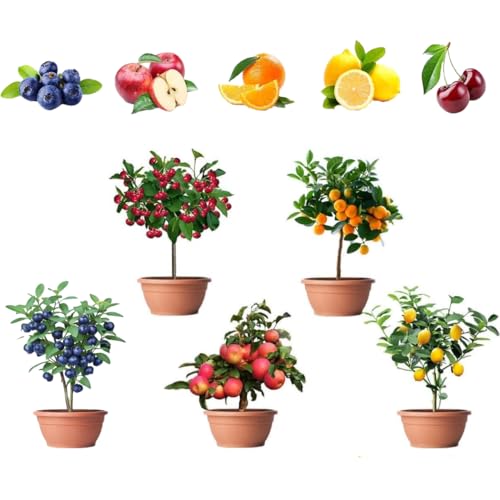
Variety Pack of 5 Fruits: Includes 40 Lemon seeds, 40 Orange seeds, 40 Apple seeds, 20 Cherry seeds, and 20 Blueberry seeds for a colorful and diverse home garden

Zones: 5 to 7 Germination Range: 50-70%
1. Choose the Right Variety:
Select a grapefruit tree variety suitable for California’s climate, such as Marsh White, Rio Red, or Star Ruby, ensuring it is compatible with your specific region’s conditions.
2. Determine the Planting Time:
Plant grapefruit trees in late winter to early spring for optimal growth based on your specific California region:
- Coastal Areas (e.g., San Francisco): Late winter planting.
- Inland Valleys (e.g., Fresno): Early spring planting.
- Desert Regions (e.g., Palm Springs): Early spring planting.
- Mountainous Areas (e.g., Sierra Nevada): Delay planting until late spring due to colder temperatures.
3. Prepare the Planting Site:
Choose a sunny location with well-draining soil for your grapefruit tree. Ensure the area is free from competition with other plants and has sufficient space to accommodate the tree’s growth.
4. Dig the Planting Hole:
Dig a hole twice as wide and the same depth as the tree’s root ball. Loosen the soil in the hole to improve root penetration and enhance drainage.
5. Plant the Tree:
Carefully remove the tree from its container, gently loosen the roots, and place it in the center of the hole. Backfill the hole with soil, tamp it down gently to remove air pockets, and water thoroughly.
6. Mulch and Water:
Apply a layer of organic mulch around the base of the tree to retain moisture and regulate soil temperature. Water the tree deeply immediately after planting and maintain regular watering to support healthy growth.
7. Provide Care and Maintenance:
Monitor the tree for signs of stress, adjust watering as needed, and fertilize according to a recommended schedule. Prune the tree to promote strong branching and remove dead or diseased branches.
By following these steps and providing proper care, you can plant grapefruit trees in California successfully, ensuring they thrive in the diverse climates of the state.
Common Mistakes to Avoid When Planting Grapefruit Trees in California
When planting grapefruit trees in California, avoiding common mistakes can significantly impact the success of your orchard. Here are essential pitfalls to steer clear of to ensure healthy tree growth and bountiful harvests:
Recommended Products
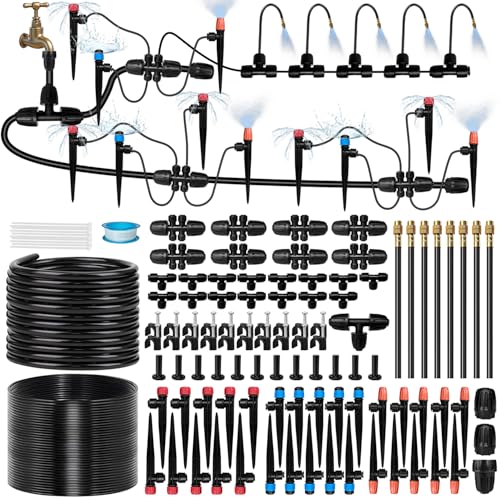
【Upgraded Tube Design & Water Saving】 Our garden watering system is upgraded to 1/2” diameter to support high water pressure. The 1/2” tee connector allows seamless splitting into 2 independent zones for customized watering schedules. By delivering moisture directly to root zones, this drip Irrigation system significantly reduces evaporation and runoff—saving more water compared to conventional sprinklers while eliminating the need for manual watering.

NO MORE HARD INSTALLATION - SET UP IN MINUTES. Tired of struggling with stiff barbed fittings? This drip irrigation system features quick-connect fittings that let you push, lock, and secure tubing effortlessly. No tools, no leaks, just a smooth setup experience. Enjoy a frustration-free installation and get your garden watering system running in minutes.
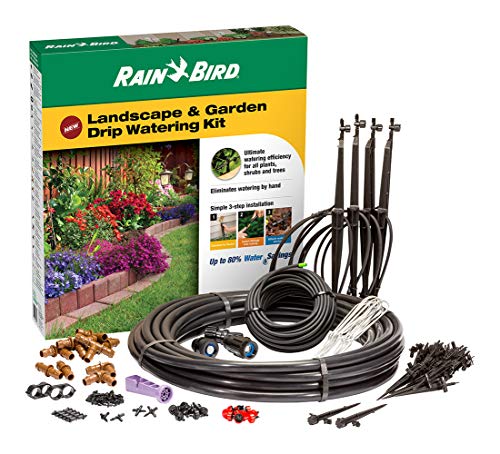
Comprehensive 108-piece kit for flower beds, gardens and landscaped areas; eliminates hand watering, saves time and money
Neglecting Soil Preparation
Starting with the wrong soil can hinder the tree’s development. Ensure your planting site has well-draining soil that allows excess water to flow away from the roots. Testing the soil’s pH level before planting can help you make necessary amendments for optimal tree growth.
Improper Planting Depth
Planting your grapefruit tree too deep or too shallow can stunt its growth. Remember, the tree should be planted at the same depth as it was in the nursery container. Do not cover the graft union with soil as it may lead to rootstock growth instead of the desired fruiting variety.
Over or Under-Watering
Maintaining a consistent watering schedule is crucial for young grapefruit trees. Over-watering can lead to root rot, while under-watering can cause stress and hinder fruit production. Water deeply but infrequently to promote deep root growth.
Lack of Mulching
Mulching helps retain moisture, regulate soil temperature, and suppress weed growth around the tree’s base. Failure to apply mulch can result in water loss, temperature fluctuations, and competition with weeds for nutrients, ultimately affecting tree health.
Skipping Regular Pruning
Pruning is essential for tree health, structure, and fruit production. Failure to prune your grapefruit tree can lead to overcrowding, poor air circulation, and decreased sunlight exposure. Regular pruning helps maintain tree shape, removes diseased or crossing branches, and stimulates new growth.
Ignoring Pest and Disease Management
Pests and diseases can jeopardize the health of your grapefruit tree. Implementing proactive pest management strategies can prevent infestations and diseases that may weaken the tree and reduce fruit quality. Regularly inspect your tree for signs of pests and diseases and take appropriate measures promptly.
By avoiding these common mistakes and following proper planting and care practices, you can set the foundation for a thriving grapefruit orchard in California.
Conclusion
Planting grapefruit trees in California requires careful consideration of regional climate variations. By following the best planting times for your specific California region and implementing proper planting and care techniques, you can establish a successful grapefruit orchard. Remember to select the right variety, prepare the planting site diligently, and provide consistent care to avoid common mistakes like improper watering and neglecting soil preparation. With attention to detail and regular maintenance, you can enjoy the fruits of your labor with a thriving grapefruit orchard in California. Happy planting!
Frequently Asked Questions
1. What is the best time to plant grapefruit trees in California?
The best time to plant grapefruit trees in California varies by region. In Southern California, plant in late winter to early spring, while in Central and Northern California, plant in early spring to early summer.
2. How do I choose the right grapefruit tree variety for planting in California?
Select a grapefruit tree variety suitable for California’s climate, such as Star Ruby, Rio Red, or Marsh White. Consider factors like frost tolerance, disease resistance, and fruit quality.
3. What are the key steps for planting grapefruit trees in California?
Prepare the planting site by ensuring well-draining soil and adequate sunlight. Dig a hole twice as wide and deep as the root ball, gently place the tree, backfill with soil, and water thoroughly.
4. What common mistakes should I avoid when planting grapefruit trees in California?
Avoid mistakes like improper planting depth, over or under-watering, lack of mulching, skipping regular pruning, neglecting soil preparation, and ignoring pest and disease management.
5. How can I ensure the successful cultivation of grapefruit trees in California?
Provide ongoing care by watering deeply and infrequently, applying fertilizer as needed, mulching to retain moisture, pruning to shape the tree and remove dead wood, and monitoring for pests and diseases.
