

Are you dreaming of juicy, sun-kissed grapefruits growing in your backyard? Picture this: a Florida morning, the scent of citrus in the air, and your homegrown grapefruit tree laden with ripe fruits. But when is the best time to plant these tropical treasures in the Sunshine State?
Timing is key when it comes to planting grapefruit trees in Florida. Understanding the optimal season for planting can make all the difference in the success of your citrus garden. In this article, we’ll guide you through the ideal planting window, ensuring your grapefruit tree thrives in Florida’s unique climate.
Get ready to cultivate your own slice of paradise and enjoy the fruits of your labor. Let’s explore the perfect timing for planting grapefruit trees in Florida, so you can start your citrus-growing journey with confidence.
Key Takeaways
- Ideal Planting Time: Plant grapefruit trees in Florida during spring months, between March and April, to allow for root system establishment before the hot summer.
- Selecting the Right Location: Choose a sunny spot with well-draining soil for at least 6-8 hours of sunlight daily.
- Soil Preparation: Ensure the soil is rich in nutrients, slightly acidic to neutral pH (6.0-7.5), and well-draining by adding organic matter like compost.
- Planting Process: Dig a hole twice as wide and deep as the root ball, gently place the tree, backfill with soil, and water thoroughly for establishment.
- Ongoing Care: Water regularly, especially in dry spells, fertilize with citrus fertilizer, and provide care to promote healthy growth and fruit development.
- Harvesting Tips: Wait for grapefruits to ripen fully before harvesting, twist and pull gently from the tree, store in a cool, dry place, and explore various ways to enjoy your homegrown grapefruits.
Overview of Grapefruit Trees in Florida
When considering planting grapefruit trees in Florida, certain factors must be taken into account to ensure the successful cultivation of these citrus trees in the state’s unique climate. Here’s an overview to guide you through the process:
Understanding Florida’s Climate
Florida’s climate is characterized by its warm temperatures, high humidity, and distinct wet and dry seasons. These conditions create an optimal environment for growing grapefruit trees, as they thrive in subtropical climates with plenty of sunlight and adequate moisture levels.
Ideal Planting Time
The best time to plant grapefruit trees in Florida is during the spring months, preferably between March and April. Planting during this period allows the trees to establish their root systems before the onset of the hot summer months, ensuring better growth and fruit production.
Selecting the Right Location
Choose a planting location that receives ample sunlight, as grapefruit trees require at least six to eight hours of sun exposure daily to grow and bear fruit successfully. Additionally, ensure the soil is well-draining to prevent waterlogging, which can lead to root rot.
Soil Preparation
Before planting your grapefruit tree, prepare the soil by ensuring it is rich in nutrients and has a slightly acidic to neutral pH level, ideally between 6.0 and 7.5. Incorporate organic matter such as compost or well-rotted manure to improve soil fertility and structure.
Planting Process
When planting your grapefruit tree, dig a hole twice as wide and just as deep as the tree’s root ball. Gently place the tree in the hole, backfill with soil, and water thoroughly to help the tree establish itself in its new environment.
Ongoing Care
After planting, provide ongoing care by watering your grapefruit tree regularly, especially during dry periods. Fertilize the tree with a balanced citrus fertilizer according to the recommended schedule to promote healthy growth and fruit development.
Conclusion
By understanding the optimal timing, location, soil requirements, and care practices for planting grapefruit trees in Florida, you can set the stage for a thriving citrus garden that will yield delicious fruits for years to come. Be sure to follow these guidelines to maximize the success of your grapefruit tree cultivation in Florida’s favorable climate.
Best Time to Plant Grapefruit Trees in Florida
When looking to plant grapefruit trees in Florida, timing is crucial for ensuring successful growth and fruitful harvests. Here’s a guide on the best time to plant grapefruit trees in the Sunshine State:
Recommended Products

For sale is one Ruby Red Grapefruit seedling that is approximately 2 to 5 inches tall and shipped in a pot

Thrives in well-drained soil, ensuring optimal growth conditions and longevity.
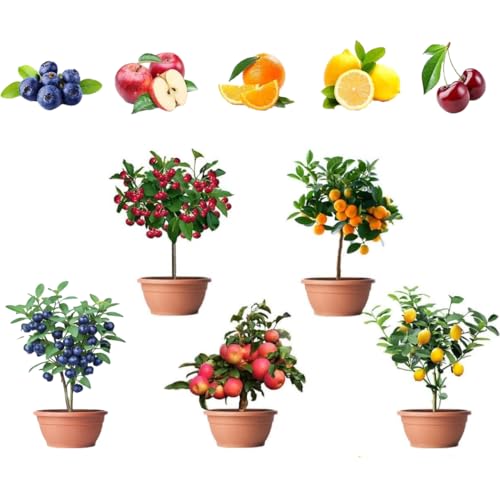
Variety Pack of 5 Fruits: Includes 40 Lemon seeds, 40 Orange seeds, 40 Apple seeds, 20 Cherry seeds, and 20 Blueberry seeds for a colorful and diverse home garden
Planting Season:
In Florida, the best time to plant grapefruit trees is in late winter to early spring. During this time, the soil is warming up, and the trees have ample time to establish their root systems before the hot summer months. Choosing the right season sets the stage for healthy growth and bountiful grapefruits.
Temperature Considerations:
Plant your grapefruit trees when the threat of frost has passed. Florida’s mild climate is ideal for citrus trees, but they can still be vulnerable to damage from sudden cold snaps. By planting after the risk of frost is minimal, you give your trees a better chance to thrive.
Rainfall Patterns:
Consider Florida’s rainfall patterns when planning your grapefruit tree planting. Aim to plant during a period when rainfall is consistent but not excessive. Proper moisture is vital for young trees, but too much water can lead to root rot. Keep an eye on the weather forecast before choosing your planting dates.
Root Growth Timing:
Planting in late winter or early spring allows the grapefruit trees to focus on root development before the demands of summer growth and fruit production. Strong roots are the foundation for healthy trees that can withstand various environmental stresses.
Nursery Availability:
Check with local nurseries for the availability of grapefruit tree varieties during the recommended planting season. Starting with healthy, quality saplings gives your trees a head start in adapting to their new environment and promotes better overall growth.
Conclusion:
By timing your grapefruit tree planting correctly, you give your trees the best chance to establish themselves and thrive in Florida’s unique climate. Remember to consider temperature, rainfall, and root growth timing for successful cultivation and a plentiful harvest of delicious grapefruits.
How to Plant Grapefruit Trees in Florida
Recommended Products

Revolutionary Anti-freeze Protection: Plant covers freeze protection is made of 100% Reliable non-woven thickened polypropylene fabric Because the frost cloth fabric Thickness is 3.2 oz/yd² thicker and warmer, tear resistant than less expensive 1.3 oz/yd² fabric. Provides up to 2° F(-17℃) frost protection. In winter, frost blankets for outdoor plants can form a insulation layer for plants to isolate cold air and retain the oxygen required for plant respiration

The Large plant cover is perfect for Plant size 55''-70"high and 84''-94" round, Heavy-weight FRCs (1.77oz./sq. yard): usually used to extend the growing season in spring and fall, allow 40%-60% light transmittance, and recommend 3°-8°F of freeze protection

[1.5oz/yd² Frost Cloth for Plant Freeze Protection]Made with 1.5oz/yd² per sq yd garden fabric, this frost cloth helps protect plants from frost, cold wind, and sudden temperature drops while allowing sunlight, air, and moisture to pass through.
Selecting the Right Spot
When planting grapefruit trees in Florida, choose a location that receives full sunlight for at least 8 hours a day. Ensure the area has well-draining soil to prevent waterlogging, which can harm the tree’s roots.
Digging the Hole
Dig a hole twice as wide and just as deep as the tree’s root ball. Loosen the soil around the hole to help the roots establish easily.
Planting the Tree
Carefully remove the tree from its container and place it in the center of the hole. Position the tree so that the base of the trunk is level with the surrounding soil. Backfill the hole with the soil you removed while ensuring there are no air pockets around the roots.
Watering and Mulching
After planting, water the tree deeply to help it settle into its new home. Apply a layer of organic mulch around the base of the tree, leaving a few inches of space around the trunk to prevent rot.
Supporting the Tree
Stake the tree if needed to provide support against strong winds. Use a flexible tie to secure the tree to the stake, allowing some movement for natural growth.
Monitoring and Care
Regularly water the tree, especially during dry spells, to keep the soil consistently moist but not waterlogged. Prune dead or damaged branches to promote healthy growth.
Frost Protection
In case of frost, cover the tree with a frost cloth or blanket to protect it from extreme cold temperatures.
Fertilizing
Fertilize the tree with a citrus-specific fertilizer according to the package instructions. Apply the fertilizer in divided doses during the growing season for optimal results.
By following these steps, you can ensure your grapefruit tree has a strong start and thrives in Florida’s climate, leading to a plentiful harvest of delicious grapefruits.
Caring for Grapefruit Trees in Florida
Recommended Products

THICKER MATERIAL: Our plant freeze protection cover is made of UV stabilized polypropylene. Upgraded thicker 0.9oz./sq.yard lightweight but durable. Soft plant covers are friendly and no harm to your plants. Breathable non-woven fabric allow light, air go through the frost cloths and reach the plants.

The small plant cover is perfect for Plant size 16''-23"high and 36''-46" round, Heavy-weight FRCs (1.77oz./sq. yard): usually used to extend the growing season in spring and fall, allow 40%-60% light transmittance, and recommend 3°-8°F of freeze protection

BETTER SOLUTION FOR DOING ORGANIC GARDENING:If you are doing organic gardening, or just want to reduce pesticide use, Remiawy shrub winter covers are the better choice for you. Reusable season after season,this quality winter shrub cover is made from tear-proof and breathable fabric. The material allows air and moisture to reach plants. Remiawy plant covers for animal protection will help protect branches buds and fruits from hungry deer,rabbits,worms and birds
Watering Requirements
Water your grapefruit tree deeply but infrequently. It’s crucial to water the tree regularly, especially during dry spells, but be cautious not to overwater. Check the moisture level in the soil before watering to avoid waterlogged conditions, which can harm the roots.
Mulching Benefits
Apply a layer of mulch around the base of the grapefruit tree. Mulch helps retain moisture in the soil, regulates the temperature, suppresses weed growth, and provides nutrients as it decomposes. Use organic mulch like wood chips or bark, and ensure it doesn’t touch the tree trunk directly.
Wind Protection
Support your grapefruit tree against strong winds. Florida’s weather can sometimes be windy, which may damage the tree or its fruits. Stake the tree when planting, or install windbreaks if the tree is already established. Protecting the tree from strong winds ensures its stability and growth.
Monitoring and Care
Regularly inspect your grapefruit tree for pests, diseases, or nutrient deficiencies. Address any issues promptly to prevent them from affecting the tree’s health or fruit production. Keep an eye on the overall growth, foliage color, and any changes that might indicate a problem.
Frost Protection
During colder months, provide frost protection for your grapefruit tree. Frost can damage the tree, especially young plants. Cover the tree with frost cloth or blankets before the temperatures drop at night. Protecting the tree from frost ensures its survival and prevents cold-related damage.
Fertilizing Guidelines
Fertilize your grapefruit tree with a citrus-specific fertilizer. Follow the recommended dosage and application instructions, usually in late winter or early spring before the growing season. Fertilizing provides essential nutrients for healthy growth and fruit development. Avoid over-fertilizing, as it can harm the tree.
Pruning Practices
Prune your grapefruit tree to maintain its shape, remove dead or diseased branches, and improve air circulation. Pruning should be done in late winter or early spring before new growth appears. Use sharp, clean tools to make precise cuts without causing damage to the tree. Proper pruning promotes fruit production and overall tree health.
Harvesting Grapefruit in Florida
Now that you have successfully planted and nurtured your grapefruit tree, it’s time to look forward to the rewarding experience of harvesting delicious grapefruits. Here’s what you need to know:
Timing and Patience
- Harvesting grapefruits in Florida typically occurs from late fall through spring when the fruits reach their peak flavor and juiciness.
- It’s essential to exercise patience and wait until the grapefruits are fully ripe before picking them. Ripe grapefruits should feel heavy for their size and exhibit a vibrant color.
Harvesting Techniques
- When you’re ready to harvest, gently twist and pull to detach the grapefruits from the tree to avoid damaging the branches.
- Use sharp pruning shears to cut the fruit from the tree, leaving a short stem attached to the grapefruit.
Storing Your Harvest
- Once harvested, store grapefruits in a cool, dry place away from direct sunlight. They can be kept at room temperature for a few days or in the refrigerator for longer storage.
- To maintain freshness, avoid storing grapefruits near foods with strong odors that can taint their flavor.
- Grapefruits are a versatile fruit that can be enjoyed in various ways. You can simply enjoy them fresh, make refreshing juices, add them to salads, or use them in cooking and baking.
- Experiment with different grapefruit recipes to savor the unique flavor of your homegrown fruits.
Conclusion
You now have all the tools to plant and care for grapefruit trees in Florida successfully. Remember the importance of timing, location, and ongoing maintenance. Keep an eye out for pests and protect your tree from frost. Don’t forget to fertilize and prune as needed. When it’s time to harvest, wait for ripe grapefruits, detach them properly, and store them correctly. Explore the many ways you can enjoy your homegrown grapefruits in delicious recipes. Happy planting and harvesting!
Frequently Asked Questions
When is the best time to plant grapefruit trees in Florida?
The best time to plant grapefruit trees in Florida is in the spring, just after the last frost.
How should I care for my grapefruit tree?
Ensure your grapefruit tree is planted in well-draining soil, water it regularly, and provide adequate sunlight and nutrition through fertilization.
How can I protect my grapefruit tree from pests?
Monitor your grapefruit tree regularly for signs of pests and apply organic pest control methods if necessary.
When is the ideal time to harvest grapefruits?
Harvest grapefruits when they are ripe, typically from late fall to early spring, by gently twisting and pulling them from the tree.
How should I store harvested grapefruits?
Store harvested grapefruits in a cool, dry place or in the refrigerator for up to a few weeks.
Can I use my homegrown grapefruits in cooking?
Yes, homegrown grapefruits are versatile and can be used in various recipes to enjoy their unique flavor.
