

Ever wondered if you could grow your own grapefruit trees right in your Michigan backyard? Picture waking up to the fresh scent of citrus blossoms and the joy of plucking ripe fruits from your own tree. It’s a dream many gardeners share, but is it really possible to cultivate grapefruit trees in Michigan’s climate?
Imagine the satisfaction of nurturing a grapefruit tree to maturity, despite the challenges of a colder environment. You might be surprised to learn about the potential techniques and tips that can make this dream a reality in your own garden. With the right knowledge and care, you could soon be enjoying the fruits of your labor, literally!
In this article, we’ll explore the feasibility of growing grapefruit trees in Michigan, offering insights and guidance to help you embark on this exciting horticultural journey. Get ready to discover the possibilities and rewards of cultivating these vibrant citrus trees in your own backyard.
Key Takeaways
- Michigan’s cold climate presents challenges for growing grapefruit trees, but with proper care, it is possible to cultivate them in the state.
- Key factors to consider include temperature protection, choosing cold-hardy varieties, providing sufficient sunlight, ensuring well-draining soil, and using mulch for insulation.
- Soil in Michigan should have a slightly acidic pH level between 6.0 and 7.5, be well-draining, nutrient-rich, and benefit from regular testing and amendments.
- Pests like aphids and diseases such as root rot can impact grapefruit trees in Michigan, requiring vigilance and integrated pest management practices.
- Selecting cold-hardy grapefruit tree varieties like Rio Red, Marsh White, and Duncan can increase the chances of success in Michigan’s fluctuating weather conditions.
Climate and Growing Conditions in Michigan
When it comes to cultivating grapefruit trees in Michigan, understanding the climate and growing conditions is crucial. Michigan has a unique climate that can pose challenges for growing citrus trees, including grapefruit. Here’s what you need to know:
Michigan Climate Overview
Michigan experiences cold winters with temperatures dropping significantly below freezing. This cold climate can be harsh for tropical citrus trees like grapefruit. The state is classified into different hardiness zones, ranging from zone 4 to zone 6.
Ideal Growing Conditions
To give grapefruit trees the best chance of survival in Michigan, you should consider several factors:
- Sunlight: Grapefruit trees thrive in full sunlight, so ensure they receive at least 6-8 hours of direct sunlight daily.
- Temperature: While grapefruit trees can tolerate a range of temperatures, they need protection from extreme cold. During winter, consider moving potted grapefruit trees indoors or providing adequate insulation.
- Soil: Well-draining soil is essential for grapefruit trees to prevent root rot. Consider using a potting mix suitable for citrus trees if planting in containers.
- Watering: Consistent watering is crucial, especially during the growing season. Ensure the soil is moist but not waterlogged.
- Frost Protection: Be prepared to protect your grapefruit trees from frost damage. Consider using frost cloth or creating protective structures during cold spells.
Challenges in Michigan
Despite efforts to create optimal conditions, grapefruit trees in Michigan may still face challenges due to the climate. Factors like sudden temperature drops, frost, and shorter growing seasons can impact the tree’s growth and fruit production.
Conclusion
While growing grapefruit trees in Michigan can be challenging, with careful planning, attention to detail, and appropriate protective measures, you can create a conducive environment for these citrus trees to thrive. By understanding the unique climate and growing conditions in Michigan, you can increase the chances of successfully cultivating grapefruit trees in your own backyard.
Can Grapefruit Trees Survive the Cold Winters in Michigan?
In Michigan, growing grapefruit trees can be challenging due to the state’s cold winters. However, with careful planning and protective measures, you can create a suitable environment for grapefruit trees to thrive. Here are some key factors to consider:
- Temperature Protection:
Protect grapefruit trees from frost and freezing temperatures by using frost cloth or wrapping the trees with insulation material. - Choosing the Right Variety:
Select cold-hardy grapefruit varieties like ‘Oroblanco’ or ‘Melogold’ that can better withstand Michigan’s cold climate. - Site Selection:
Plant grapefruit trees in a location that receives full sunlight to help them thrive despite the colder temperatures. - Soil and Drainage:
Ensure the soil is well-draining to prevent waterlogging, which can be detrimental to the trees, especially during winter. - Container Planting:
Consider growing grapefruit trees in containers that can be moved indoors during extreme cold spells to protect them from the harsh winter conditions. - Mulching:
Apply a layer of mulch around the base of the trees to help insulate the soil and protect the roots from freezing.
Remember, while grapefruit trees may face challenges in Michigan’s winters, with the right care and attention, you can help them survive and even thrive in your garden. Be vigilant about protecting the trees during cold snaps and provide them with the necessary care to support their growth in a colder climate.
Recommended Products

ALL-SEASON PLANT PROTECTION - Safeguard your plants through the harsh winters with our breathable Plant Frost Cover, designed to shield against frost, freezing temperatures, snow, and harsh winds. Extend your growing season into the colder months while ensuring your plants thrive year-round.
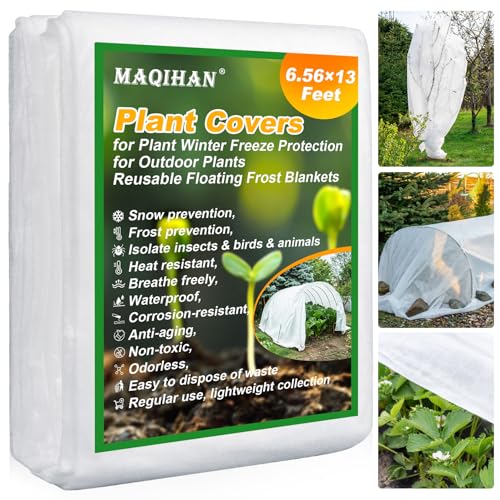
Product Features: Our plant covers are ideal for protecting all plant. Made from premium 1 oz/sq non-woven fabric, their durability and breathability ensuring both insulation against frost and facilitation of sunlight penetration for healthy plant growth

1.2 OZ DURABLE FABRIC – Upgraded heavy-weight 1.2 oz./sq non-woven fabric, helps reduce direct exposure of plants to frost, cold winds and freeze. During cold snaps, use 2-3 layers for added insulation. (Note: Avoid use in hot summer)
Soil Requirements for Grapefruit Trees in Michigan
Michigan’s unique climate presents specific challenges for growing grapefruit trees successfully. To ensure your trees thrive, it’s crucial to understand the soil requirements tailored to Michigan’s conditions. Here’s what you need to know:
Recommended Products

Kindly NOTE: This soil tester can not be applied to test pH value of any other liquid. If the soil is too dry the indicator will not move, and water it before testing.

Quick, at home results for Soil pH, Nitrogen, Phosphorous and Potash Innovative and inexpensive soil test kit features an easy-to-use capsule system and patented color comparators

Accurate Soil pH Testing: Dewildetradingco Soil pH Test Strips offer measurements of soil pH levels (pH 3.5-9). As an essential tool for every gardener and grower, these test strips help determine the optimal pH for various plants, such as outdoor plants, indoor plants, gardens, grass lawns, fruit trees, flowers, vegetables, and forest shrubs.
Acidic Soil pH Levels
For grapefruit trees, Michigan gardeners should aim for slightly acidic soil with a pH level between 6.0 and 7.5. This pH range provides an optimal environment for the trees to absorb essential nutrients efficiently. You can test your soil’s pH using readily available test kits from gardening stores.
Well-Draining Soil
Proper drainage is key to preventing waterlogged soil, which can lead to root rot and other issues. In Michigan, where heavy rainfall is common, it’s essential to ensure your grapefruit trees are planted in well-draining soil. If your soil has poor drainage, consider amending it with organic matter like compost to improve its texture and drainage capacity.
Soil Composition
Grapefruit trees thrive in rich, loamy soil that is well-aerated and nutrient-dense. Michigan’s soil may vary across regions, so understanding your soil type is crucial. Adding organic compost to the soil can enhance its fertility and structure, providing the necessary nutrients for healthy tree growth.
Mulching Practices
Applying mulch around the base of your grapefruit trees can help retain moisture, regulate soil temperature, and suppress weed growth. In Michigan, where winters can be harsh, mulching also adds a layer of insulation to protect the tree’s roots from freezing temperatures. Organic mulches like bark chips or straw are popular choices for Michigan gardeners.
Soil Testing and Amendments
Regular soil testing is recommended to monitor nutrient levels and pH balance. Based on the test results, you can adjust the soil composition by adding specific nutrients or supplements to ensure optimal growing conditions for your grapefruit trees. Local agricultural extension offices in Michigan can provide guidance on soil testing and recommendations for soil amendments.
By meeting the soil requirements outlined above and providing suitable growing conditions, you can enhance the resilience and productivity of your grapefruit trees in Michigan. Remember to regularly monitor soil conditions and provide proper care to support healthy tree growth throughout the seasons.
Pests and Diseases Challenges for Grapefruit Trees in Michigan
Dealing with pests and diseases is crucial when cultivating grapefruit trees in Michigan. Here are some challenges you may encounter and how to address them effectively:
Common Pests to Watch Out For
In Michigan, grapefruit trees can be susceptible to pests like aphids, scale insects, and citrus leaf miners. These pests can damage foliage, reduce fruit quality, and weaken the overall health of the tree. To protect your trees, regularly inspect them for any signs of infestation. You can use natural remedies like neem oil or insecticidal soap to control these pests.
Fungal Diseases Impacting Grapefruit Trees
Fungal diseases such as root rot, citrus canker, and powdery mildew can pose a threat to grapefruit trees in Michigan. These diseases thrive in humid environments and can spread quickly if not managed promptly. To prevent fungal infections, ensure proper air circulation around the tree, avoid overhead watering, and remove any infected plant material.
Dealing with Cold-Related Issues
Michigan’s cold climate can also leave grapefruit trees vulnerable to cold-related issues like frost damage and winter injury. It’s essential to protect your trees during the winter months by providing adequate insulation and shelter. Consider using frost cloth or wrapping the tree trunk to prevent frost cracks and maintain tree health.
Integrated Pest Management Practices
Implementing integrated pest management (IPM) practices is key to maintaining the health of grapefruit trees in Michigan. By combining cultural, biological, and chemical control methods, you can effectively manage pests and diseases while minimizing environmental impact. Regular monitoring, proper sanitation, and selecting resistant grapefruit tree varieties can help prevent pest infestations.
Soil Health for Disease Prevention
Healthy soil is vital for preventing diseases in grapefruit trees. Ensure your soil has the right pH level, good drainage, and sufficient nutrients to support tree growth. Conduct soil tests regularly to determine if any adjustments are needed to maintain optimal soil health.
By staying vigilant, practicing good orchard management, and addressing pest and disease issues promptly, you can safeguard your grapefruit trees in Michigan and promote a thriving orchard.
Best Varieties of Grapefruit Trees for Michigan
When it comes to choosing grapefruit trees that can thrive in Michigan’s challenging climate, selecting the right varieties is crucial. Here are some of the best options suited for Michigan:
Recommended Products

🌱 4 LIVE CHICAGO HARDY FIG STARTER PLANTS – Receive healthy, vigorous live plants for planting, ready to thrive and produce delicious figs in your home garden.

More than 50 years of research has gone into developing cherry trees with cold hardiness, dwarf stature and good fruit quality.

This is an early Concord-type, ripening about two weeks earlier
1. Rio Red Grapefruit:
Known for its superior flavor and juiciness, the Rio Red grapefruit is a popular choice. It thrives in warm climates but can adapt well to cooler temperatures with proper care, making it suitable for Michigan.
2. Marsh White Grapefruit:
The Marsh White grapefruit variety is well-loved for its sweet-tart taste and seedlessness. It is also known for being cold-tolerant, making it a good option for Michigan’s fluctuating weather conditions.
3. Ruby Red Grapefruit:
Ruby Red grapefruit is a classic choice with its deep red, flavorful flesh. This variety is not only delicious but also resilient to colder climates, making it a favorite for Michigan growers.
4. Star Ruby Grapefruit:
The Star Ruby grapefruit stands out for its striking reddish-pink flesh and rich taste. It is a hardy variety that can withstand colder temperatures, making it a reliable option for Michigan orchards.
5. Orlando Tangelo:
While not a traditional grapefruit variety, the Orlando Tangelo is a cross between a grapefruit and tangerine. It offers a unique flavor profile and is well-suited for cooler climates like Michigan.
6. Duncan Grapefruit:
Duncan grapefruit is known for its adaptable nature and resilience to cold conditions. It produces large, juicy fruits and can thrive in Michigan’s challenging growing environment.
Choosing the right grapefruit tree variety for your Michigan orchard is the first step towards a successful harvest. Consider factors like taste preferences, cold tolerance, and growth characteristics to select the best option for your specific needs. Remember to provide proper care, including temperature protection and soil maintenance, to ensure your grapefruit trees flourish in Michigan’s unique climate.
Conclusion
You’ve learned about the challenges and considerations of growing grapefruit trees in Michigan. From temperature protection to selecting cold-hardy varieties like Rio Red and Ruby Red, you now have the knowledge to make informed decisions. By focusing on factors such as site selection, container planting, and soil requirements, you can create a suitable environment for your grapefruit trees to thrive. Remember, proper care and attention are essential for successful harvests in Michigan’s unique climate. With the right variety and maintenance practices, you can enjoy the flavors and benefits of homegrown grapefruits right in your Michigan backyard. Happy gardening!
Frequently Asked Questions
Q: What are the challenges of growing grapefruit trees in Michigan?
A: Growing grapefruit trees in Michigan can be challenging due to the cold climate. Factors like temperature protection, cold-hardy varieties, and proper soil conditions are crucial for success.
Q: What are the cold-hardy grapefruit tree varieties suitable for Michigan?
A: Some cold-hardy grapefruit tree varieties suitable for Michigan include Rio Red, Marsh White, Ruby Red, Star Ruby, Orlando Tangelo, and Duncan. These varieties are known for their flavors, cold tolerance, and adaptability to Michigan’s climate.
Q: How should I care for grapefruit trees in Michigan?
A: Caring for grapefruit trees in Michigan involves selecting the right variety based on taste preferences and growth characteristics, providing proper temperature protection, ensuring acidic soil pH levels, mulching effectively, and regular soil testing for nutrients. Proper care is essential for successful harvests in Michigan’s unique climate.
