

Have you ever wondered how tall nectarine trees can actually grow? Picture this: you’re strolling through a lush orchard, the sweet scent of nectarines filling the air, and you gaze up at the towering trees above you. But just how high do these fruit-bearing giants reach?
In this article, we’ll explore the fascinating world of nectarine trees and uncover the secrets behind their impressive heights. Whether you’re a seasoned gardener looking to optimize your orchard space or simply curious about the natural wonders around you, understanding the growth potential of nectarine trees can offer valuable insights for your green spaces.
Get ready to discover the factors that influence the height of nectarine trees and gain practical knowledge that can enhance your gardening endeavors. Let’s dig into the world of nectarine tree heights and unlock the secrets hidden within these magnificent fruit-bearing plants.
Key Takeaways
- Nectarine trees typically reach a height of around 8 to 20 feet, influenced by factors like variety, growing conditions, and pruning techniques.
- Factors affecting nectarine tree height include variety (dwarf vs. standard trees), growing conditions (sunlight, soil quality, water), and pruning practices (regular pruning, training techniques, spacing).
- Proper care and maintenance, such as adequate spacing, regular watering, and monitoring for pests and diseases, are essential for nurturing nectarine trees to their optimal height.
- Understanding the ideal height for nectarine trees in different environments involves considerations like sunlight exposure, soil quality, and pruning techniques to support healthy growth and fruit production.
- Common issues that can affect the growth of nectarine trees include improper sunlight exposure, poor soil quality, inadequate pruning practices, watering mismanagement, and pest infestations. Addressing these issues is crucial for ensuring healthy tree development and maximizing height potential.
Understanding Nectarine Trees Height
When it comes to nectarine trees, understanding their potential height is crucial for planning your garden effectively. Nectarine trees are known for their moderate height, making them suitable for various garden sizes. These trees typically reach a height of around 8 to 20 feet, depending on various factors such as variety, growing conditions, and pruning techniques.
Factors Affecting Nectarine Tree Height
- Variety: Different nectarine tree varieties have varying growth habits. Some cultivars naturally grow taller than others. For example, dwarf nectarine trees are specifically bred to stay small and compact, making them ideal for smaller spaces like containers or small gardens.
- Growing Conditions: The environment in which a nectarine tree grows plays a significant role in determining its ultimate height. Factors such as sunlight, soil quality, and watering frequency can influence how tall a nectarine tree will grow. Optimal growing conditions can help the tree reach its maximum height potential.
- Pruning: Pruning is a key practice in controlling the height of nectarine trees. Regular and proper pruning can help manage the tree’s size and shape. By selectively removing branches, you can encourage upward growth or maintain a lower height based on your preferences.
- Regular Pruning: Trim your nectarine tree annually during the dormant season to maintain its height and shape. Remove any dead, damaged, or crowded branches to promote healthy growth.
- Training Techniques: Utilize training techniques such as espalier or palmette to control the height and spread of your nectarine tree. These methods involve shaping the tree’s growth pattern by tying branches to supports in specific directions.
- Spacing: Plant your nectarine trees with sufficient space between them to allow for proper growth. Adequate spacing can prevent overcrowding, which can limit the tree’s height potential.
By considering these factors and implementing appropriate management practices, you can ensure that your nectarine trees grow to an optimal height while thriving in your garden space. Remember to assess your specific gardening needs and adjust the care of your nectarine trees accordingly for the best results.
Factors Influencing the Growth of Nectarine Trees
When it comes to the growth of nectarine trees, several key factors can influence how tall they will ultimately get. Understanding these factors is essential for successfully cultivating healthy and thriving nectarine trees in your garden.
Recommended Products

Due to agricultural laws, we CANNOT SHIP TO CA, AZ, AK, or HI - orders will be cancelled if you ship to one of these states

1. Peel the fruit directly and remove the seeds.

Product Quantity: Five+ dwarf peach tree seeds per packet; Premium selection for optimal viability; Perfect for starting your own backyard orchard
Variety of Nectarine Trees
Different nectarine tree varieties have varying growth habits that can significantly impact their height. For instance, dwarf nectarine trees are specifically bred to remain small in stature, making them ideal for smaller garden spaces. On the other hand, standard nectarine trees can reach greater heights, typically ranging from 8 to 20 feet tall, depending on the specific cultivar.
Growing Conditions
The environment in which nectarine trees are grown plays a crucial role in their overall growth potential. Factors such as sunlight exposure, soil quality, and water availability can affect the tree’s height. Nectarine trees thrive in full sunlight and well-draining soil, providing them with the necessary nutrients and conditions to support healthy growth.
Pruning Techniques
Pruning is a fundamental aspect of nectarine tree care that can directly impact their height and shape. Proper pruning practices, including regular trimming and training techniques like espalier, help manage the tree’s size and promote desired growth patterns. By removing dead or excess branches, you can ensure that the tree allocates its resources towards healthy growth.
Maintenance and Care
In addition to variety, growing conditions, and pruning, providing adequate maintenance and care is vital for nurturing nectarine trees to their optimal height. Ensuring proper spacing between trees, regular watering, and fertilizing can help support healthy growth and development. Monitoring the tree for any signs of pests or diseases and addressing them promptly is also essential in maintaining tree health.
By considering these factors and implementing appropriate care practices, you can help your nectarine trees reach their full height potential while creating a thriving garden environment. Each of these elements plays a significant role in shaping the growth and overall well-being of your nectarine trees.
Ideal Height for Nectarine Trees in Different Environments
Understanding the ideal height for your nectarine trees in different environments is crucial for successful garden planning. Factors such as sunlight exposure, soil quality, and pruning techniques all play key roles in determining the ultimate height your nectarine trees can reach.
Recommended Products

Non-GMO Seeds: These nectarine tree seeds are completely natural and non-genetically modified, ensuring you grow authentic, wholesome fruit trees that produce delicious nectarines with traditional flavor and nutritional value for your family to enjoy
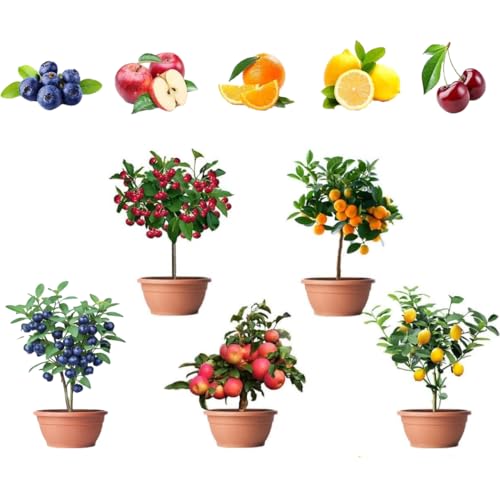
Variety Pack of 5 Fruits: Includes 40 Lemon seeds, 40 Orange seeds, 40 Apple seeds, 20 Cherry seeds, and 20 Blueberry seeds for a colorful and diverse home garden

What You Will Receive: One healthy Fignomenal Fir tree, 4-6 inches tall, shipped ready for planting
Sunlight Requirements
- Choose a sunny location: Ensure your nectarine trees receive at least 6-8 hours of direct sunlight each day for optimal growth.
- Partial shade considerations: In hotter climates, providing some afternoon shade can be beneficial to prevent sunburn on fruits and leaves.
Soil Quality and Drainage
- Well-draining soil: Nectarine trees thrive in loamy soil with good drainage to prevent waterlogged roots and promote healthy growth.
- pH balance: Aim for a soil pH of 6.0 to 6.5 for nectarine trees to absorb essential nutrients effectively.
Pruning Techniques
- Regular pruning: Prune your nectarine trees annually during dormancy to maintain their desired height and shape.
- Open center pruning: Encourage an open center structure to improve airflow and sunlight penetration, resulting in better fruit production.
Environmental Factors
- Nectarine tree varieties: Dwarf nectarine trees are ideal for smaller spaces, reaching heights of 5-8 feet, while standard trees can grow between 8-20 feet tall.
- Climate considerations: Nectarine trees grown in warmer climates may grow taller compared to those in cooler regions due to increased growth rates.
- Adequate spacing: Plant nectarine trees at least 12-20 feet apart to allow for proper growth and airflow.
- Watering regimen: Maintain consistent soil moisture, especially during fruit development, to prevent issues like fruit cracking.
- Pest monitoring: Regularly inspect your nectarine trees for common pests like aphids and scale insects, and take necessary control measures promptly.
By considering these factors and implementing appropriate care practices, you can help your nectarine trees reach their optimal height potential, ensuring a bountiful harvest and healthy tree growth in your garden.
Common Issues Affecting the Growth of Nectarine Trees
To ensure your nectarine trees reach their maximum height potential, it’s vital to address common issues that can hinder their growth. Understanding these factors will help you overcome challenges and cultivate healthy, thriving nectarine trees in your garden.
Recommended Products

Feed the soil not the plants - stimulate microbial activity in your soil and boost probability of success with all types of plants… like composting but faster

Nutrient-Rich Organic Compost for Healthy Soil: Support stronger plant growth with this premium organic compost made from dairy cow manure. This all purpose soil amendment helps replenish essential nutrients often depleted after harvests, making it ideal for vegetable gardens, fruit trees, flowers, lawns and container plants.

Feed the soil not the plants - stimulate microbial activity in your soil and boost probability of success with all types of plants… like composting but faster
1. Improper Sunlight Exposure
Inadequate sunlight exposure can stunt the growth of nectarine trees. Make sure your trees are planted in a location that receives ample sunlight throughout the day. Nectarine trees typically require at least 6-8 hours of direct sunlight to flourish. If your garden has shading from nearby structures or trees, consider pruning or relocating to a sunnier spot.
2. Poor Soil Quality
The quality of the soil directly impacts the growth of nectarine trees. Ensure your soil is well-draining to prevent waterlogging, which can lead to root rot and poor growth. Conduct a soil test to check for nutrient deficiencies and pH levels. Amend the soil with organic matter, like compost, to improve its structure and fertility, providing an optimal environment for your nectarine trees to thrive.
3. Inadequate Pruning Practices
Neglecting proper pruning techniques can impede the growth and development of nectarine trees. Regular pruning helps maintain tree health, shape, and fruit production. Remove dead, diseased, or overcrowded branches to enhance air circulation and sunlight penetration. Prune during the dormant season to stimulate new growth and maximize fruit production.
4. Watering Mismanagement
Improper watering practices can stress nectarine trees, affecting their growth. Ensure your trees receive sufficient water, especially during hot and dry periods. Water deeply but infrequently to encourage deep root growth and drought tolerance. Avoid waterlogging by allowing the soil to dry out slightly between watering sessions.
5. Pest Infestations
Pests can pose a significant threat to the growth and vitality of nectarine trees. Regularly monitor your trees for common pests like aphids, mites, and fruit flies. Implement integrated pest management strategies to control infestations, such as beneficial insect release, cultural practices, or organic pesticides.
By addressing these common issues affecting the growth of nectarine trees, you can create an optimal environment for their development, ensuring that they reach their full height potential and produce a bountiful harvest in your garden.
Conclusion
You now have a better understanding of how to nurture your nectarine trees to reach their full height potential. By focusing on sunlight exposure, soil quality, and pruning methods, you can create an optimal environment for your trees to thrive. Remember to address common growth issues like sunlight exposure, soil quality, pruning practices, watering management, and pest control to ensure healthy tree development. With proper care and attention, your nectarine trees will grow tall and strong, providing you with a bountiful harvest for years to come. Happy gardening!
Frequently Asked Questions
How important is sunlight exposure for maximizing the height potential of nectarine trees?
Sunlight exposure is crucial for the growth of nectarine trees as it aids in photosynthesis, promoting healthy and vigorous growth, thus maximizing tree height potential.
Why is soil quality essential for nectarine tree growth?
Soil quality directly impacts the absorption of nutrients by nectarine trees, affecting overall health and growth. Optimal soil conditions support root development and ensure proper nutrient uptake for maximum height potential.
How do pruning techniques influence the height of nectarine trees?
Pruning helps shape the tree, directing growth upward and preventing overgrowth that can hinder height potential. Proper pruning techniques encourage vertical growth and maintain tree health.
What role does watering management play in maximizing nectarine tree height?
Proper watering is crucial for nectarine trees to reach their full height potential by maintaining adequate moisture levels in the soil and supporting consistent growth throughout the season.
How can addressing pest infestations contribute to nectarine tree height potential?
Preventing and managing pest infestations promptly can help minimize stress on the tree, allowing it to focus on growth and development, ultimately maximizing height potential.
