

Do you ever wonder why your nectarine trees aren’t thriving as you’d like them to? Perhaps the answer lies beneath the surface – in the soil they’re planted in. Picture this: despite your best efforts, the nectarine tree in your backyard seems to struggle, its leaves lackluster and fruit scarce. But fear not, as understanding the type of soil nectarine trees prefer can make all the difference in their growth and productivity.
In this article, we’ll explore the world beneath your nectarine tree and uncover the secrets of the soil it craves. By learning about the specific soil requirements of nectarine trees, you’ll be equipped with the knowledge to create an optimal environment for your tree to flourish. Stay tuned to discover how a simple adjustment in your soil choice can lead to bountiful harvests and healthy nectarine trees in your garden.
Key Takeaways
- Nectarine trees thrive in well-draining soil like sandy loam to prevent waterlogging and promote healthy root growth.
- The ideal soil pH for nectarine trees ranges from 6.0 to 6.5, and adjusting pH levels can create a more favorable environment.
- Adequate sunlight exposure, proper watering, regular pruning, and balanced fertilization are essential for nectarine tree growth and fruit production.
- Ideal soil conditions for nectarine trees include well-drained loamy soil, optimal pH levels, rich in essential nutrients, organic matter content, and avoiding soil compaction.
- Testing soil pH, drainage, texture, nutrient levels, organic matter content, and preventing compaction are crucial for maintaining optimal soil conditions for nectarine trees.
- Adjusting soil pH using specific amendments and monitoring tree health are key steps to creating an environment that supports nectarine tree growth and productivity.
Factors Affecting Nectarine Tree Growth
Planting nectarine trees requires understanding several crucial factors that directly impact their growth and overall health. Here are the key elements you should consider to ensure your nectarine trees thrive:
Soil Type
For optimal growth, nectarine trees prefer well-draining soil. Sandy loam soil is ideal for nectarine trees, offering good drainage to prevent waterlogging, which can lead to root rot. This soil type also allows the roots to access nutrients more efficiently, promoting healthy growth.
Soil pH Levels
Nectarine trees thrive in slightly acidic soil with a pH range of 6.0 to 6.5. Testing your soil’s pH levels is essential to determine if it falls within this ideal range. You can adjust the pH levels by adding specific amendments to create a more favorable environment for your nectarine trees.
Sunlight Exposure
Nectarine trees require ample sunlight to photosynthesize effectively and produce an abundant harvest. Plant your nectarine trees in an area that receives at least 6 to 8 hours of direct sunlight daily to ensure optimal growth and fruit development.
Watering Practices
Proper watering is crucial for nectarine trees’ growth. Ensure that your trees receive sufficient water, especially during the growing season and hot weather. Adequate irrigation helps prevent stress and promotes fruit production.
Pruning Techniques
Regular pruning is essential to maintain the health and shape of nectarine trees. Prune your trees during the dormant season to remove dead or diseased branches, improve air circulation, and encourage new growth. Proper pruning enhances fruit quality and overall tree vigor.
Fertilization
Applying the right type and amount of fertilizer is key to supporting nectarine tree growth. Use a balanced fertilizer formulated for fruit trees and follow the recommended feeding schedule to provide essential nutrients for healthy development.
By considering these critical factors and implementing proper care practices, you can create an optimal environment for your nectarine trees to flourish and yield bountiful harvests in your garden.
Ideal Soil Conditions for Nectarine Trees
When it comes to growing healthy and productive nectarine trees in your garden, understanding the ideal soil conditions is crucial. Here’s what you need to know to ensure your nectarine trees thrive:
Recommended Products

Kindly NOTE: This soil tester can not be applied to test pH value of any other liquid. If the soil is too dry the indicator will not move, and water it before testing.

Quick, at home results for Soil pH, Nitrogen, Phosphorous and Potash Innovative and inexpensive soil test kit features an easy-to-use capsule system and patented color comparators

Accurate Soil pH Testing: Dewildetradingco Soil pH Test Strips offer measurements of soil pH levels (pH 3.5-9). As an essential tool for every gardener and grower, these test strips help determine the optimal pH for various plants, such as outdoor plants, indoor plants, gardens, grass lawns, fruit trees, flowers, vegetables, and forest shrubs.
Well-Drained Soil
Ensure that the soil is well-drained to prevent waterlogging, which can lead to root rot. Nectarine trees prefer soil that drains well to support healthy root development.
Loamy Soil Texture
Nectarine trees thrive in loamy soil, which provides a good balance of sand, silt, and clay. This type of soil texture promotes proper aeration and drainage while retaining essential moisture for the tree’s roots.
Optimal pH Level
The ideal soil pH for nectarine trees is slightly acidic to neutral, ranging between 6.0 to 7.0. Maintaining the correct pH level allows the tree to efficiently absorb nutrients from the soil.
Nutrient-Rich Soil
Ensure that the soil is rich in essential nutrients such as nitrogen, phosphorus, and potassium. These nutrients are vital for nectarine tree growth, flowering, and fruit production.
Organic Matter Content
Incorporate organic matter, such as compost or well-rotted manure, into the soil. Organic matter enhances soil structure, fertility, and microbial activity, benefiting the overall health of the nectarine tree.
Soil Compaction
Avoid soil compaction, as compacted soil restricts root growth and hampers nutrient uptake. Regularly aerate the soil around the tree to maintain proper soil structure.
Mulching
Mulching around the base of the nectarine tree helps retain soil moisture, suppresses weeds, and regulates soil temperature. Use organic mulch like wood chips or straw to improve soil conditions.
Soil Testing
Periodically test the soil to monitor pH levels and nutrient content. Soil testing ensures that the soil conditions remain optimal for nectarine tree growth and allows for timely adjustments if needed.
By providing your nectarine trees with the ideal soil conditions outlined above, you can support their growth, health, and fruit production, ultimately enjoying bountiful harvests in your garden.
Testing Soil for Nectarine Trees
To ensure your nectarine trees thrive, testing your soil is crucial. Here’s how you can effectively test the soil for your nectarine trees:
- Soil pH Testing
Test your soil’s pH levels using a pH testing kit. Nectarine trees prefer slightly acidic to neutral soil with pH levels between 6.0 and 7.0. Adjust the pH levels if needed to create an optimal growing environment for your nectarine trees. - Soil Drainage Assessment
Check the drainage capacity of your soil. Nectarine trees require well-drained soil to prevent waterlogging, which can lead to root rot. Perform a percolation test by digging a hole, filling it with water, and observing how quickly the water drains. - Soil Texture Evaluation
Evaluate the texture of your soil. Nectarine trees thrive in loamy soil, which offers a balance of sand, silt, and clay. Loamy soil allows for proper root development and water retention without becoming too compacted. - Nutrient Analysis
Conduct a soil nutrient analysis to determine the levels of essential nutrients like nitrogen, phosphorus, and potassium. Nectarine trees need nutrient-rich soil to support healthy growth and fruit production. Amend the soil with appropriate fertilizers based on the test results. - Organic Matter Content Check
Assess the organic matter content in your soil. Organic matter enhances soil structure, promotes beneficial microbial activity, and aids in nutrient availability for nectarine trees. Add organic amendments like compost to improve soil quality. - Preventing Soil Compaction
Monitor soil compaction around your nectarine trees. Compacted soil restricts root growth and hampers nutrient uptake. Avoid heavy machinery on the soil and use mulch to protect the soil structure.
Recommended Products

✅ 1Dial & 1 LCD Screen - Replace/install all 3 batteries each time. Put button to %RH/°F to - Turn On, and put to LIGHT to - Turn Off. Read the LCD results in 3-5 mins. (Not Water Moisture Meter, so, please don't test liquid)

How to Accurately Test Garden's Soil pH? Many growers do not able to use the correct tools and methods to obtain accurate soil ph values; NewTest soil ph test kit includes upgraded soil ph test strips, measuring cylinders, and instructions for professional testing methods; it allows even beginners to easily and accurately obtain soil ph values
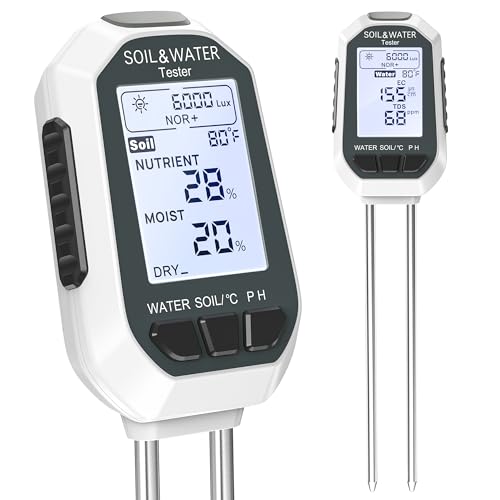
【7-in-1 Features】This is a 7-in-1 multi-function soil tester. Our soil tester quickly measures soil moisture, pH, temperature and light intensity, and its fertility function helps you take better care of your plants. With this device you can measure the soil moisture, pH, temperature and light intensity for your plants and with the EC and TDS functions you will know when it is time to water the soil.
Adjusting Soil pH for Nectarine Trees
To ensure optimal growth and fruit production for your nectarine trees, adjusting the soil pH is crucial. Here’s a straightforward guide to help you create the ideal pH balance for your nectarine trees:
- Test the Soil pH Regularly: Start by testing the soil pH in the area where you plan to plant your nectarine trees. Nectarine trees thrive in slightly acidic soil, with a pH level between 6.0 and 7.0.
- Lowering Soil pH: If your soil pH is too high (alkaline), you can lower it by adding amendments such as elemental sulfur, ammonium sulfate, or acidifying fertilizers. Follow the recommended application rates to gradually reduce the pH levels.
- Raising Soil pH: In case your soil is too acidic, you can raise the pH by incorporating materials like agricultural lime or dolomitic lime. Apply these amendments as per the instructions to increase the soil pH gradually.
- Maintain pH Balance: Once you adjust the soil pH to the desired range, ensure to maintain this balance over time. Regularly monitor the pH levels through soil tests and make any necessary adjustments to keep the soil within the optimal range.
- Consider Planting in Raised Beds: If your soil pH is challenging to modify or if it doesn’t fall within the ideal range for nectarine trees, consider planting them in raised beds filled with customized soil mix that meets their pH requirements.
- Monitor Tree Health: Keep an eye on your nectarine trees’ overall health and growth after adjusting the soil pH. Observing the leaves’ color, fruit development, and overall vigor can help you determine if the pH adjustment has been effective.
By taking these steps to adjust the soil pH for your nectarine trees, you can create a favorable environment that promotes their growth and ensures a fruitful harvest. Remember, maintaining the right pH balance is key to supporting your nectarine trees’ overall well-being.
Recommended Products

Comprehensive Soil Analysis: Liquid soil test kits offer a comprehensive analysis of essential soil parameters, including pH, ammonia, nitrogen, phosphorus, and potassium. Having all these measurements in one kit provides a holistic understanding of the soil's fertility and health.

KNOW BEFORE YOU GROW | Grow the healthiest, sustainable lawn and garden with the most accurate and easy to use professional soil test kit on the market

Conclusion
You now understand the vital role that soil plays in the growth and fruit production of nectarine trees. By focusing on factors like soil type, pH levels, drainage, texture, nutrients, organic matter, and mulching, you can create an optimal environment for your trees. Remember to regularly test and adjust the soil pH to keep it within the ideal range of 6.0 to 7.0. With the knowledge of how to manage soil pH effectively, you can ensure the health and productivity of your nectarine trees. Happy gardening!
Frequently Asked Questions
What is the optimal soil pH range for nectarine trees?
Maintaining a soil pH between 6.0 and 7.0 is ideal for supporting the growth and fruit production of nectarine trees.
How can I lower the soil pH for nectarine trees?
To lower soil pH for nectarine trees, consider incorporating elemental sulfur or acidic organic materials like pine needles, peat moss, or coffee grounds into the soil.
How can I raise the soil pH for nectarine trees?
Raising soil pH for nectarine trees can be achieved by adding agricultural lime or wood ash to the soil in controlled amounts.
Why is monitoring soil pH important for nectarine trees?
Regularly testing and adjusting soil pH helps ensure that nectarine trees receive the optimal soil conditions necessary for their health, growth, and fruit production.
