

Have you ever wondered when and how to prune your tangerine trees for optimal growth and fruit production? Picture this: your tangerine tree is flourishing, but you’re unsure if it needs a trim to thrive. In this article, you’ll discover the essential tips for pruning tangerine trees to ensure a bountiful harvest and healthy tree.
By understanding the best practices for cutting back tangerine trees, you’ll not only promote new growth but also enhance the overall health of your tree. Ready to learn the secrets to successful tangerine tree pruning? Stay tuned to uncover the expert advice on when and how to trim your tangerine tree for a fruitful yield.
Key Takeaways
- Pruning tangerine trees is essential for enhancing fruit quality, stimulating new growth, shaping the tree, preventing disease, and encouraging higher yields.
- The best time to prune tangerine trees is in late winter to early spring, after harvest, or as part of yearly maintenance pruning.
- Tools needed for pruning tangerine trees include pruning shears, loppers, hand saw, pruning saw, and gloves for protection.
- Proper pruning techniques involve timing, removing dead branches, shaping for aesthetics and health, stimulating new growth, avoiding overpruning, using the right tools, and considering tree size for optimal results.
- After pruning, maintain your tangerine tree’s health by monitoring regularly, watering wisely, fertilizing correctly, ensuring sunlight and air circulation, mulching for nutrient retention, managing pests and diseases, and conducting regular pruning maintenance.
- Seek advice from experts like arborists or horticulturists for any significant issues or uncertainties about your tangerine tree’s health post-pruning.
Importance of Pruning Tangerine Trees
Pruning tangerine trees is crucial for their optimal growth and fruit production. Proper pruning helps maintain the tree’s health, shape, and productivity. Here’s why pruning tangerine trees is essential:
Enhances Fruit Quality
Pruning tangerine trees improves the size and quality of the fruit. By cutting back overgrown branches, you allow sunlight to reach all parts of the tree, promoting even fruit development. This results in juicier and sweeter tangerines that are a delight to savor.
Stimulates New Growth
Regular pruning stimulates new growth in tangerine trees. Cutting away dead or diseased branches encourages the tree to focus its energy on producing healthy new shoots. This fresh growth boosts overall tree vigor and ensures a plentiful harvest in the future.
Shapes the Tree
Pruning helps shape the tangerine tree, giving it an aesthetically pleasing form. Removing excess branches promotes a balanced canopy, preventing overcrowding and ensuring proper air circulation within the tree. A well-shaped tree is not only visually appealing but also healthier and more resilient.
Prevents Disease
Trimming tangerine trees removes diseased or pest-infested branches, reducing the risk of infections spreading to the rest of the tree. Pruning also enhances airflow through the canopy, creating an environment that is less conducive to fungal diseases. A well-pruned tree is less susceptible to various health issues, ensuring its longevity.
Encourages Higher Yields
Proper pruning practices lead to higher yields of tangerines. By eliminating weak or non-productive branches, you direct the tree’s resources towards fruit production. This results in a more abundant harvest of delicious tangerines that you can enjoy fresh or use in various culinary delights.
Summary
Pruning tangerine trees is a vital task that directly impacts the tree’s health, fruit quality, and overall productivity. Regular pruning ensures that your tangerine tree remains robust, fruitful, and visually appealing. By following the best pruning practices, you set the stage for a successful harvest and a thriving tree in your garden.
Best Time to Prune Tangerine Trees
When it comes to tangerine trees, knowing the optimal time for pruning is crucial. Pruning at the right time ensures healthy growth, better fruit production, and overall tree vitality. Here’s a guide to help you determine the best time to prune your tangerine trees:
Recommended Products

Razortooth saw technology removes more material in each pass
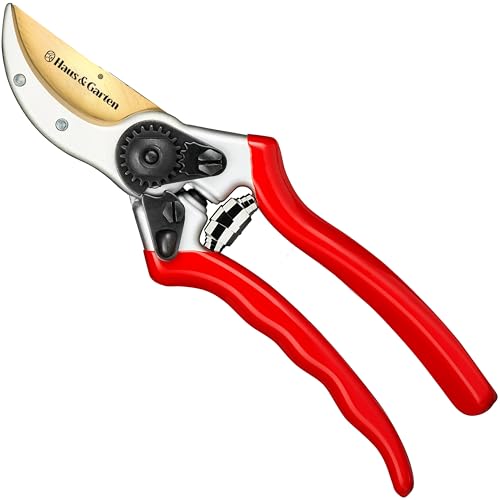
Sharp, Clean Cuts Every Time – Engineered from Japanese grade, high-carbon steel, ClassicPRO bypass pruning shears for gardening stay sharp and make precise cuts that encourage healthy growth and won’t damage your plants

Fast-Cutting RazorTOOTH Blade – Aggressive 7-inch RazorTOOTH blade cuts quickly through green wood and branches, delivering efficient pruning with less effort.
Late Winter to Early Spring
In general, the best time to prune tangerine trees is in late winter to early spring, before the tree starts budding. During this period, the tree is dormant, making it ideal for shaping, thinning out crowded branches, and removing dead or diseased wood.
Avoid Pruning in Fall
It’s important to avoid pruning your tangerine trees in the fall. Pruning during this time can stimulate new growth that may be sensitive to frost damage during the winter months. To prevent frost-related issues, save your pruning efforts for late winter or early spring.
Prune After Harvest
Another optimal time to prune tangerine trees is after the harvest season. Once you’ve picked all the fruit, take the time to prune the tree to encourage new growth for the next growing season. This post-harvest pruning helps maintain the tree’s shape and health.
Yearly Maintenance Pruning
For ongoing tree maintenance, consider light pruning throughout the year to remove water sprouts, suckers, or any crossing branches. Keeping up with regular pruning helps promote air circulation and sunlight exposure, leading to healthier fruit production.
Conclusion
Timing is key when it comes to pruning tangerine trees. By following the suggested pruning schedule and techniques, you can ensure your trees stay healthy, productive, and visually appealing. Remember, a well-pruned tangerine tree not only looks good but also yields delicious fruit for you to enjoy.
Tools Needed for Pruning Tangerine Trees
To effectively prune your tangerine trees, you’ll need the right tools to ensure a successful job. Here’s what you should have on hand:
- Pruning Shears: These are essential for cutting small branches and twigs up to 1/2 inch in diameter. They provide precision cuts to promote healthy growth.
- Loppers: Use loppers for branches between 1/2 inch to 1 inch in diameter. They offer more leverage for cutting thicker branches with ease.
- Hand Saw: A hand saw comes in handy for cutting larger branches that pruning shears or loppers can’t handle. Choose a sharp, curved blade for precise and smooth cuts.
- Pruning Saw: For even larger branches, a pruning saw is necessary. Look for one with a curved blade and ergonomic handle for comfortable use.
- Gloves: Protect your hands with sturdy gardening gloves to prevent scratches, cuts, and contact with harmful plant substances.
Recommended Products

Sharp Mn Steel Blade for Fast & Clean Cuts: This pole saw uses a sharp three-sided edge with a double-sided barb design to grip branches securely and cut smoothly from multiple angles. The Mn steel blade is durable, rust-resistant, and lightweight, delivering fast, clean cuts. Precision-ground teeth discharge sawdust to avoid clogging, while the soft-wrapped handle ensures comfort during long use and can be replaced easily when needed.
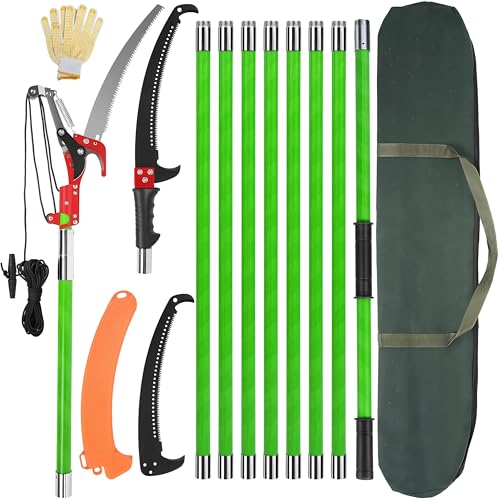
Widely Application : This manual pole saw is widely used in lawns, gardens, forestry and other places where trees need to be trimmed. Ideal for pruning palm trees, pines, firs and oaks that can be tall and hard to reach
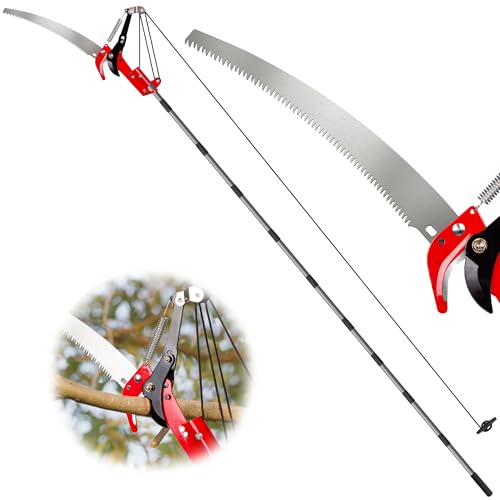
2-in-1 Saw & Pruner for High Branches: This manual pole saw combines a sharp steel saw blade for thick limbs and a manganese steel pruning scissor for smaller branches. Easily cut twigs up to 1.2 inches while trimming higher tree limbs from the ground — no ladder needed.
Proper Techniques for Pruning Tangerine Trees
When it comes to pruning your tangerine trees, following proper techniques is crucial to ensure optimal growth, fruit quality, and overall tree health. Here are some practical guidelines to help you prune your tangerine trees effectively:
Recommended Products

Package Includes: Come with 24 pieces of fruit branch forms stronger branches. which can be used to pull the branches flat, and fruit trees can absorb sunlight, ventilation and fruitfulness.

Powerful Compound Action Cutting – Compound leverage multiplies cutting force, making it easier to cut through thick, tough branches with less effort compared to standard loppers.

Drop forged body and handles, quality blade made of high carbon steel with Ultra-fine Polishing Technology.
Timing Is Everything
Prune your tangerine trees at the right time to maximize their growth potential and fruit production. The ideal times for pruning are late winter to early spring, after harvest, or as part of your yearly maintenance routine.
Remove Dead or Diseased Branches
Start by eliminating any dead, damaged, or diseased branches. These can hinder the tree’s growth and make it more susceptible to pests and diseases. Trim them back to where they meet a healthy part of the tree.
Shape for Aesthetics and Health
Pruning can help shape your tangerine tree, enhancing its appearance and ensuring good air circulation and sunlight exposure to all branches. Aim to maintain a balanced canopy to promote healthy growth.
Stimulate New Growth
Encourage new growth by pruning strategically. Trim back older branches to allow new shoots to sprout, promoting a denser foliage and increased fruit production.
Avoid Overpruning
While it’s essential to prune your tangerine trees, be mindful not to overdo it. Avoid removing more than 20% of the tree’s canopy in a single pruning session to prevent stress and ensure a quicker recovery.
Use the Right Tools
Select the proper tools for pruning, such as sharp pruning shears, loppers for thicker branches, a hand saw for larger limbs, and pruning saws for precision cuts. Wearing gloves can protect your hands and improve your grip while pruning.
Consider Tree Size
Take into account the size of your tangerine tree when pruning. For smaller trees, focus on shaping and removing crowded branches. Larger trees may require more extensive pruning to maintain their health and productivity.
Following these pruning techniques will help your tangerine trees thrive, look visually appealing, and yield a bountiful harvest. Remember, proper pruning is key to ensuring the long-term health and productivity of your tangerine trees.
Tips for Maintaining a Healthy Tangerine Tree After Pruning
So, you’ve successfully pruned your tangerine tree, and now it’s time to ensure it stays healthy and vibrant. Here are some practical tips to guide you in maintaining your freshly pruned tangerine tree:
1. Monitor Tree Health Regularly
Check your tangerine tree frequently after pruning to ensure it’s healing correctly. Keep an eye out for any signs of stress, disease, or pest infestation. Early detection can prevent major issues down the line.
2. Proper Watering Routine
Maintain a consistent watering schedule, especially after pruning, to support your tree’s recovery process. Ensure the soil is adequately moist but not waterlogged. Adjust watering frequency based on weather conditions.
3. Fertilize Wisely
After pruning, your tangerine tree may benefit from a balanced fertilizer to promote new growth. Choose a fertilizer specifically formulated for citrus trees and follow the instructions carefully to prevent over-fertilization.
4. Sunlight and Air Circulation
Position your tangerine tree in a location that receives ample sunlight and has good air circulation. Pruning enhances light penetration and airflow, which are vital for fruit development and overall tree health.
5. Mulching for Nutrient Retention
Apply a layer of organic mulch around the base of your tangerine tree to help retain moisture, regulate soil temperature, and provide essential nutrients. Mulching also suppresses weed growth, reducing competition for resources.
6. Pest and Disease Management
Keep an eye out for common citrus pests and diseases post-pruning. Implement preventive measures like regular inspection, pruning diseased branches, and using organic pesticides if necessary. Early intervention can prevent widespread infestations.
7. Regular Pruning Maintenance
Continue to monitor your tangerine tree’s growth and shape in the following seasons. Prune selectively to maintain its desired form, remove dead or crossing branches, and ensure proper light distribution throughout the canopy.
8. Consult with Experts
If you encounter any significant issues or uncertainties regarding your tangerine tree’s health post-pruning, don’t hesitate to seek advice from local arborists or horticulturists. Their expertise can provide valuable insights and recommendations tailored to your specific tree care needs.
Conclusion
You now have a solid understanding of why pruning your tangerine trees is crucial for their growth and overall well-being. By following the recommended techniques and tips outlined in this article, you can ensure that your trees remain healthy, vibrant, and productive. Remember to keep a close eye on your tree’s health, provide adequate care, and seek professional guidance whenever necessary. With the right approach to pruning and post-pruning care, your tangerine trees will continue to thrive, rewarding you with bountiful harvests for years to come. Happy pruning!
Frequently Asked Questions
Why is it important to prune tangerine trees?
Pruning tangerine trees is essential to promote growth, improve fruit quality, enhance tree health, and maintain the tree’s shape.
What are the proper techniques for pruning tangerine trees?
Utilize clean, sharp shears to remove dead, diseased, or crossing branches. Prune to shape the tree, maintain airflow, and encourage fruit production.
When is the best time to prune tangerine trees?
Prune tangerine trees in late winter or early spring before new growth appears. Avoid pruning during the fall or when the tree is flowering.
What tools are needed for pruning tangerine trees?
Gather tools such as pruning shears, loppers for thicker branches, and a pruning saw for larger cuts. Ensure tools are clean and sharp for effective pruning.
How can I care for tangerine trees after pruning?
Monitor tree health, maintain a watering schedule, apply balanced fertilizers, ensure sunlight exposure, mulch for nutrient retention, manage pests and diseases, conduct regular maintenance, and consult experts when needed.
