

Have you ever wondered how much water your tangerine tree really needs to thrive? Picture this: you’re standing in your backyard, admiring the lush green leaves and vibrant orange fruits of your tangerine tree, but you’re not quite sure if you’re giving it the right amount of water. Understanding the watering needs of your tangerine tree is key to ensuring its health and productivity.
In this article, we’ll explore the essential watering requirements for tangerine trees, guiding you on the journey to becoming a confident and successful tangerine tree caretaker. By learning how to properly water your tangerine tree, you’ll not only promote its growth and fruit production but also prevent common issues like overwatering or underwatering. Get ready to nurture your tangerine tree to its full potential with the right watering practices.
Key Takeaways
- Proper watering is vital for tangerine trees to ensure nutrient absorption, facilitate photosynthesis, regulate temperature, prevent dehydration, support growth, and ensure stress resilience.
- Factors like climate, soil type, tree age and size, seasonal variations, fruit development, and environmental stressors influence the water requirements of tangerine trees.
- Signs of water stress in tangerine trees include wilting leaves, leaf curling, leaf yellowing, premature fruit drop, stunted growth, dry soil, and scorched leaves.
- Best practices for watering tangerine trees include establishing a consistent watering schedule, monitoring soil moisture, using drip irrigation, adjusting for seasonal changes, mulching, and considering natural rainfall for watering adjustments.
Importance of Water for Tangerine Trees
To ensure your tangerine trees thrive, it’s crucial to understand the significance of water in their growth and development. Proper watering is essential for the health and productivity of your tangerine trees. Here’s why water plays a vital role in the care of your tangerine trees:
Ensures Nutrient Absorption
Water serves as a carrier for essential nutrients, allowing tangerine trees to absorb vital minerals from the soil. Without an adequate supply of water, tangerine trees may struggle to take up nutrients necessary for growth and fruit production.
Facilitates Photosynthesis
Water is a key component in the photosynthesis process, where tangerine trees convert light energy into chemical energy to fuel their growth. Sufficient water intake enables the leaves to photosynthesize efficiently, leading to healthy foliage and robust fruit production.
Regulates Temperature
Water helps regulate the temperature of tangerine trees, keeping them cool during hot days and preventing stress. Proper hydration ensures that tangerine trees can withstand fluctuations in temperature and environmental conditions.
Prevents Dehydration
Inadequate water supply can lead to dehydration in tangerine trees, causing wilting, leaf drop, and diminished fruit quality. By providing adequate water, you can prevent dehydration and maintain the overall health of your tangerine trees.
Supports Growth and Development
Water is essential for cell expansion and overall growth in tangerine trees. Adequate hydration promotes root development, strengthens branches, and supports the formation of juicy, flavorful tangerines.
Ensures Stress Resilience
Proper watering helps tangerine trees build resilience against stressors such as extreme weather conditions, pests, and diseases. Well-hydrated trees are better equipped to combat environmental challenges and thrive in various conditions.
By understanding the importance of water for your tangerine trees, you can establish a well-rounded care routine that prioritizes proper watering practices. Consistent and adequate watering is key to ensuring your tangerine trees reach their full potential in growth, fruit production, and overall health.
Factors Affecting Water Requirements of Tangerine Trees
Watering your tangerine trees adequately is crucial to their health and productivity. Various factors influence the amount of water these trees need, ensuring they thrive in your care. Understanding these factors will help you provide the best care for your tangerine trees. Here are key aspects that affect the water requirements of tangerine trees:
Recommended Products

Accurate Soil Moisture Detection: The XLUX Soil Moisture Meter can tell you if the soil deep inside your pot or garden is dry, moist or wet; whereas your eyes and fingers can only determine the moisture level of the soil surface. The probe is 5.5 inches (14 cm) longer than regular styles, allowing it to measure the soil moisture at the bottom of larger and deeper flower pots.

Accurate Soil Moisture Detection: The XLUX Soil Moisture Meter can tell you if the soil deep inside your pot or garden is dry, moist or wet; whereas your eyes and fingers can only determine the moisture level of the soil surface. The probe is 5.5 inches (14 cm) longer than regular styles, allowing it to measure the soil moisture at the bottom of larger and deeper flower pots.

Accurate Soil Moisture Detection: The XLUX Soil Moisture Meter detects deep soil moisture in pots or gardens (dry/moist/wet), unlike eyes or fingers that only sense surface soil.
1. Climate:
In regions with hot and arid climates, tangerine trees typically require more water to compensate for higher evaporation rates. Hotter temperatures increase the tree’s water loss through transpiration, necessitating more frequent watering to maintain soil moisture levels.
2. Soil Type:
The soil composition plays a significant role in determining how much water your tangerine trees require. Well-draining soils allow excess water to escape, preventing waterlogging that could harm the tree’s roots. Sandy soils require more frequent watering compared to clayey soils due to faster drainage rates.
3. Tree Age and Size:
Young tangerine trees need more frequent watering as they establish their root systems and grow. Mature tangerine trees have developed deeper root systems and may require less frequent watering. Larger trees, with more foliage, also transpire more water and therefore need increased watering.
4. Seasonal Variations:
Water requirements fluctuate throughout the seasons. Tangerine trees need more water during the hot summer months when evaporation rates are high. Reduce watering frequency during the cooler fall and winter seasons when trees are dormant and transpiration rates decrease.
5. Fruit Development:
Tangerine trees require additional water during fruit development to support fruit growth and prevent issues like fruit splitting. Ensuring consistent moisture levels during this critical period promotes healthy fruit development and minimizes fruit-related problems.
6. Environmental Stressors:
Factors such as wind exposure, humidity levels, and temperature extremes can impact a tangerine tree’s water needs. During periods of high wind and low humidity, trees may lose more moisture and require more frequent watering to compensate for these environmental stressors.
By considering these factors and adjusting your watering practices accordingly, you can provide optimal care for your tangerine trees. Monitoring soil moisture levels, observing the tree’s growth and response to watering, and staying attuned to environmental conditions will help you gauge and meet the water requirements of your tangerine trees effectively.
Signs of Water Stress in Tangerine Trees
Ensuring your tangerine trees get the right amount of water is crucial for their health and productivity. Here are signs to watch out for that indicate water stress in your tangerine trees:
- Wilting Leaves: If you notice your tangerine tree’s leaves are drooping or wilting, it might be a sign of water stress. The leaves may appear dry and brittle.
- Leaf Curling: Another indicator of water stress is when the leaves of your tangerine tree start to curl or become distorted. This can signal a lack of water reaching the leaves.
- Leaf Yellowing: Yellowing leaves, especially at the tips or edges, can suggest that your tangerine tree is not getting enough water. This discoloration is a common response to water stress.
- Premature Fruit Drop: If your tangerine tree is dropping fruit before it’s ripe, it could be a result of water stress. Inadequate water supply can cause the tree to shed fruit to conserve energy.
- Stunted Growth: When tangerine trees don’t receive sufficient water, they may exhibit stunted growth. If you notice that your tree is not growing as expected or is smaller than usual, it could be due to water stress.
- Dry Soil: Checking the soil moisture is essential. If the soil around your tangerine tree feels dry to the touch, it may indicate that the tree is not receiving adequate water.
- Scorched Leaves: Leaves with brown, scorched edges can be a sign of water stress. The browning occurs when the tree can’t transport enough water to the leaf margins.
By keeping an eye out for these signs of water stress in your tangerine trees, you can take timely action to adjust your watering practices and ensure your trees thrive.
Recommended Products
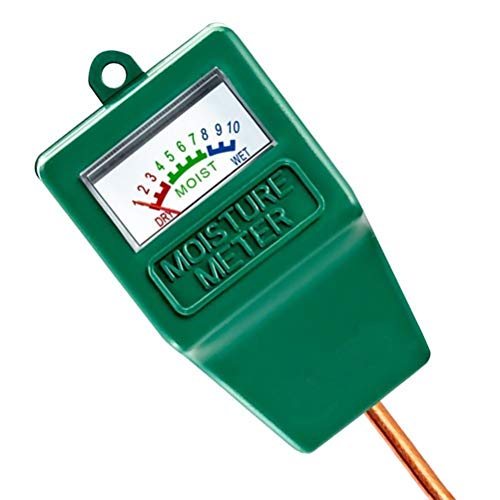
Soil Moisture Meter: This single probe soil moisture meter is specially designed for testing the moisture level in the soil, helps you decide whether the plants need water or not, helps to keep plants alive.

✔️Accurate - A helpful tool of water meter for indoor plants which senses the moisture in the soil around plants. No more guess if the plant needs more or less water

Compact & Portable: Have you been sticking your finger in the soil hoping to feel when it's time to water? Why not eliminate the guesswork and keep your hands clean when you use the Dr.meter Soil Moisture Sensor Meter! Know the right time to water your garden, farm, lawn and houseplants, anytime.
Best Practices for Watering Tangerine Trees
To ensure your tangerine trees thrive and bear delicious fruits, following these best practices for watering is essential. Proper watering is a key factor in maintaining the health and vitality of your trees.
Consistent Watering Schedule
Establishing a regular watering routine is crucial for tangerine trees. Water your trees deeply and infrequently to encourage deep root growth. A consistent schedule helps the tree develop a strong root system, making it more resilient to environmental stressors.
Watering Frequency
During the growing season, it’s recommended to water your tangerine trees every 7-14 days, depending on factors like soil drainage, weather conditions, and tree age. Young trees may need more frequent watering compared to mature ones.
Soil Moisture Monitoring
Check the moisture level in the soil before watering. Stick your finger into the soil near the tree to a depth of about 2-3 inches. If the soil feels dry at this depth, it’s time to water. Ensuring the right moisture level helps prevent both overwatering and underwatering.
Watering Methods
Use drip irrigation or soaker hoses to deliver water directly to the root zone of the tangerine trees. This method helps conserve water by reducing evaporation and ensuring efficient water absorption by the roots. Avoid overhead watering, as it can lead to water waste and fungal diseases.
Adjusting for Seasonal Changes
In hot weather, increase the frequency of watering to compensate for evaporation. In cooler seasons, reduce watering frequency to prevent waterlogged soil. Adapting your watering practices to seasonal variations ensures your tangerine trees receive adequate moisture throughout the year.
Mulching Benefits
Applying a layer of organic mulch around the base of the tree helps retain soil moisture, regulate soil temperature, and prevent weed growth. Mulching also adds nutrients to the soil as it breaks down, promoting healthy root development and overall tree vigor.
Rainfall Consideration
Take natural rainfall into account when determining your watering schedule. Monitor the amount of rain your area receives and adjust your watering routine accordingly. Avoid overwatering during rainy periods to prevent waterlogged soil.
By following these best practices for watering tangerine trees, you’ll promote the growth, fruit production, and longevity of your trees, ensuring a bountiful harvest of delicious tangerines.
Conclusion
Ensuring your tangerine tree gets the right amount of water is key to its well-being. By understanding the factors that influence water needs and recognizing signs of water stress, you can help your tree thrive. Consistent watering, monitoring soil moisture, and adapting to seasonal changes are vital practices to support tree growth and fruit development. Remember, a well-watered tangerine tree is more likely to yield a bountiful harvest and remain healthy for years to come. Keep these watering tips in mind as you care for your tangerine tree, and enjoy the rewards of your efforts in the form of juicy, delicious tangerines.
Frequently Asked Questions
How important is water for tangerine trees?
Water is crucial for tangerine trees as it aids in nutrient uptake, photosynthesis, and stress tolerance, ultimately supporting tree health and productivity.
What factors affect the water needs of tangerine trees?
The water requirements of tangerine trees vary based on factors like climate, soil type, and tree maturity, influencing how much and how often they should be watered.
How can I identify water stress in tangerine trees?
Signs of water stress in tangerine trees may include wilting, yellowing leaves, leaf drop, and reduced fruit production, indicating the need for proper watering adjustments.
What are the best practices for watering tangerine trees?
Best practices for watering tangerine trees involve maintaining a consistent watering schedule, monitoring soil moisture levels, utilizing suitable watering techniques, adjusting for seasonal variations, considering natural rainfall, and applying mulch for added benefits.
