

Imagine stepping into your garden, surrounded by lush greenery, and being greeted by the sight of ripe, juicy fruits hanging from the trees. What if you could transform your garden into a fruitful paradise with the best fruit trees for your specific Indian climate? Picture the joy of plucking fresh fruits right from your backyard.
In a country as diverse as India, selecting the right fruit trees can be a daunting task. Are you struggling to choose the perfect fruit trees that thrive in your local environment? Discovering the ideal fruit trees for your Indian garden can not only enhance the beauty of your space but also provide you with a bountiful harvest to enjoy with your loved ones.
This article will guide you through the top fruit trees that are well-suited for Indian gardens, helping you create a vibrant and productive orchard right at home. Get ready to embark on a journey to cultivate the best fruit trees that will flourish in your Indian garden.
Key Takeaways
- Select fruit trees that thrive in the Indian climate, considering factors like temperature, soil type, and space availability.
- Popular fruit tree options for Indian gardens include mango, guava, lemon, pomegranate, and papaya trees, each suited to specific climatic conditions.
- Understand the importance of cross-pollination for certain fruit trees to ensure successful fruit production.
- Consider the maintenance requirements of different fruit trees before choosing, based on your capacity for care and attention.
- Growing fruit trees in Indian gardens not only provides fresh and nutritious produce but also offers cost-efficiency, environmental benefits, and educational opportunities.
Overview of Fruit Trees for Indian Gardens
When selecting fruit trees for your garden in India, it’s essential to consider the diverse climate and soil conditions across the country. Understanding which fruit trees thrive in specific regions can help you create a successful and bountiful orchard at home. Here are some top fruit tree options suited for Indian gardens:
Recommended Products

Package contains 4 Pounds organic fruit and citrus fertilizer grains and is produced to avoid wasteful runoff, mess, hazards and smells

FORMULATED FOR CITRUS AND FRUIT TREES: Use these citrus fertilizer spikes on apple, orange, lemon, lime, and avocado trees; this formula is also great for feeding palm trees

Supports Flowering & Fruit Production – Helps encourage strong flowering, fruit set, and consistent guava development.
Tropical Fruits:
- Mango Trees: Known as the “king of fruits,” mango trees are well-suited for the Indian climate. Varieties like Alphonso and Kesar are popular choices.
- Guava Trees: Guavas are easy to grow and maintain in Indian gardens, offering delicious and nutritious fruits.
Citrus Fruits:
- Lemon Trees: Lemon trees are versatile and can be grown in pots or directly in the ground. They produce fresh, tangy lemons rich in Vitamin C.
- Orange Trees: Varieties like Nagpur oranges are ideal for Indian gardens, providing sweet and juicy fruits.
Subtropical Fruits:
- Pomegranate Trees: Pomegranates thrive in subtropical climates and are well-suited for Indian regions with mild winters.
- Avocado Trees: Avocados require a subtropical climate and make a valuable addition to your garden if you have the right conditions.
Temperate Fruits:
- Apple Trees: In regions with cooler temperatures, such as parts of Himachal Pradesh and Jammu & Kashmir, apple trees can flourish.
- Pear Trees: Pear trees can also be grown in certain temperate regions in India, offering crisp and refreshing fruits.
- Cashew Trees: Cashews are not only delicious but also suitable for regions with tropical weather, making them a great choice for Indian gardens.
- Almond Trees: Almonds can be grown in certain parts of India with dry weather conditions, providing a healthy snack option.
By choosing fruit trees that align with the climate and soil characteristics of your specific region in India, you can create a thriving orchard in your own backyard. Experiment with different varieties to enjoy a diverse range of fresh fruits throughout the year.
Criteria for Selecting the Best Fruit Trees
When choosing fruit trees for your garden in India, you’ll need to consider several essential criteria to ensure successful cultivation. Here are key factors to keep in mind:
Recommended Products

Product Quantity: 180+ premium bonsai fruit seeds across 5 varieties; Individual packs contain 40+ apple, 40+ lemon, 40+ orange, 20+ blueberry, and 40+ cherry seeds; Perfect for starting a diverse miniature orchard


1. Climate Suitability
Ensure that the fruit trees you select are well-suited to the specific climate of your region in India. Different types of fruit trees thrive in varying climatic conditions. For instance, mango trees flourish in hot tropical climates, while apple trees require cooler temperatures found in certain hilly regions. Matching the fruit tree varieties with your local climate is crucial for healthy growth and abundant fruit production.
2. Soil Compatibility
The soil type in your garden plays a significant role in the success of your fruit trees. Some trees, like citrus fruits, prefer well-draining soil, while others, such as pomegranates, can tolerate slightly different soil compositions. Conduct a soil test to determine the pH level and nutrient content of your soil. Choose fruit trees that are best suited to the soil conditions prevalent in your area to promote optimal growth.
3. Space Considerations
Consider the available space in your garden when selecting fruit trees. Some trees, like guava or lemon, can be grown in smaller spaces or even in containers, making them ideal for urban gardens with limited room. Larger trees like mango or avocado require more space to grow and spread their roots. Plan the layout of your garden to accommodate the size and growth patterns of the fruit trees you choose.
4. Pollination Requirements
Certain fruit trees require cross-pollination to produce fruit, meaning you’ll need to plant at least two compatible trees for successful pollination. Avocado trees, for example, are self-sterile and need a different avocado variety nearby for adequate pollination. Understanding the pollination needs of the fruit trees you select is crucial to ensure fruitful yields in your garden.
5. Maintenance and Care
Consider the amount of care and maintenance each fruit tree requires before making your selection. Some trees, like pomegranates or figs, are relatively low-maintenance and can thrive with minimal intervention. Others, such as apple or almond trees, may need regular pruning, watering, and pest control measures. Choose fruit trees that align with the time and effort you can dedicate to their care to foster healthy growth and fruit production.
Top 5 Fruit Trees for Indian Gardens
When selecting fruit trees for your garden in India, you want to ensure that they thrive in your specific climate, soil conditions, and space availability. Here are the top 5 fruit trees that are well-suited for Indian gardens:
Recommended Products

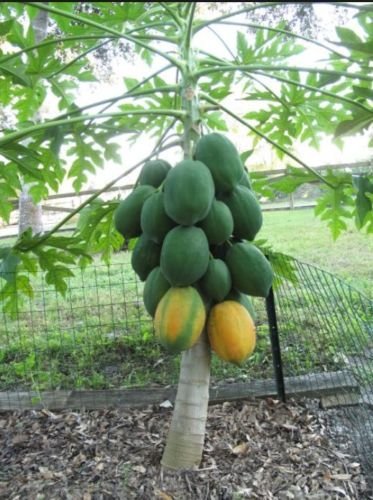
Here are 10 Dwarf Waimanalo papaya seeds (And we always throw in a few extra!). These seeds are very fresh and were just harvested. The Dwarf Waimanalo papaya is an uncommon variety of dwarf papaya that tastes extremely sweet and delicious.

【Gentle Harvesting& Less Bruising】:This fruit picker basket features a cushioned foam pad that gently absorbs impact when fruits drop, helping reduce bruising and damage. The large-capacity metal basket is suitable for fruits ranging from 1-5.5 inches in diameter. Such as apples, mangoes, cherries, and other fruits, it ensures cleaner and safer picking with less waste.
1. Mango Trees
Mango trees are a popular choice for Indian gardens due to their delicious fruits, which are the national fruit of India. They thrive in tropical climates and require full sun to produce an abundant harvest. Varieties like Alphonso, Dasheri, and Langra are well-loved for their unique flavors.
2. Guava Trees
Guava trees are another excellent option for Indian gardens, particularly in regions with warm weather. These trees are relatively low-maintenance and produce juicy, vitamin C-rich fruits. Varieties such as Lucknow 49 and Allahabad Safeda are favored for their flavorful fruits.
3. Lemon Trees
Lemon trees are ideal for Indian gardens, especially in areas with well-draining soil and plenty of sunlight. They not only provide an ample supply of fresh, tangy lemons but also add a refreshing aroma to your garden. Varieties like Eureka and Lisbon are suitable for Indian climates.
4. Pomegranate Trees
Pomegranate trees thrive in subtropical conditions, making them a great choice for Indian gardens. They produce nutrient-rich, antioxidant-packed fruits that are as beautiful as they are delicious. Varieties such as Ganesh and Bhagwa are popular choices for Indian gardeners.
5. Papaya Trees
Papaya trees are fast-growing and perfect for Indian gardens with warm temperatures and well-drained soil. They produce sweet and nutritious fruits throughout the year, adding a tropical touch to your garden. Varieties like Red Lady and Pusa Delicious are well-suited for Indian growing conditions.
Benefits of Growing Fruit Trees in Indian Gardens
Planting fruit trees in your Indian garden offers numerous advantages that go beyond just having fresh fruits at your disposal. Here are the benefits you can enjoy when you cultivate fruit trees in your outdoor space:
1. Fresh and Nutritious Produce
Grow your fruit trees, such as mango, guava, lemon, pomegranate, and papaya trees, to enjoy a constant supply of fresh and nutritious fruits right from your garden. These fruits are not only delicious but also rich in essential vitamins, minerals, and antioxidants, contributing to your overall health and well-being.
2. Cost-Efficiency and Convenience
By cultivating fruit trees in your garden, you reduce your dependency on store-bought fruits, saving you money in the long run. Additionally, having fruits readily available in your backyard eliminates the need for frequent trips to the market, providing ultimate convenience at your fingertips.
3. Environmental Benefits
Growing fruit trees in your garden contributes to the environment by promoting biodiversity, attracting beneficial pollinators like bees and butterflies, and enhancing the overall ecosystem of your backyard. It also reduces your carbon footprint by minimizing the transportation and packaging associated with store-bought fruits.
4. Enhanced Aesthetics and Shade
Fruit trees not only bear fruits but also add beauty and greenery to your garden landscape, enhancing its visual appeal. These trees provide natural shade, creating a cool and inviting outdoor space where you can relax, host gatherings, or simply enjoy the tranquility of nature.
5. Educational Opportunities
Cultivating fruit trees in your garden offers educational benefits for both children and adults. It provides a hands-on learning experience about plant growth, fruit development, and the importance of sustainable gardening practices. It can be a fun and interactive way to teach about nature and the environment.
6. Community Building
Sharing your homegrown fruits with neighbors, friends, and local communities can foster connections, promote a sense of sharing, and strengthen social bonds. It creates opportunities for collaboration, exchange of gardening tips, and a shared appreciation for locally grown produce.
Conclusion
You now have a wealth of information to guide you in selecting the perfect fruit trees for your Indian garden. Remember to consider factors like climate, soil, space, and maintenance requirements. From tropical delights like mango and guava to refreshing citrus options such as lemon and orange, there’s a variety to choose from. Explore subtropical picks like pomegranate and avocado, or opt for temperate classics like apple and pear. The top 5 fruit trees highlighted – mango, guava, lemon, pomegranate, and papaya – offer a diverse range to suit different Indian climates. Growing fruit trees not only provides fresh produce but also brings cost-efficiency, environmental benefits, aesthetic appeal, educational experiences, and opportunities for community bonding. Happy gardening!
Frequently Asked Questions
1. What factors should I consider when selecting fruit trees for my Indian garden?
When choosing fruit trees for your Indian garden, consider the climate, soil conditions, space availability, pollination requirements, and maintenance needs.
2. What are the different categories of fruit trees suitable for Indian gardens?
Fruit trees for Indian gardens fall into various categories like tropical fruits (mango, guava), citrus fruits (lemon, orange), subtropical options (pomegranate, avocado), and temperate choices (apple, pear).
3. Which are the top 5 fruit trees recommended for Indian gardens?
The top 5 fruit trees well-suited for Indian gardens are mango trees, guava trees, lemon trees, pomegranate trees, and papaya trees, catering to different climate conditions in India.
4. What are the benefits of growing fruit trees in Indian gardens?
Growing fruit trees in Indian gardens offers benefits such as fresh and nutritious produce, cost-efficiency, environmental benefits, enhanced aesthetics and shade, educational opportunities, and community building through sharing homegrown fruits with neighbors and local communities.
