

Do you dream of having a thriving fruit garden at 3500 ft on the West Coast, but you’re not sure where to start? Picture this: you step outside your door, pluck a juicy, ripe fruit straight from your own tree, and savor the sweet taste of success.
In this article, you’ll uncover the best fruit trees perfectly suited for the unique climate and conditions at 3500 ft on the West Coast. Imagine the satisfaction of growing your own fresh, organic fruits while enhancing the beauty of your landscape.
Get ready to embark on a fruitful journey as we guide you through selecting the ideal fruit trees that will flourish in your garden oasis at 3500 ft on the enchanting West Coast.
Key Takeaways
- Consider Climate Suitability: Choose fruit trees like apples, pears, and cherries that thrive in cooler climates at 3500 ft on the West Coast.
- Evaluate Soil Adaptability: Opt for trees like plums, apricots, and peaches known for their adaptability to different soil types prevalent at 3500 ft.
- Check Pollination Needs: Some trees like apples and cherries require cross-pollination for better fruit production; consider planting multiple trees to meet requirements.
- Assess Space Availability: Determine space for mature tree size, opt for dwarf varieties for smaller gardens and standard trees for larger spaces.
- Prioritize Maintenance Requirements: Different trees have varying care needs; be prepared for pruning, fertilizing, and pest control to ensure healthy growth.
- Note Harvesting Times: Plan a mix of trees with staggered fruiting seasons for a continuous harvest and maximum yield.
Factors to Consider Before Choosing Fruit Trees
When deciding on the best fruit trees for your garden at 3500 ft on the West Coast, several crucial factors should guide your selection:
Climate Suitability
Ensure the fruit trees you choose can thrive in the specific climate conditions at 3500 ft on the West Coast. Look for trees that are cold-hardy and can withstand potential frost in this region.
Soil Adaptability
Check that the fruit trees you select can grow in the soil type prevalent at 3500 ft on the West Coast. Different fruit trees have varying soil requirements, so it’s essential to match the tree’s preferences with your garden’s soil characteristics.
Pollination Needs
Some fruit trees, like apple or pear trees, require cross-pollination to produce fruit. Make sure you have adequate space to plant multiple trees or choose self-pollinating varieties if space is limited.
Space Availability
Consider the mature size of the fruit trees you want to plant. Ensure you have enough space in your garden to accommodate the growth of the trees without overcrowding or overshadowing other plants.
Maintenance Requirements
Different fruit trees have varying maintenance needs, such as pruning, fertilizing, and pest management. Select fruit tree varieties that align with the time and effort you can dedicate to caring for your garden.
Fruit Harvesting Time
Understand the fruiting seasons of the trees you plan to grow. Select a mix of fruit trees with staggered harvest times to enjoy a more extended fruiting season and maximize your garden’s yield.
Local Regulations
Check with local authorities or gardening experts regarding any regulations or restrictions on planting specific fruit tree varieties in your area at 3500 ft on the West Coast to avoid any complications later on.
Watering Requirements
Consider the water needs of the fruit trees you’re considering. Choose trees that are suited to the natural water availability in the region to minimize the need for excessive watering.
Pest and Disease Resistance
Opt for fruit tree varieties that are known for their resistance to common pests and diseases prevalent in the West Coast region at 3500 ft. This proactive approach can help reduce the need for chemical treatments.
With these factors in mind, you can make informed decisions when selecting the best fruit trees for your garden at 3500 ft on the West Coast, ensuring a successful and fruitful harvest.
Best Fruit Trees for 3500 ft in the West Coast
Recommended Products

Product Quantity: 180+ premium bonsai fruit seeds across 5 varieties; Individual packs contain 40+ apple, 40+ lemon, 40+ orange, 20+ blueberry, and 40+ cherry seeds; Perfect for starting a diverse miniature orchard

Package: 5 Individual Packs, 40+ Lemon Tree Seeds 40+ Cherry Tree Seeds 40+ Orange Tree Seeds 40+ Apple Seeds 20+ Blueberry Seeds
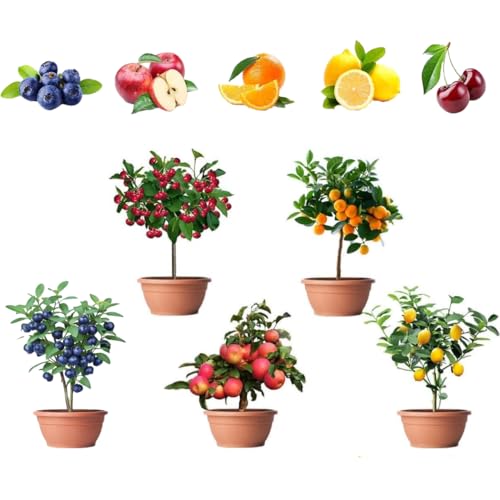
Variety Pack of 5 Fruits: Includes 40 Lemon seeds, 40 Orange seeds, 40 Apple seeds, 20 Cherry seeds, and 20 Blueberry seeds for a colorful and diverse home garden
Choosing the Right Fruit Trees
Selecting the best fruit trees for your garden at 3500 ft on the West Coast requires careful consideration of various factors to ensure a successful and fruitful harvest. Here are some essential tips to guide you in making the right choices:
- Consider Climate Suitability: Opt for fruit trees like apples, pears, and cherries that thrive in cooler climates commonly found at higher elevations on the West Coast.
- Evaluate Soil Adaptability: Ensure the fruit trees you select can adapt to the specific soil conditions at 3500 ft. Trees like plums, apricots, and peaches are known for their adaptability to different soil types.
- Check Pollination Needs: Some fruit trees, such as apples and cherries, require cross-pollination for better fruit production. Consider planting multiple trees or varieties to meet their pollination requirements.
- Assess Space Availability: Determine the space available in your garden to accommodate the mature size of the fruit trees. Dwarf or semi-dwarf varieties are ideal for smaller spaces, while standard trees need more room to grow.
- Account for Maintenance Requirements: Different fruit trees have varying maintenance needs. Be prepared to provide proper care, including pruning, fertilizing, and pest control, to ensure healthy tree growth and abundant fruit production.
- Note Fruit Harvesting Times: Fruit trees have specific harvesting seasons. Plan your garden with a mix of trees that bear fruit at different times to enjoy a continuous supply of fresh produce throughout the growing season.
- Check Local Regulations: Before planting fruit trees, familiarize yourself with local regulations or restrictions that may affect the types or number of trees you can plant in your area.
- Adjust Watering Needs: Consider the watering requirements of each fruit tree species and adjust your watering schedule accordingly to ensure optimal growth and fruit development.
- Prioritize Pest Resistance: Choose fruit tree varieties that are known for their resistance to common pests and diseases prevalent in the region to minimize the need for chemical interventions.
Maintenance Tips for Fruit Trees at 3500 ft
Caring for fruit trees at 3500 ft on the West Coast requires specific attention to detail to ensure their optimal growth and fruit production. Here are some essential maintenance tips to help you nurture your fruit trees effectively:
Recommended Products

DUAL CUTTING POWER: VERSATILE PRUNING COMBO --- With both Pruning Shears and Pruning Snip, this combo delivers unmatched versatility. Whether you're delicately trimming flowers and shrubs, tackling thicker tree branches, or tending to your vegetable and fruit garden, our combo pack excels in all areas. They're also perfect for landscaping projects and maintaining the health and appearance of indoor plants. With this pack, you have a versatile tool that simplifies your gardening tasks.

· ULTRA-SHARP SK5 STAINLESS STEEL - Engineered with premium SK5 stainless steel, these heavy duty pruning shears deliver razor-sharp precision and maximum hardness. The rust-resistant blades are designed to stay sharp longer, effortlessly resisting corrosion and sap buildup for smooth, friction-free garden shears performance year after year.

ULTRA SHARP - Much less effort to cut branches with our pruning shears. Crafted from premium SK5 steel with titanium coating, our garden scissors and garden clippers boast exceptional durability and sharpness. A perfect pruning shears for gardening and a must-have garden tool, hedge clippers pruners for gardening
Soil Management
Check the soil pH regularly to ensure it’s within the suitable range for your fruit trees. Adjust the pH if needed by adding organic matter or specific soil amendments. Mulch around the base of the trees to retain moisture and regulate soil temperature.
Pruning Practices
Prune your fruit trees during the dormant season to remove dead or diseased branches, improve air circulation, and shape the tree for better fruit production. Avoid over-pruning, as it can stress the tree and reduce fruit yield.
Irrigation Needs
Monitor the water requirements of your fruit trees, especially during hot and dry periods. Provide deep, infrequent watering to encourage deep root growth and drought tolerance. Consider installing a drip irrigation system for efficient water delivery.
Fertilization Schedule
Follow a regular fertilization schedule based on the nutrient requirements of your fruit trees. Use organic fertilizers to avoid chemical buildup in the soil. Apply fertilizers in the early spring to support healthy growth and fruit development.
Pest and Disease Control
Inspect your fruit trees regularly for signs of pests and diseases. Implement integrated pest management techniques such as introducing beneficial insects, using traps, and applying organic sprays when necessary. Prune and remove any infected branches to prevent the spread of diseases.
Winter Protection
Protect your fruit trees from frost and cold temperatures during the winter months. Cover young trees with frost blankets or tree wraps to prevent frost damage. Consider planting cold-hardy fruit tree varieties suited to the local climate.
Harvesting and Pruning Timing
Time your fruit tree pruning and harvesting according to the specific requirements of each fruit variety. Research the optimal harvest times for different fruits to ensure they are picked at peak ripeness. Prune fruit trees after harvesting to stimulate new growth.
By implementing these maintenance tips, you can promote the health and productivity of your fruit trees at 3500 ft on the West Coast, leading to a fruitful and rewarding growing experience.
Harvesting and Enjoying Fruits
When it comes to harvesting and enjoying fruits from your thriving fruit garden located at 3500 ft on the West Coast, proper timing and techniques are key to ensure a bountiful harvest season. Here are some essential tips to help you make the most of your fruit trees:
1. Timing is Crucial
Harvesting fruits at the right time is crucial for optimal taste and freshness. Different fruits have specific indicators to determine their readiness to be picked. For example, for apples, gently twist the fruit, and if it comes off easily from the tree with the stem attached, it’s ready to be harvested. On the other hand, citrus fruits like oranges should be harvested once they reach full color and firmness.
2. Handle with Care
When harvesting fruits, handle them with care to avoid damage and ensure they stay fresh for longer. Use a sharp pair of pruning shears or scissors to cut the fruits from the tree gently. Avoid dropping or roughly handling the fruits, especially delicate ones like berries.
3. Proper Storage
After harvesting, proper storage is essential to maintain the fruits’ quality. Store fruits in a cool, dark place to prevent premature ripening. Some fruits, like apples and pears, benefit from refrigeration, while others, such as bananas and tomatoes, should be stored at room temperature.
4. Enjoying the Fruits of Your Labor
Once you’ve harvested and stored your fruits, it’s time to enjoy the literal fruits of your labor. Get creative with how you incorporate your homegrown produce into meals. From making fresh fruit salads to baking pies and jams, the possibilities are endless.
5. Sharing the Bounty
If your fruit trees have yielded more produce than you can consume, consider sharing the bounty with friends, family, or neighbors. Sharing fresh fruits not only spreads joy but also strengthens community bonds and reduces food wastage.
By following these tips and techniques for harvesting and enjoying fruits from your fruit garden at 3500 ft on the West Coast, you can savor the delicious flavors of your homegrown produce while reaping the rewards of your dedicated care and attention to your fruit trees.
Conclusion
You now have a wealth of knowledge on choosing the perfect fruit trees for your 3500 ft West Coast garden. By considering factors like climate, soil, and maintenance, you can ensure a bountiful harvest and a beautiful landscape. Remember to follow the maintenance tips provided, from soil management to pest control, to keep your fruit trees healthy and productive. Harvest your fruits at the right time, handle them gently, and explore creative ways to enjoy your homegrown produce. Sharing your excess fruits can not only reduce food waste but also foster community connections. With these guidelines, you’re well-equipped to nurture your fruit trees and enjoy the fruits of your labor in this unique climate. Happy gardening!
Frequently Asked Questions
Q: What factors should I consider when selecting fruit trees for a garden at 3500 ft on the West Coast?
A: Choose fruit trees based on climate suitability, soil adaptability, and maintenance requirements.
Q: What are some essential maintenance tips for caring for fruit trees at 3500 ft?
A: Include soil management, proper pruning, adequate irrigation, timely fertilization, pest and disease control, winter protection, and knowing when to harvest and prune.
Q: How can I ensure I harvest and enjoy the fruits from my garden effectively?
A: Harvest at the right time, handle fruits gently, store them correctly, explore creative ways to use produce, and share excess fruits to reduce waste and build community connections.
