

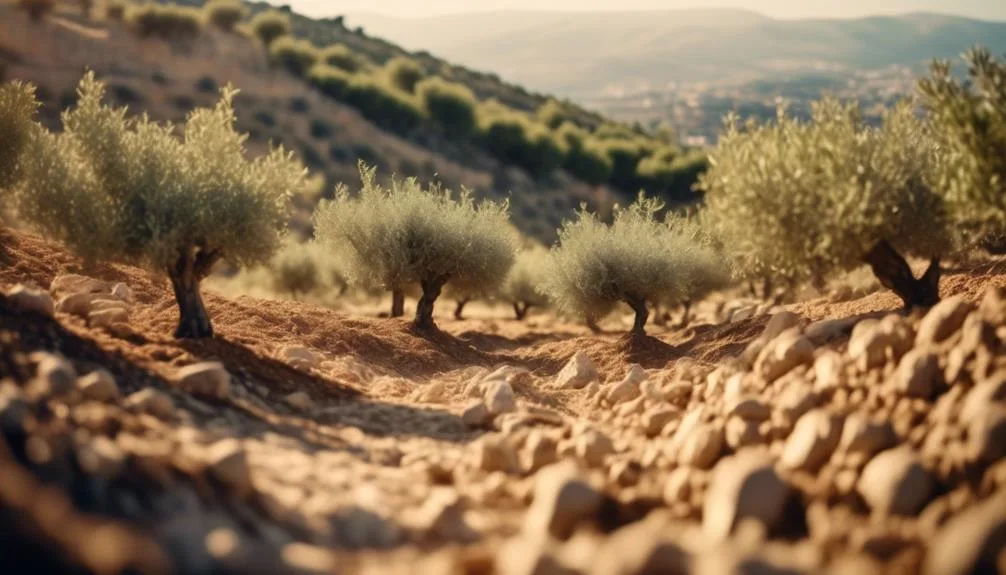
The olive tree has been cultivated for over 6,000 years, making it one of the oldest known cultivated trees.
Choosing the right spot to plant your olive trees is crucial for their optimal growth and fruit production. Factors like soil type and sunlight are important to consider when selecting the ideal location for your olive grove.
Understanding these key elements will help you establish a thriving orchard and maximize the yield of these timeless trees.
Key Takeaways
- Olive trees require hot, dry summers and mild, wet winters for optimal growth.
- Well-drained soil with a pH range of 6-7 is necessary to prevent waterlogging and root rot.
- Olive trees need at least six hours of direct sunlight daily for even growth, fruit production, and disease resistance.
- Wind protection and proper spacing are important to prevent damage, reduce fruit yield, and promote optimal growth.
Climate and Soil Requirements
To ensure optimal growth of your olive trees, it's crucial to carefully consider the climate and soil requirements in your planting area. Olive trees thrive in areas with hot, dry summers and mild, wet winters. They require well-drained soil to prevent waterlogging, which can lead to root rot.
The ideal temperature for olive tree growth is between 70-85°F, and they require moderate moisture levels, especially during the growing season. When it comes to soil, pH levels play a significant role in the tree's health. Olive trees prefer slightly acidic to neutral soil, with a pH range of 6-7.
Additionally, they require essential nutrients such as nitrogen, phosphorus, and potassium for robust growth. Ensuring the right balance of pH levels and nutrients in the soil is vital for the successful cultivation of olive trees.
Recommended Products

KNOW BEFORE YOU GROW | Grow the healthiest, sustainable lawn and garden with the most accurate and easy to use professional soil test kit on the market

Accurate Soil pH Testing: Dewildetradingco Soil pH Test Strips offer measurements of soil pH levels (pH 3.5-9). As an essential tool for every gardener and grower, these test strips help determine the optimal pH for various plants, such as outdoor plants, indoor plants, gardens, grass lawns, fruit trees, flowers, vegetables, and forest shrubs.

Kindly NOTE: This soil tester can not be applied to test pH value of any other liquid. If the soil is too dry the indicator will not move, and water it before testing.
Sunlight and Shade Considerations
When selecting a planting site for your olive trees, ensure they receive at least six hours of direct sunlight daily for optimal growth and fruit production. Sunlight and shade considerations are crucial for the health and productivity of your olive trees. Here are some important factors to keep in mind:
- Pruning Techniques: Proper sunlight exposure promotes even growth, making pruning more effective for shaping the trees and maintaining their health.
- Tree Health: Sunlight helps in photosynthesis and overall tree vigor, contributing to better resistance against diseases and pests.
- Pest Control: Adequate sunlight reduces humidity levels, making the environment less favorable for pests and thus aiding in pest control.
- Disease Prevention: Good air circulation due to proper sunlight penetration can help prevent fungal diseases.
Ensuring your olive trees receive the right amount of sunlight is essential for their overall well-being and productivity.
Wind and Exposure Factors
Considering the impact of wind and exposure on your olive trees is crucial for their healthy growth and fruit production. Wind protection is especially important in coastal locations where strong coastal winds can damage olive trees and reduce fruit yield. Additionally, elevation plays a significant role, particularly in mountainous regions where exposure to strong winds can hinder growth. To ensure optimal growth, it's essential to plant olive trees in locations shielded from strong winds, such as behind natural windbreaks or man-made barriers. Here's a table to help you understand how wind and exposure affect olive trees:
| Wind Protection | Elevation |
|---|---|
| Shield from strong winds behind natural barriers | Consider the impact of elevation on wind exposure |
| Man-made windbreaks | Opt for sheltered locations |
Understanding and addressing wind and exposure factors will contribute to the healthy development and productivity of your olive trees.
Watering and Drainage Needs
In order to ensure the healthy growth and productivity of your olive trees, understanding their watering and drainage needs is essential for maintaining optimal conditions and avoiding potential issues with the soil and root systems. When it comes to watering and drainage for your olive trees, consider the following:
- Soil composition: Choose well-draining soil with a mix of sand, clay, and organic matter to prevent waterlogging and root rot.
- Irrigation methods: Opt for drip irrigation or soaker hoses to deliver water directly to the roots and minimize water waste.
- Watering frequency: Water deeply but infrequently to encourage deep root growth and drought tolerance.
- Drainage: Ensure good drainage by planting olive trees in slightly elevated areas or using raised beds to prevent water accumulation around the roots.
Understanding and implementing these watering and drainage practices will help your olive trees thrive.
Recommended Products
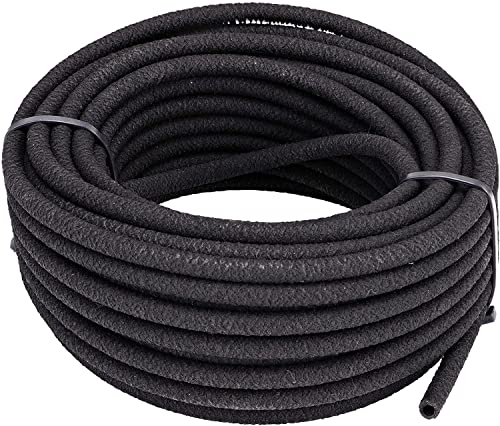
Slowly waters the soil around your plants for complete root zone hydration; Ideal for short runs on flat surfaces, such as vegetable gardens, borders, and around small plants

【Even & Consistent Root Watering】Features micro-pore seepage technology that distributes water evenly along the entire hose, transforming spot watering into uniform line watering directly to plant roots. Unlike traditional drip irrigation systems with clog-prone emitters, this soaker hose creates a continuous moisture band for healthier, deeper-rooted plants

1/2" Water-Saving & Durable Construction with Upgraded Formula: Our enhanced soaker hose blend delivers ultra-consistent water seepage while maximizing water savings, plus improved tensile strength, durability, and flexibility. It’s easy to handle, resistant to kinks, and built to stand up to long-term use in lawns, yards, landscaping, and tree watering applications.
Spacing and Companion Planting
To ensure the optimal growth and health of your olive trees, carefully consider the spacing and companion planting for maximum benefits in your orchard.
Proper spacing between olive trees is vital to prevent root competition and ensure adequate access to nutrients and water. Olive trees should be planted at least 20 feet apart to allow ample room for their extensive root systems and to prevent overcrowding as they mature.
Additionally, companion planting with compatible species can enhance the overall health of your olive trees. Consider planting nitrogen-fixing plants such as legumes or beneficial insect-attracting flowers near your olive trees to improve soil fertility and pest management.
Thoughtful tree arrangement and companion planting not only promote the well-being of your olive trees but also contribute to a thriving and balanced orchard ecosystem.
Conclusion
Choose the ideal spot in your garden or orchard to plant your olive trees, ensuring they have the right climate, soil, sunlight, and watering. Consider wind exposure, spacing, and companion plants to support their growth.
With these considerations in mind, your olive trees will thrive and provide abundant harvests for years to come.
Happy planting!
