

Avocado trees can grow in Arlington, TX, but success depends on specific conditions and care. With the right variety and proper maintenance, homeowners can enjoy homegrown avocados in North Texas.
Choosing Avocado Varieties for North Texas
When selecting avocado varieties for North Texas, particularly in Arlington, it’s crucial to consider the region’s unique climate and soil conditions. Certain varieties are better suited to withstand the local temperatures and potential frost, ensuring a successful harvest. Understanding these factors will help you make informed decisions for your avocado cultivation.
Selecting the right avocado tree variety is crucial for successful growth in Arlington. The climate in North Texas can be challenging for some avocado types.
Choosing a cold-hardy variety will increase your chances of thriving trees. Consider these popular options:
Hass: This variety is well-known for its creamy texture and rich flavor. It requires a warmer climate but can adapt with proper care.
Fuerte: A hybrid that is more tolerant of cooler temperatures. It produces smooth-skinned fruit and is a good choice for North Texas.
Bacon: Another cold-hardy option that can withstand lower temperatures. It has a milder flavor and is less oily than other varieties.
| Variety | Cold Hardiness | Flavor Profile | Growth Rate |
|---|---|---|---|
| Hass | Moderate | Creamy | Medium |
| Fuerte | High | Smooth | Fast |
| Bacon | High | Mild | Medium |
Recommended Products

RESTRICTIONS - If you live in Arizona and order this tree, your order will be canceled.

Easy to Grow – Requires minimal care and thrives in full sun or partial shade
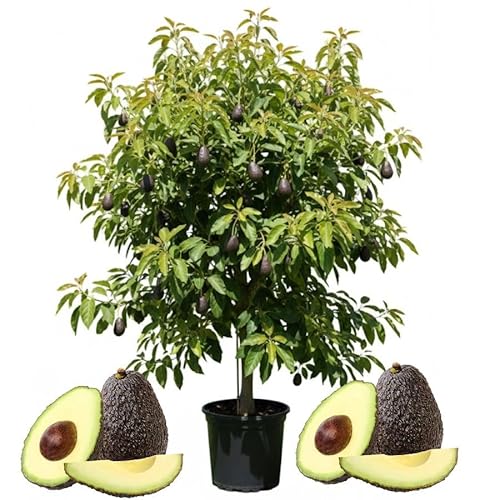
Hass Avocado Plant - 3 Gallon Size
Optimal Site Preparation for Avocado Trees
Preparing the right site is crucial for successfully growing avocado trees in Arlington, TX. This section outlines essential steps to ensure optimal soil conditions, drainage, and sunlight exposure, all of which contribute to the healthy growth of these trees in North Texas’s unique climate. Understanding these factors will help you create the perfect environment for your avocado plants.
Proper site preparation is essential for the health of avocado trees. Choose a location with full sun exposure and well-draining soil.
Avoid areas prone to standing water, as avocados are susceptible to root rot. Follow these steps for optimal planting conditions:
Select a sunny spot: Ensure the area receives at least 6-8 hours of sunlight daily.
Test the soil: Use a soil test kit to determine pH and nutrient levels. Avocados prefer slightly acidic soil (pH 6-7).
Amend the soil: If necessary, add organic matter like compost to improve drainage and nutrient content.
Avocado Tree Watering and Nutrition Strategies
Proper watering and nutrition are crucial for the successful growth of avocado trees in Arlington, TX. Understanding the specific needs of these trees in North Texas can help ensure they thrive in the local climate. This section explores effective strategies to maintain optimal hydration and nutrient levels for healthy avocado production.
Watering and fertilization are critical for avocado tree health. Overwatering can lead to root rot, while underwatering can stress the tree.
Establish a consistent watering schedule based on the season. Consider these guidelines:
Water deeply: Water the tree thoroughly, allowing the soil to dry slightly between waterings.
Use mulch: Apply a layer of mulch around the base to retain moisture and regulate soil temperature.
Fertilize regularly: Use a balanced fertilizer specifically formulated for fruit trees. Apply in early spring and mid-summer.
Recommended Products

Natural and Organic Hand Crafted Blend

CITRUS PLANT FOOD: This avacado, mango and citrus fruit tree fertilizer feeds plants for up to 3 months and nourishes above and below the soil

FORMULATED FOR CITRUS AND FRUIT TREES: Use these citrus fertilizer spikes on apple, orange, lemon, lime, and avocado trees; this formula is also great for feeding palm trees
Cold Weather Protection for Avocado Trees
Avocado trees thrive in warm climates, but their success in Arlington, TX hinges on effective cold weather protection. Understanding the specific challenges posed by North Texas winters is crucial for ensuring these trees not only survive but also flourish. This section explores practical strategies to safeguard avocado trees from the cold, helping local gardeners achieve a fruitful harvest.
North Texas winters can be harsh, posing a risk to avocado trees. Protecting them from frost and freezing temperatures is essential for survival. Implement these protective measures:
Cover the trees: Use frost cloths or blankets to cover the trees during cold snaps. Ensure they are removed during the day to allow sunlight in.
Plant in a sheltered area: Positioning trees near structures can provide some windbreak and heat retention.
Consider container planting: Growing avocado trees in pots allows for easy relocation during extreme weather.
Recommended Products

Thicker Material -- Made with 1.2oz non-woven polypropylene fabric, our plant freeze protection covers are durable, tear-resistant, and provide optimal insulation for your plants against harsh winter conditions.Breathable non-woven fabric allow light, air and moisture go through the frost cloths and reach the plants

Premium Material - Made of 2.06 oz/yd²(70gsm) breathable, non-woven fabric, the frost blankets for outdoor plants are an affordable, durable, and convenient way to provide frost and cold protection to outdoor plants. Breathable yet waterproof, these winter plant covers allow sunlight to penetrate while shielding a plant from cold air and helping to maintain a consistent inner temperature.
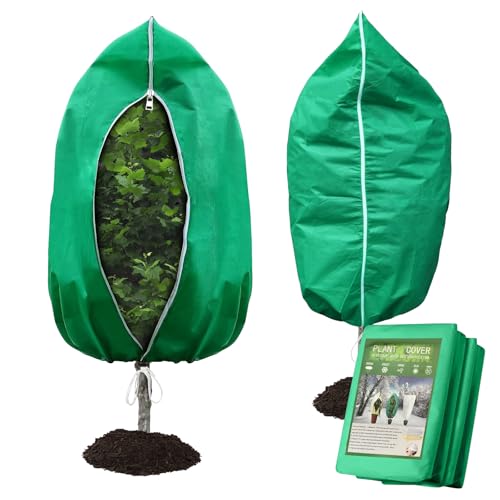
🌬️ Ultimate Cold Weather Protection:Crafted from thick 2.8oz/yd² non-woven fabric, our HEKIWAY plant freeze covers shield your trees and plants from frost, snow, wind, and ice. A reliable barrier for harsh winters, ensuring your greenery survives and thrives
Avocado Tree Pest and Disease Solutions
In Arlington, TX, avocado trees face unique challenges from pests and diseases that can hinder their growth and fruit production. Understanding these threats and implementing effective solutions is crucial for successful cultivation in North Texas. This section explores the common issues avocado trees encounter and provides practical strategies to mitigate them.
Pests and diseases can threaten the health of avocado trees. Regular monitoring and proactive measures can help maintain tree vitality. Be aware of common issues and how to address them:
Avocado thrips: These small pests can damage leaves. Use insecticidal soap or neem oil for control.
Root rot: Caused by overwatering, ensure proper drainage and avoid waterlogged soil.
Powdery mildew: This fungal disease appears as white powder on leaves. Improve air circulation and apply fungicides if necessary.
| Pest/Disease | Symptoms | Control Method |
|---|---|---|
| Avocado thrips | Damaged leaves | Insecticidal soap |
| Root rot | Wilting, yellowing | Improve drainage |
| Powdery mildew | White powdery spots | Fungicides |
Optimal Harvesting Techniques for Avocados
Harvesting avocados at the right time is crucial for maximizing yield and quality, especially in the unique climate of Arlington, TX. Understanding the optimal techniques for picking and handling avocados can significantly enhance the fruit’s flavor and shelf life. This section explores the best practices tailored for North Texas growers to ensure a successful harvest.
Once your avocado trees start producing fruit, proper harvesting techniques will ensure the best flavor. Avocados do not ripen on the tree, so timing is key. Follow these steps for optimal harvesting:
Check maturity: Harvest avocados when they reach full size and have a slightly soft texture.
Use pruning shears: Cut the fruit from the tree carefully to avoid damage.
Ripen at room temperature: Place harvested avocados in a paper bag to speed up ripening.
Ensure you enjoy the fruits of your labor by incorporating fresh avocados into your meals.
