

Olive trees can thrive in Mississippi’s climate, offering a unique opportunity for local growers. With proper care and attention, these trees can produce high-quality olives suitable for oil production and culinary use.
Olive Tree Varieties for Mississippi Conditions
Mississippi’s unique climate and soil conditions create an ideal environment for cultivating specific olive tree varieties. Understanding which types thrive in this region is essential for successful growth and harvest. This section explores the most suitable olive tree varieties that can flourish in Mississippi, ensuring a fruitful yield for local growers.
Choosing the right olive tree variety is essential for successful growth in Mississippi. The climate, soil type, and local pests all influence which varieties will thrive. Popular choices include:
Arbequina: Adaptable and drought-resistant, this variety produces high-quality olives for oil.
Frantoio: Known for its robust flavor, it is ideal for oil production.
Koroneiki: This Greek variety is well-suited for hot climates and yields excellent oil.
Understanding the specific needs of each type helps ensure a successful harvest.
Recommended Products
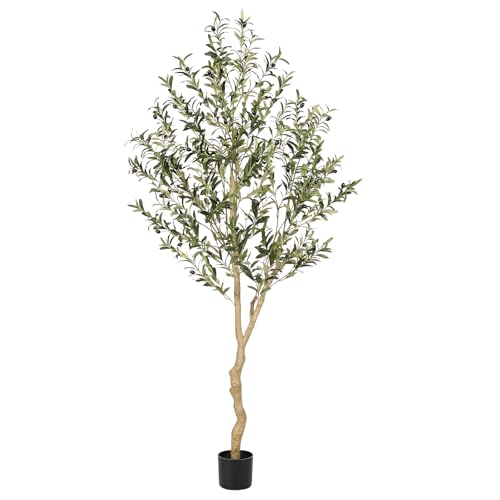
Authentic & Realistic Appearance: Every detail is meticulously crafted with lifelike leaves that mimic the natural texture and veining of real olive foliage, while the twisted, weathered trunk boasts intricate bark patterns that replicate the organic irregularities of century-old trees. Creating a natural and comfortable atmosphere, adding color to your room. This artificial olive tree will become a seasonal home decoration

READY TO PLANT: These 3 thriving Dwarf Fruitless Olive saplings (Olea europaea 'Montra') arrive in 2.5-inch nursery cubes, ready to plant. A smaller counterpart of the Fruitless Olive, these small compact fruitless shrubs offer the same beauty at a smaller size.
Optimal Soil Conditions for Olive Cultivation
Understanding the optimal soil conditions for olive cultivation is crucial for successful growth in Mississippi’s unique climate. The right soil type not only supports healthy root development but also influences the overall yield and quality of the olives. This section will explore the specific soil characteristics that promote thriving olive trees in the Deep South.
Olive trees prefer well-drained, sandy or loamy soils. Heavy clay soils can lead to root rot.
Conduct a soil test to determine pH and nutrient levels. Ideal conditions include:
pH Level: 6.0 to 8.0
Drainage: Excellent drainage is crucial to prevent waterlogging.
Nutrient Content: Ensure adequate potassium and phosphorus for optimal growth.
Improving soil conditions may involve adding organic matter or sand to enhance drainage.
Mississippi Climate Effects on Olive Growth
Mississippi’s unique climate plays a crucial role in the growth and harvest of olive trees, influencing their development and yield. Understanding the interplay between temperature, humidity, and soil conditions is essential for optimizing olive cultivation in this region. The following section delves into how these climatic factors specifically affect the growth of olive trees in Mississippi.
Mississippi’s climate can be both beneficial and challenging for olive trees. Key factors include:
Temperature: Olive trees thrive in temperatures between 60°F and 100°F.
Frost Risk: Young trees are susceptible to frost damage. Planting in sheltered areas can mitigate this risk.
Humidity: While olive trees tolerate some humidity, excessive moisture can lead to fungal diseases.
Monitoring local weather patterns will help in managing these risks effectively.
Irrigation Techniques for Olive Tree Health
Effective irrigation techniques are crucial for the health and productivity of olive trees in Mississippi’s unique climate. Given the region’s varying rainfall patterns, understanding how to optimize water delivery can significantly enhance growth and fruit yield. This section explores the best practices for irrigating olive trees to ensure they thrive in the Deep South.
Proper watering is crucial for olive tree health. These trees are drought-tolerant but require consistent moisture during the growing season. Consider the following:
Irrigation Schedule: Water deeply every 2-4 weeks during dry spells.
Mulching: Apply organic mulch to retain soil moisture and regulate temperature.
Drainage: Ensure that irrigation systems do not create standing water.
Adjusting watering practices based on weather conditions can enhance tree resilience.
Olive Tree Pest and Disease Control Strategies
Managing pests and diseases is crucial for the successful cultivation of olive trees in Mississippi. Given the unique climate and environmental conditions of the Deep South, understanding effective control strategies can help ensure healthy growth and a bountiful harvest. This section explores various methods to protect olive trees from common threats while promoting their vitality.
Pests and diseases can threaten olive tree health. Regular monitoring is essential. Common issues include:
Olive Fruit Fly: This pest can damage fruit. Use traps and insecticides as needed.
Fungal Diseases: Powdery mildew and root rot are common. Ensure good air circulation and avoid overwatering.
Nutrient Deficiencies: Yellowing leaves may indicate nutrient issues. Conduct soil tests and amend as necessary.
Implementing an integrated pest management strategy will help maintain healthy trees.
Optimal Harvest Timing for Mississippi Olives
Understanding the optimal harvest timing for olive trees in Mississippi is crucial for maximizing yield and ensuring quality. The unique climate and growing conditions in the Deep South influence when olives reach their peak ripeness, making it essential for growers to be well-informed about the specific indicators and timing that signal the right moment for harvest.
Harvesting olives at the right time is critical for quality. Here are key points to consider:
Timing: Harvest when olives turn from green to purple or black, depending on the variety.
Methods: Hand-picking is labor-intensive but preserves fruit quality. Mechanical harvesters can speed up the process for larger operations.
Post-Harvest Handling: Store olives in a cool, dry place to prevent spoilage.
Using proper techniques ensures high-quality olives for oil production or culinary use.
Olive Tree Growth Conditions in Mississippi
Olive trees have increasingly captured the interest of Mississippi farmers and gardeners, thanks to the state’s unique climate and soil conditions. Understanding the specific growth requirements for these trees is essential for successful cultivation in the Deep South, where factors like temperature, moisture, and soil type play crucial roles in their development and productivity.
| Factor | Ideal Condition | Notes |
|---|---|---|
| Soil Type | Sandy or Loamy | Well-drained |
| pH Level | 6.0 to 8.0 | Test regularly |
| Temperature | 60°F to 100°F | Protect from frost |
| Irrigation Frequency | Every 2-4 weeks | Adjust based on rainfall |
| Pest Management | Regular monitoring | Use traps and organic pesticides |
Implementing these guidelines will enhance the growth and yield of olive trees in Mississippi. Regular attention to soil, climate, and pest management will result in a successful harvest.
