

Mango trees can thrive in pots in New Hampshire with proper care and attention. Selecting the right pot, soil, and location will ensure your tree flourishes despite the colder climate.
Choosing the Ideal Pot for Mango Trees
Selecting the right pot is crucial for cultivating mango trees in New Hampshire. The ideal container not only supports healthy growth but also accommodates the unique climate challenges of New England. Understanding the specific requirements for pot size, material, and drainage will help ensure your mango tree thrives in its potted environment.
Choosing the appropriate pot is crucial for the health of your mango tree. A large, sturdy pot allows for root growth while providing stability against wind. Ensure the pot has adequate drainage holes to prevent root rot.
Ideal Pot Dimensions and Material Choices
When growing mango trees in pots in New Hampshire, selecting the right pot dimensions and materials is crucial for their health and growth. Proper sizing ensures adequate root development, while the right materials can help manage moisture and temperature fluctuations in the New England climate. Understanding these factors will enhance your chances of successfully cultivating mango trees in containers.
Opt for pots that are at least 18-24 inches in diameter. Consider materials that retain warmth, such as ceramic or fiberglass. Here’s a quick comparison of pot materials:
| Pot Material | Benefits | Drawbacks |
|---|---|---|
| Ceramic | Retains heat well | Can be heavy |
| Plastic | Lightweight and affordable | May not retain heat |
| Fiberglass | Durable and insulating | Higher initial cost |
Optimal Soil Mix for Mango Trees
Creating the right soil mix is crucial for the health of mango trees grown in pots, especially in New Hampshire’s unique climate. The ideal blend not only supports proper drainage but also retains essential nutrients, ensuring the trees thrive despite the cooler temperatures. Understanding the components of this optimal soil mix will help you cultivate robust mango trees in your garden.
The soil mix plays a vital role in the growth of mango trees. A well-draining soil mix prevents waterlogging and promotes healthy root development. Look for a mix that includes organic matter and sand for optimal drainage.
Mango Tree Potting Soil Essentials
Choosing the right potting soil is crucial for the health and growth of mango trees in New Hampshire. The unique climate and conditions of New England require specific soil characteristics to ensure proper drainage and nutrient retention. Understanding these essentials will help you create an optimal environment for your mango tree to thrive in a pot.
A good soil mix for mango trees should include:
Coconut coir for moisture retention
Perlite for aeration
Compost for nutrients
Mix these components in a ratio of 2:1:1 for best results.
Optimal Sunlight for Potted Mango Trees
Mango trees thrive in bright, direct sunlight, making it essential to provide the right conditions when growing them in pots, especially in New Hampshire’s variable climate. Understanding the optimal sunlight requirements will help ensure your potted mango tree flourishes, producing healthy foliage and fruit. This section delves into the best practices for positioning your tree to maximize its exposure to sunlight.
Mango trees require plenty of sunlight to thrive. Position your potted mango tree in a location that receives at least 6-8 hours of direct sunlight daily. This exposure encourages healthy growth and fruit production.
Indoor Sunlight Strategies for Mango Trees
Mango trees thrive in bright, warm environments, making indoor sunlight a crucial factor for their growth, especially in New Hampshire’s variable climate. Understanding how to optimize sunlight exposure can significantly enhance the health and productivity of your potted mango tree. This section provides practical strategies to ensure your indoor mango receives the light it needs to flourish.
If your tree is indoors, consider using grow lights during the winter months. Rotate the pot every few weeks to ensure even light distribution. Monitor the tree for signs of inadequate sunlight, such as pale leaves.
Potted Mango Tree Watering Guidelines
Successfully growing a potted mango tree in New Hampshire requires careful attention to watering practices. Given the region’s unique climate, understanding the specific needs of your mango tree is essential for its health and productivity. The following guidelines will help you maintain the right moisture levels for optimal growth.
Proper watering is essential for mango trees in pots. Overwatering can lead to root rot, while underwatering can stress the tree. Establish a consistent watering schedule based on the season and weather conditions.
Recommended Products

Trusted Since 2015: Become one of the many plant lovers who rely on the proven accuracy of XLUX. Established in 2015, our soil moisture meter has earned over 60,000+ verified ratings for its consistent performance. While many many newer brands come and go, we provide the long-term reliability and quality that American households have trusted for over a decade.

Accurate Soil Moisture Detection: The XLUX Soil Moisture Meter can tell you if the soil deep inside your pot or garden is dry, moist or wet; whereas your eyes and fingers can only determine the moisture level of the soil surface. The probe is 5.5 inches (14 cm) longer than regular styles, allowing it to measure the soil moisture at the bottom of larger and deeper flower pots.
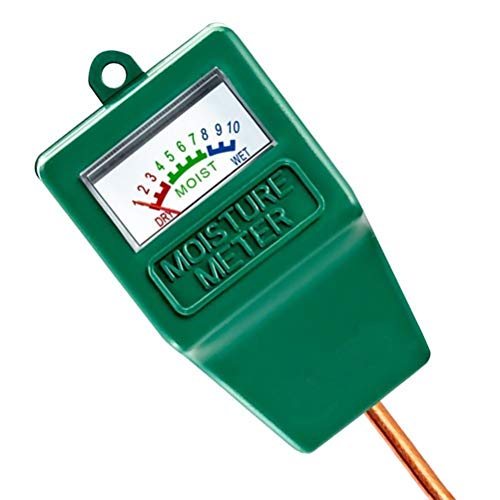
Soil Moisture Meter: This single probe soil moisture meter is specially designed for testing the moisture level in the soil, helps you decide whether the plants need water or not, helps to keep plants alive.
Mango Tree Watering Techniques for New England
Mango trees thrive in warm climates, making their cultivation in New Hampshire a unique challenge. Proper watering techniques are essential for their growth and health in cooler temperatures. This section outlines effective strategies to ensure your potted mango tree receives the right amount of moisture throughout the seasons.
Water the tree when the top inch of soil feels dry.
Ensure water drains out of the pot’s holes.
Reduce watering frequency during winter months.
Balanced Fertilizer for Mango Trees
When cultivating mango trees in pots, especially in New Hampshire’s unique climate, selecting the right fertilizer is crucial for healthy growth. A balanced fertilizer provides essential nutrients that support root development and fruit production, ensuring your mango tree thrives despite the challenges of potting in a northern environment. Understanding the specific nutrient needs will help optimize your tree’s health and productivity.
Regular fertilization supports the growth of mango trees. Use a balanced fertilizer formulated for fruit trees. This ensures your tree receives the necessary nutrients for healthy foliage and fruit production.
Pot Fertilization Timing for Mango Trees
Understanding the right timing for pot fertilization is crucial for the health and productivity of mango trees grown in pots, especially in New Hampshire’s unique climate. Proper fertilization ensures that these tropical trees receive the nutrients they need to thrive, even when confined to containers. This section will explore optimal fertilization schedules tailored for mango trees in New England.
Apply fertilizer every 4-6 weeks during the growing season.
Reduce fertilization in fall and winter.
Follow the manufacturer’s instructions for application rates.
Cold Weather Protection for Potted Mango Trees
Potted mango trees can thrive in New Hampshire, but they require special attention during the colder months. Protecting these tropical plants from harsh winter conditions is essential for their survival and growth. Understanding effective strategies for cold weather protection will help ensure your mango trees remain healthy and vibrant throughout the winter season.
New Hampshire winters can be harsh for mango trees. Protection from cold temperatures is essential to prevent damage. Consider moving the pot indoors or using protective coverings during extreme weather.
Recommended Products

PACKAGE: The package includes 4Pcs plant covers,will meet your daily use or replacement. Measuring 31.5" x 47.3", the plant protector is waterproof, windproof.

The Large plant cover is perfect for Plant size 55''-70"high and 84''-94" round, Heavy-weight FRCs (1.77oz./sq. yard): usually used to extend the growing season in spring and fall, allow 40%-60% light transmittance, and recommend 3°-8°F of freeze protection

The small plant cover is perfect for Plant size 16''-23"high and 36''-46" round, Heavy-weight FRCs (1.77oz./sq. yard): usually used to extend the growing season in spring and fall, allow 40%-60% light transmittance, and recommend 3°-8°F of freeze protection
Indoor Winter Care for Potted Mango Trees
Caring for potted mango trees during New Hampshire’s harsh winters requires special attention to their indoor environment. As temperatures drop, understanding the specific needs of these tropical plants becomes crucial for their survival and growth. This section will provide essential tips for maintaining healthy indoor conditions for your mango trees throughout the cold months.
Bring the pot indoors when temperatures drop below 50°F.
Use frost cloths or blankets for outdoor protection.
Insulate the pot with bubble wrap or burlap.
Mango Tree Pests and Disease Solutions
Mango trees, while beautiful and fruitful, can face various pests and diseases, especially when grown in pots in New Hampshire’s unique climate. Understanding these challenges is crucial for maintaining healthy plants. This section provides effective solutions to common issues, ensuring your mango trees thrive despite environmental stresses.
Mango trees in pots may face several challenges, including pests and diseases. Regular monitoring can help identify problems early. Here are some common issues to watch for:
| Issue | Symptoms | Solution |
|---|---|---|
| Leaf curl | Distorted leaves | Inspect for pests and treat accordingly |
| Yellowing leaves | Nutrient deficiency | Adjust fertilization and check soil pH |
| Root rot | Wilting despite watering | Improve drainage and reduce watering frequency |
Recommended Products
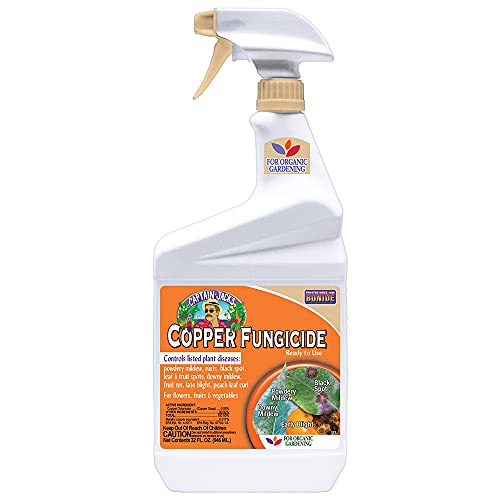
Control fungus and disease in your garden with Captain Jack’s ready-to-use Liquid Copper Fungicide!

KILLS LISTED FRUIT & CITRUS TREE INSECTS: Controls Asian Citrus Psyllid, Whiteflies, Aphids Thrips, Citrus Leafminers, Leafhoppers, Blackfly, Mealybugs, Scales, Avocado Lacebugs, Oriental Beetles, Flea Beetles, Sharpshooters, and Spittlebugs

Control diseases and insects in your garden with Captain Jack’s Fruit Tree Spray Concentrate! Use on a variety of listed fruits, nuts and citrus plants.
Successful Potting Strategies for Mango Trees
Successfully potting mango trees in New Hampshire requires careful consideration of the unique climate and growing conditions in New England. By employing specific strategies tailored to the region, you can create an optimal environment for these tropical trees, ensuring they thrive despite the challenges posed by cooler temperatures and seasonal changes.
Mango trees can thrive in pots in New Hampshire with careful attention to pot selection, soil quality, and environmental conditions. Regular monitoring and adjustments will lead to a successful growing experience.
